Efficient line balancing is the cornerstone of modern poultry processing operations. When poultry slaughtering equipment is properly balanced across workstations, facilities can maximize throughput while minimizing labor strain and product damage. Poor line balance creates bottlenecks that slow production, increase operational costs, and reduce profitability. Understanding how to optimize poultry slaughtering equipment line balancing is essential for processors seeking competitive advantage in today's demanding market.
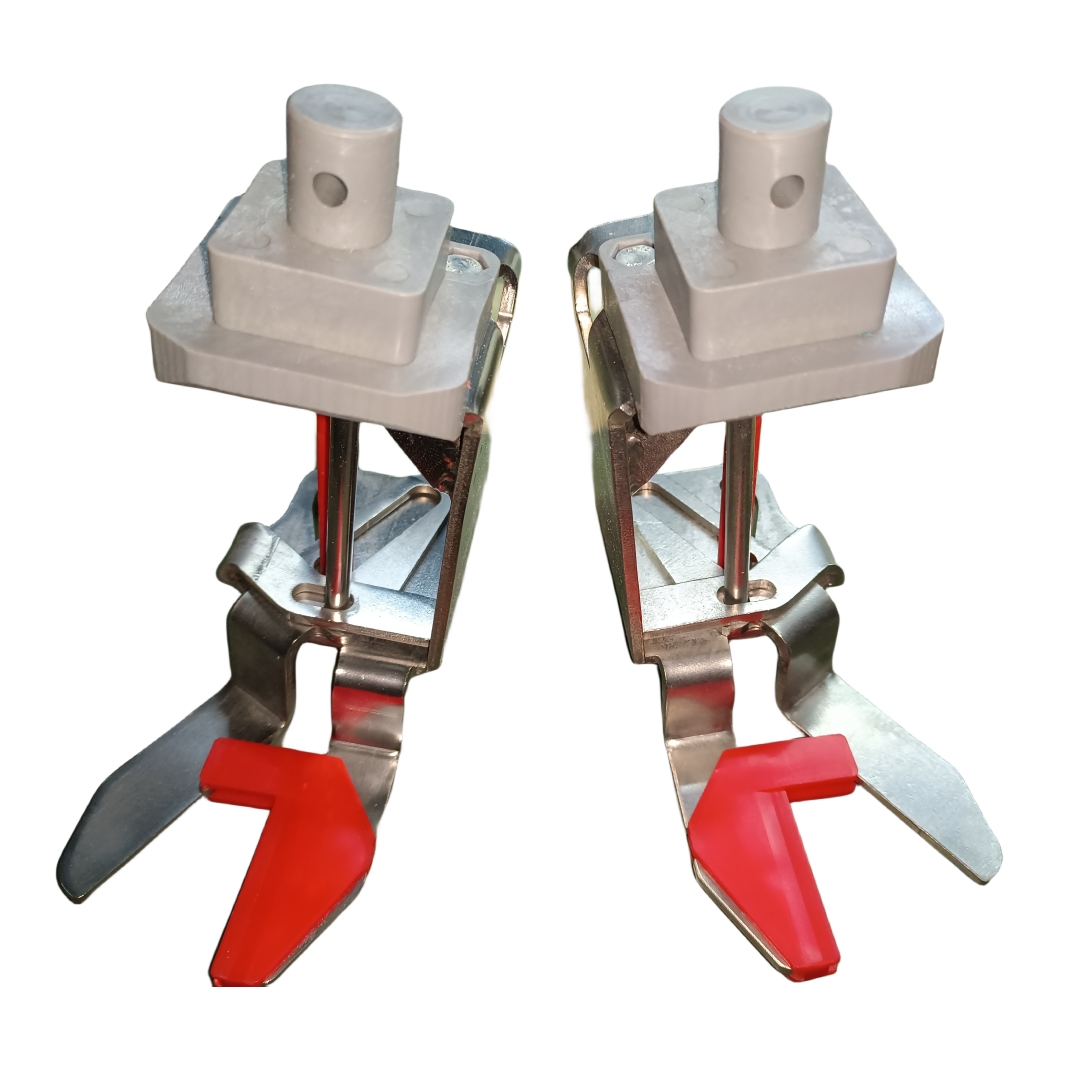
Poultry slaughtering equipment line balancing involves distributing work tasks and machine capacity evenly across the processing line to match product flow speed. When workload distribution is uneven, either workers or poultry slaughtering equipment sit idle waiting for upstream stations to complete their tasks, or downstream stations become overwhelmed. Achieving proper balance requires analyzing cycle times, identifying constraint operations, and strategically allocating tasks to ensure steady-state production flow for all poultry slaughtering equipment.
Every poultry slaughtering equipment station operates at a specific cycle time—the duration required to complete one processing step. The slowest poultry slaughtering equipment station on the line becomes the bottleneck that determines overall line speed. If your bleeding station requires 15 seconds per bird while your plucking poultry slaughtering equipment completes the same volume in 12 seconds, the plucking poultry slaughtering equipment operates at reduced utilization. Accurate cycle time measurement forms the foundation of all poultry slaughtering equipment line balancing decisions and requires careful observation during normal operations.
Constraint operations are the stations where poultry slaughtering equipment limits overall production speed. These become obvious when poultry slaughtering equipment upstream sits idle or product accumulates. Common constraints in poultry slaughtering include evisceration, inspection, and chilling stages. Once you identify which poultry slaughtering equipment creates the constraint, you can focus improvement efforts strategically. Reducing cycle time on non-constraint poultry slaughtering equipment provides minimal benefit, so prioritizing constraint operations delivers maximum return on optimization investments.
Effective task allocation distributes complex operations into logical groupings that match intended poultry slaughtering equipment line speed. Some poultry slaughtering equipment operations naturally sequence together, while others can be split across multiple stations. For example, initial plucking can occur on dedicated poultry slaughtering equipment before the bird reaches manual inspection stations. When designing workstations, assign tasks to balance labor requirements while respecting the physical constraints of your poultry slaughtering equipment. Workers performing identical or similar tasks develop skill and rhythm, reducing cycle time variation and defects.
Strategic buffer capacity allows poultry slaughtering equipment to operate with minimal synchronization while preventing line stoppage. Without buffers, a single poultry slaughtering equipment failure or worker absence downstream stops the entire line immediately. Poultry slaughtering equipment like overhead conveyors and accumulation tables provide temporary storage that decouples station timing. Properly sized buffers prevent expensive downtime while allowing maintenance and minor adjustments on poultry slaughtering equipment without halting production, making them essential to sustainable line balancing.
When implementing line balance improvements, pilot changes on limited product volumes before full rollout. Test whether reassigning tasks between poultry slaughtering equipment stations actually achieves expected cycle time reductions. Monitor worker fatigue, product quality, and safety during pilots to identify unintended consequences. Real-world testing often reveals constraints that desktop analysis misses, allowing you to refine task assignments before committing resources to permanent poultry slaughtering equipment modifications or worker retraining.
Line balance is not static—seasonal product variations, poultry slaughtering equipment aging, and workforce changes shift optimal configurations. Implement simple tracking systems that monitor cycle time at key poultry slaughtering equipment stations weekly. When cycle times creep upward or variation increases significantly, investigate root causes promptly. Does poultry slaughtering equipment need maintenance? Are workers returning from vacation performing below expectation? Regular monitoring allows quick adjustments before imbalance compounds into major production losses or safety incidents.
Workers operating poultry slaughtering equipment daily observe inefficiencies and improvement opportunities invisible to management. Create structured channels for operators to suggest poultry slaughtering equipment line balance enhancements and reward implemented ideas. Workers who feel heard and valued contribute more carefully to product quality and safety. When operators understand how their tasks integrate with overall poultry slaughtering equipment line balance, they self-regulate pace and flag developing problems. This collaborative approach to poultry slaughtering equipment optimization typically yields faster improvements than top-down restructuring alone.
The primary goal is ensuring smooth, continuous production flow where no poultry slaughtering equipment station sits idle waiting for upstream work and no product accumulates excessively between stations. Proper poultry slaughtering equipment line balancing maximizes throughput per hour while minimizing labor strain, product damage, and operational cost per unit produced.
Reassess poultry slaughtering equipment line balance quarterly and whenever significant changes occur—new poultry slaughtering equipment installation, workforce turnover, product specification changes, or production volume shifts. Regular monitoring allows early detection of imbalance before efficiency suffers substantially.
Yes. When poultry slaughtering equipment line balance reduces worker fatigue and stress, employees maintain better sanitation practices and follow procedures more consistently. Balanced lines also reduce product handling time and temperature abuse, supporting critical control point effectiveness throughout the poultry slaughtering processing chain.
 Hot News
2026-09-28
2026-09-21
2026-09-14
2026-09-08
2026-09-01
2026-08-12

Hebei Zunyan Technology provides high-quality poultry processing spare parts for global meat processors. Our stainless steel & plastic eviscerating shackles, chains, and custom CNC components ensure durability, precision, and fast dispatch. 30+ production lines, ISO-aligned quality, 48h shipping. Request quote today.
1901, Unit C19, Tongrui Business Building, Changjiang Sub-district, Yuhua District, Shijiazhuang City, Hebei Province, China
Copyright © 2026 Hebei Zunyan Technology Co., Ltd. All Rights Reserved Privacy Policy
 EN
EN