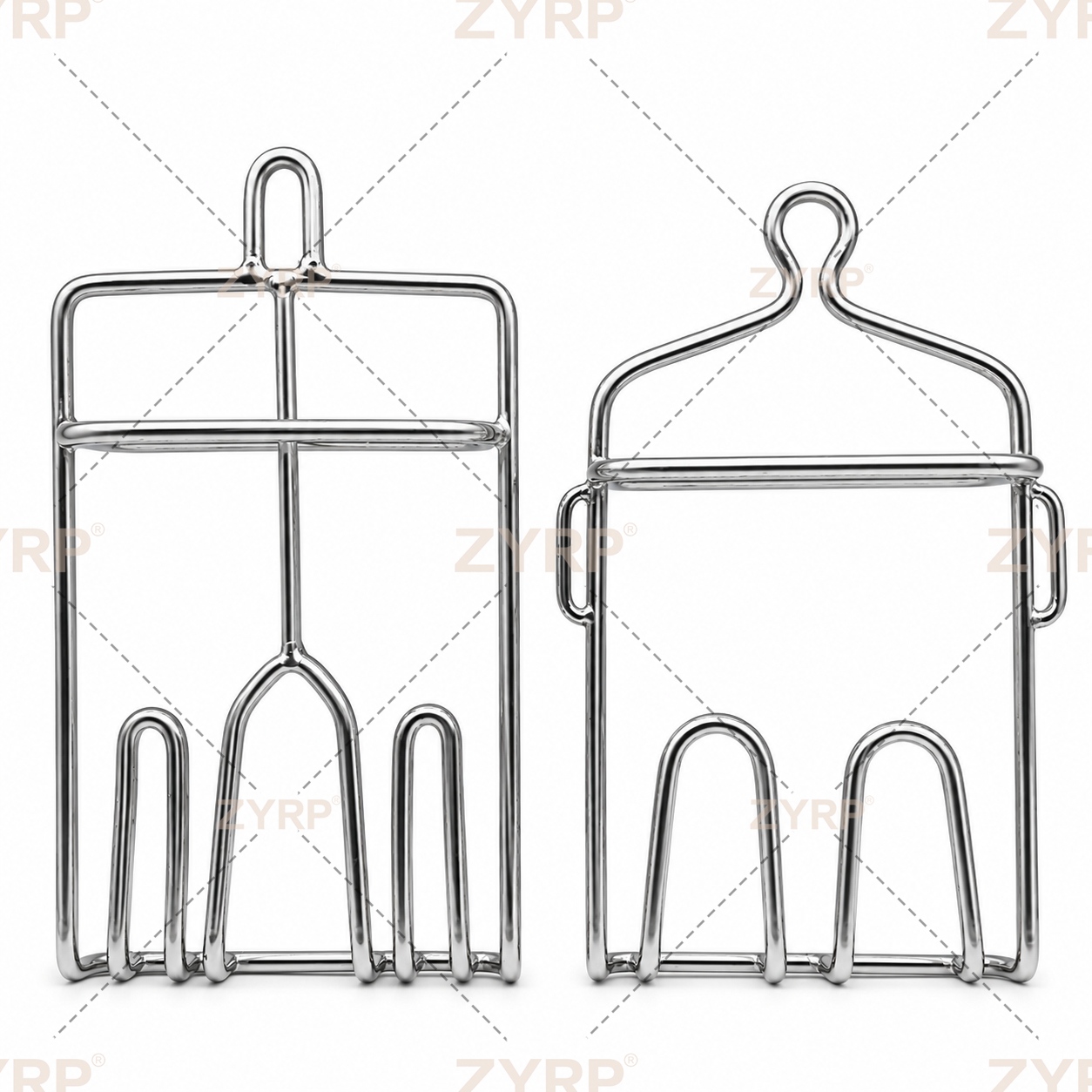
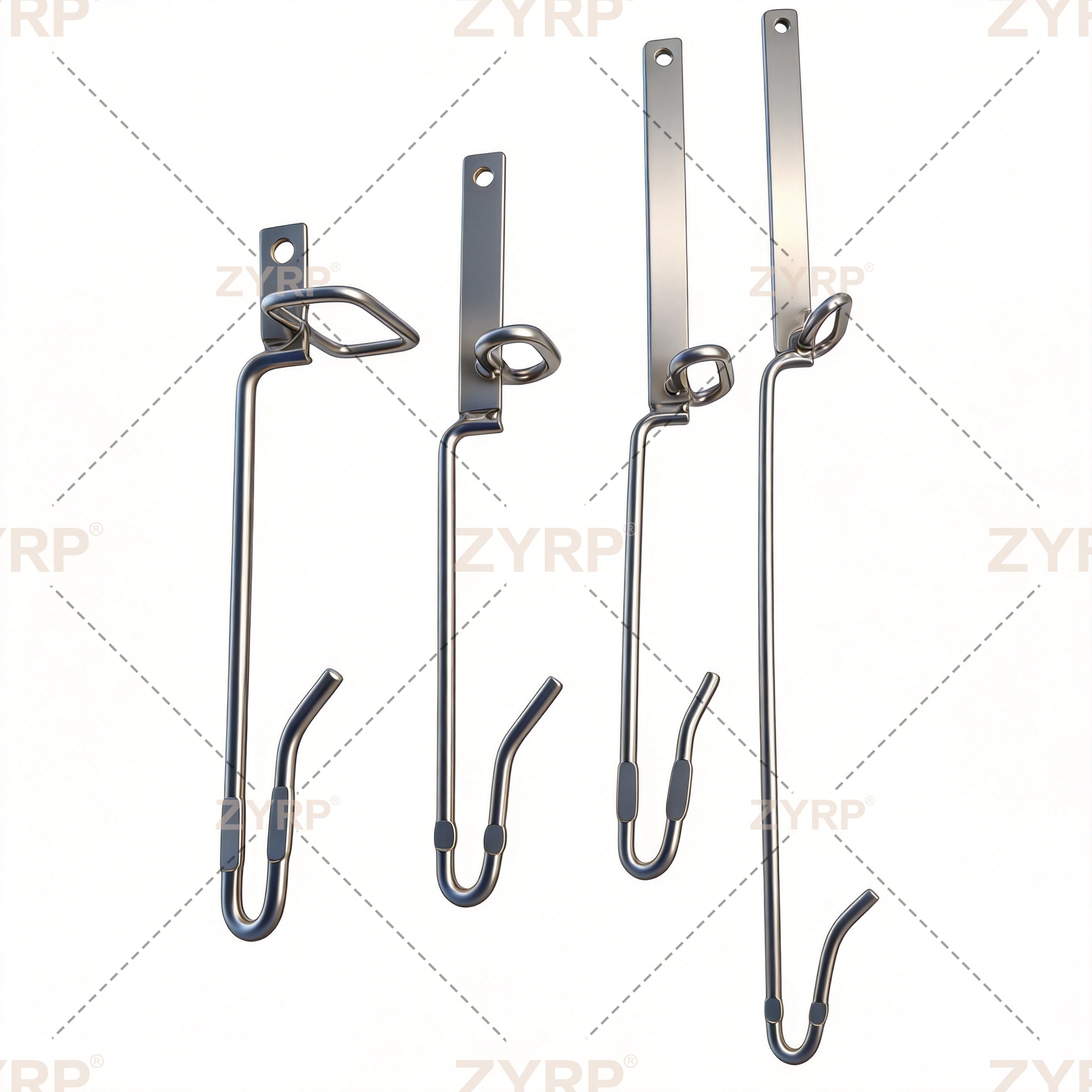
The choice between circular and straight poultry processing blades fundamentally impacts production speed, product quality, and operator safety in commercial poultry facilities. Both blade types serve essential roles in breaking down birds into marketable cuts, but their design differences create distinct operational advantages and limitations that processors must understand to optimize their workflows.
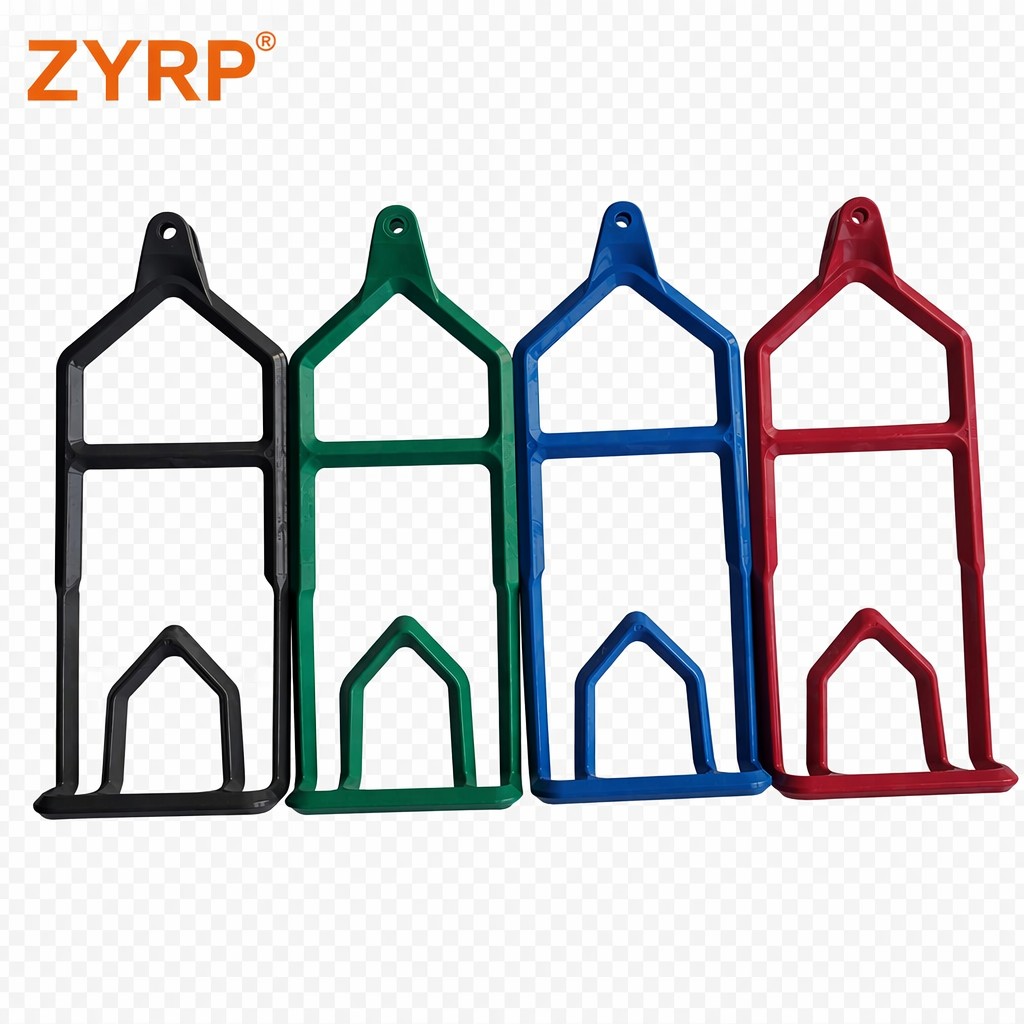
Selecting the right blade design requires balancing performance factors, maintenance needs, and facility capabilities. Understanding how these poultry processing blades differ in cutting mechanics, durability, and application suitability helps processors make informed equipment decisions that directly affect profitability and product consistency.
Circular poultry processing blades rotate continuously around a central axis, creating a round cutting surface that moves in a circular path. This rotating design enables smooth, consistent cuts through joints and bone structures with minimal resistance. The circular motion distributes cutting force evenly across the blade edge, reducing pressure points and extending blade life between sharpening intervals.
The continuous rotation of circular poultry processing blades creates a sweeping motion that naturally guides product through the cutting zone. Operators feed birds or cut sections into the blade path, and the rotation pulls material into engagement with the cutting edge. This self-feeding characteristic reduces operator fatigue and increases throughput during extended processing runs.
Straight poultry processing blades operate with a reciprocating or oscillating motion, moving back and forth along a fixed linear path. Each forward stroke creates a cutting action, while the return stroke repositions the blade for the next cut. This back-and-forth motion requires operators to precisely time and position each cut manually, demanding greater operator skill and attention.
The stationary cutting path of straight poultry processing blades allows for more controlled, targeted cuts in specific anatomical locations. Operators can make deliberate decisions about cut placement and angle, enabling precise section removal and maximum yield per bird. The linear motion also provides instant stopping capability, allowing operators to halt cutting immediately when needed.
Circular poultry processing blades generally deliver higher throughput in high-volume processing environments where consistent, rapid cutting is essential. The continuous rotating motion enables operators to process birds in steady rhythms, with minimal downtime between cuts. Facilities processing hundreds of birds hourly typically benefit from the speed advantage that circular poultry processing blades provide.
Straight poultry processing blades excel in lower-volume or specialized processing scenarios where precision and flexibility matter more than pure speed. Custom butchering services, specialty portion control, and premium product processing often favor straight blades. Operators can adjust cutting techniques in real time, responding to bone density variations and product specifications that automatic circular systems cannot easily accommodate.
Circular poultry processing blades reduce operator skill requirements because the rotating motion handles much of the cutting work automatically. New employees can quickly learn safe blade feeding techniques and achieve acceptable productivity within days of training. This lower skill threshold makes circular systems ideal for facilities with high employee turnover or limited training resources.
Straight poultry processing blades require experienced operators who understand poultry anatomy, bone structures, and optimal cutting angles. Skilled operators can maximize yield and product consistency, but training timelines extend significantly compared to circular blade operations. Facilities must invest in longer apprenticeship periods and continuous skill development to maintain quality standards with straight blades.
Circular poultry processing blades withstand extended operating periods with proper maintenance because their distributed cutting force prevents excessive stress concentration. Regular sharpening maintains performance, and blade life typically extends across many processing shifts. Scheduled maintenance windows become predictable and manageable, reducing unexpected downtime in busy facilities.
Straight poultry processing blades experience more concentrated stress at specific cutting points, potentially requiring more frequent sharpening and blade replacement. Operators applying varying pressure through manual cutting can inadvertently accelerate wear in localized areas. However, individual straight blades typically cost less to replace than circular blade assemblies, offsetting some maintenance expense differences.
Circular poultry processing blades require robust safety guards because the continuous rotation presents constant cutting hazard risks. Modern circular blade systems include automatic guards and interlocked safety switches that prevent hand contact during operation. These systems significantly reduce accidental injury rates, though proper training and consistent safety compliance remain essential for worker protection.
Straight poultry processing blades allow for more immediate operator control and stopping capability, creating perceived lower injury risk in manual operations. However, the repetitive manual motions required for straight blade work increase risks of cumulative strain injuries and repetitive stress conditions. Operators must maintain consistent focus and attention throughout processing shifts to avoid fatigue-related accidents.
Circular poultry processing blades represent higher initial equipment investment because the rotary systems, motors, and safety components cost significantly more than hand tool alternatives. However, the speed advantage and reduced labor intensity deliver faster return on investment in high-volume facilities. Facilities processing thousands of birds weekly quickly realize cost advantages through improved throughput and consistent product quality.
Straight poultry processing blades offer lower capital entry costs, making them accessible for smaller operations or specialized processors with limited budgets. The reduced equipment complexity means fewer maintenance specialists and lower technical support requirements. Smaller facilities can operate profitably with straight blade investments that would be impossible with expensive circular blade systems.
Circular poultry processing blades typically perform better in high-volume settings because their continuous rotation enables rapid, consistent processing of hundreds of birds hourly. The self-feeding action reduces operator fatigue and increases throughput, making circular systems ideal for facilities prioritizing speed and volume. Straight blades work well for lower volumes or specialty processing where precision and flexibility take priority over pure speed.
Circular poultry processing blades require comprehensive mechanical safety guards and interlocked systems to prevent accidental contact during rotation. Straight poultry processing blades offer immediate stopping capability and operator control but increase cumulative strain injury risks through repetitive manual motion. Both systems require proper training, consistent maintenance, and operator vigilance to maintain workplace safety standards.
Circular poultry processing blades involve higher initial maintenance investment but typically extend predictable maintenance intervals through distributed cutting force design. Straight poultry processing blades experience more localized wear and may require more frequent sharpening, though individual blade replacement costs less. Long-term maintenance expenses depend on facility volume, operator technique, and maintenance protocols implemented at your facility.
 Hot News
2026-09-28
2026-09-21
2026-09-14
2026-09-08
2026-09-01
2026-08-12

Hebei Zunyan Technology provides high-quality poultry processing spare parts for global meat processors. Our stainless steel & plastic eviscerating shackles, chains, and custom CNC components ensure durability, precision, and fast dispatch. 30+ production lines, ISO-aligned quality, 48h shipping. Request quote today.
1901, Unit C19, Tongrui Business Building, Changjiang Sub-district, Yuhua District, Shijiazhuang City, Hebei Province, China
Copyright © 2026 Hebei Zunyan Technology Co., Ltd. All Rights Reserved Privacy Policy
 EN