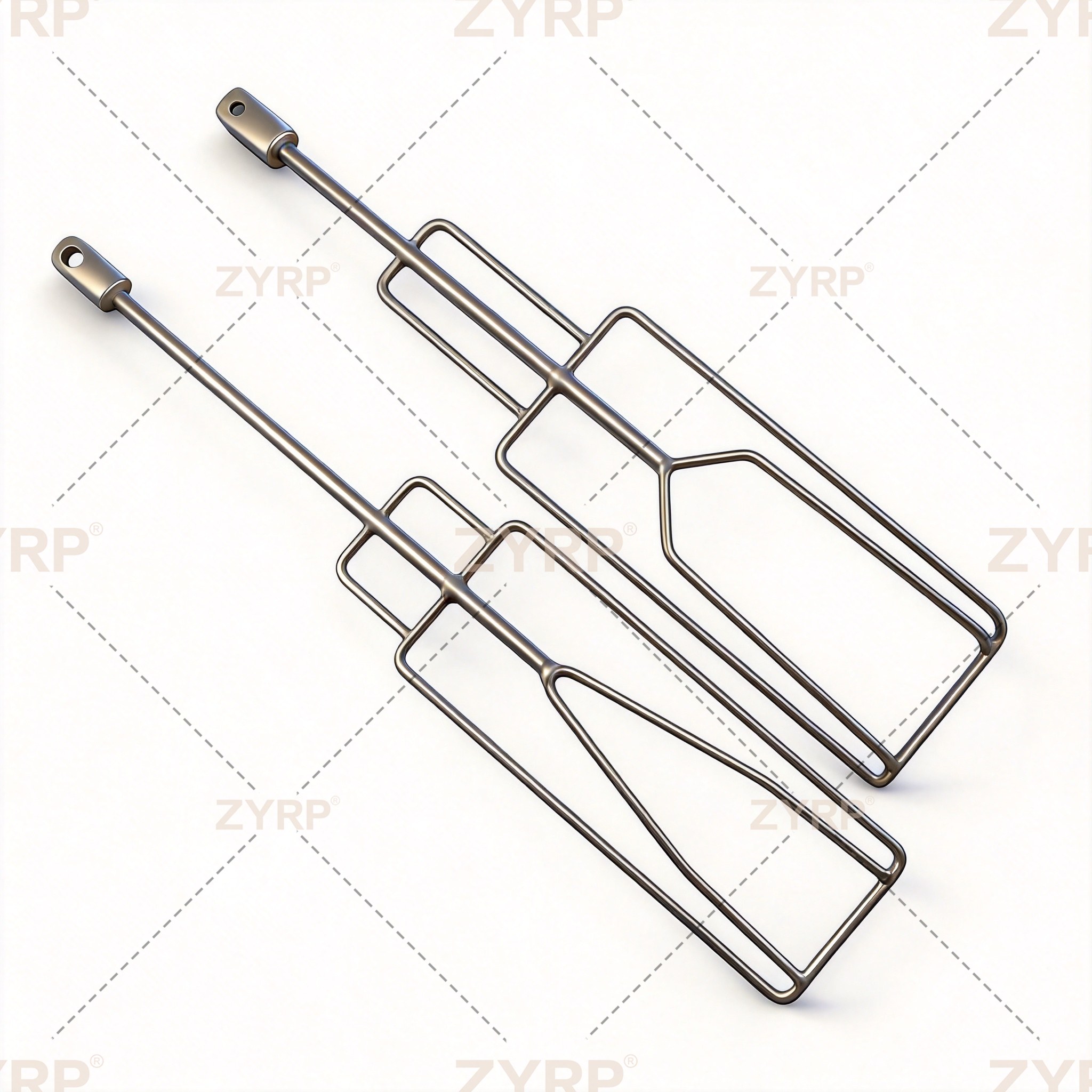
Poultry processing blades are critical equipment components in modern slaughtering facilities, directly impacting both product quality and worker safety. The specifications governing these blades extend far beyond simple sharpness; they encompass material composition, surface finish, sanitation standards, and dimensional precision. Understanding and implementing proper food safety specifications for poultry processing blades is essential for facilities seeking to maintain regulatory compliance, prevent contamination, and optimize processing efficiency.
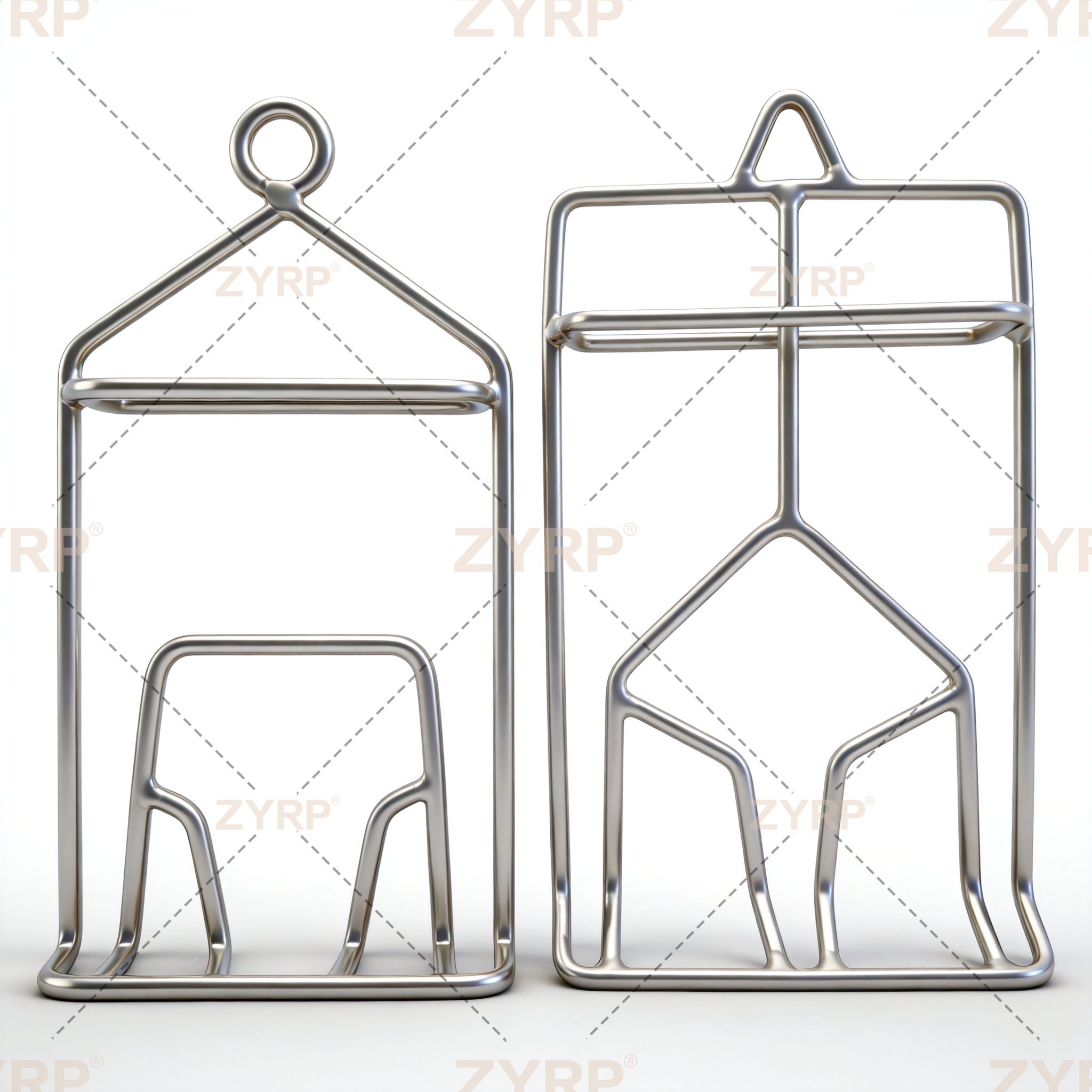
Regulatory bodies worldwide, including the USDA and FDA, establish stringent requirements for poultry processing blades to ensure food safety. These specifications dictate everything from material standards to maintenance protocols. Facilities that prioritize blade food safety specifications demonstrate commitment to producing safe poultry products while meeting industry benchmarks and customer expectations.
Poultry processing blades must be manufactured from high-grade stainless steel, typically 304 or 316L variants, to prevent rust, corrosion, and contamination. These materials resist acidic and alkaline cleaning solutions commonly used in sanitation protocols. The choice of stainless steel grade directly affects blade longevity and food safety compliance. Grade 316L stainless steel offers superior corrosion resistance in high-moisture environments typical of poultry processing facilities.
Food safety specifications require poultry processing blades to maintain a smooth, polished surface that prevents bacterial attachment and biofilm formation. Surface roughness measurements must not exceed specific microinch standards to ensure effective sanitation. A properly finished blade surface allows cleaning solutions and steam to eliminate pathogenic microorganisms more effectively. Mirror finishes are preferred in high-contact food areas because they eliminate microscopic crevices where pathogens could harbor.
Poultry processing blades must maintain precise edge sharpness to ensure clean cuts that do not crush tissue or contaminate product. Food safety specifications establish minimum thickness requirements to prevent blade fracture during operation. Fractured blade fragments pose serious contamination risks and pose physical hazards. Regular dimensional verification ensures blades remain within acceptable tolerances throughout their operational life. Thickness standards typically range between 2.5 and 4 millimeters depending on blade function and processing stage.
Effective poultry processing blades feature geometries designed to minimize product damage and contamination risk. The blade profile must allow for easy cleaning and prevent accumulation of tissue residue in corners or recesses. Food safety specifications often require rounded transitions rather than sharp corners to facilitate sanitation. Proper blade design ensures uniform cutting action across all poultry products, reducing inconsistencies that might compromise food safety.
Poultry processing blades demand rigorous daily cleaning and regular sterilization to eliminate cross-contamination risks. Food safety specifications mandate washing with hot water and approved sanitizers at prescribed intervals. Many facilities employ both manual cleaning and automated blade sanitation systems to achieve consistent results. Sterilization frequency depends on processing volume, environmental conditions, and specific food safety regulations governing the facility.
Food safety specifications establish replacement timelines for poultry processing blades based on wear, damage accumulation, and microbiological testing results. Facilities must maintain detailed logs documenting blade usage, cleaning cycles, and replacement events. Visual inspection protocols identify dulling, chipping, or corrosion requiring immediate blade retirement. Preventive replacement often proves more cost-effective than reactive emergency changes that disrupt production schedules and risk contamination events.
Poultry processing blades must comply with USDA and FDA food safety regulations, including HACCP and FSMA guidelines. These regulatory frameworks establish mandatory specifications for blade materials, sanitation practices, and traceability documentation. Compliance verification includes regular audits, material certifications, and process validation. Facilities operating under these standards demonstrate commitment to producing safe poultry products meeting national food safety standards.
Beyond minimum regulatory requirements, industry best practices for poultry processing blades include microbiological testing of blade surfaces and validation of cleaning effectiveness. Third-party certification programs verify that blade specifications meet established food safety standards. Performance monitoring through ATP testing and swab cultures confirms that sanitation protocols effectively eliminate pathogens. Adopting these voluntary standards strengthens food safety programs and builds customer confidence in product quality.
Poultry processing blades must be constructed from food-grade stainless steel, typically 304 or 316L varieties, to resist corrosion and prevent contamination. These materials withstand aggressive cleaning solutions and high-temperature sanitation without degrading. Material certifications documenting composition and properties are essential compliance documentation for regulatory agencies.
Replacement schedules depend on processing volume, blade wear patterns, and facility-specific food safety protocols. Most facilities replace blades every 4-8 weeks during standard production cycles, with additional replacement triggered by visible damage, dulling, or microbiological test failures. Preventive replacement maintains food safety standards and optimizes cutting performance.
Poultry processing blades undergo daily cleaning with hot water and approved food-safe sanitizers, followed by steam or thermal sterilization. Many facilities employ both manual washing and automated blade sanitation systems to ensure thorough decontamination. Cleaning procedures must target all blade surfaces and edges to eliminate pathogenic microorganisms effectively.
 Hot News
2026-09-28
2026-09-21
2026-09-14
2026-09-08
2026-09-01
2026-08-12

Hebei Zunyan Technology provides high-quality poultry processing spare parts for global meat processors. Our stainless steel & plastic eviscerating shackles, chains, and custom CNC components ensure durability, precision, and fast dispatch. 30+ production lines, ISO-aligned quality, 48h shipping. Request quote today.
1901, Unit C19, Tongrui Business Building, Changjiang Sub-district, Yuhua District, Shijiazhuang City, Hebei Province, China
Copyright © 2026 Hebei Zunyan Technology Co., Ltd. All Rights Reserved Privacy Policy
 EN