Maintaining strict sanitation compliance is a fundamental requirement in food processing, pharmaceutical manufacturing, and industrial operations where product safety directly impacts public health and regulatory standing. Deploying an industrial stainless steel trolley has become the gold standard for meeting these rigorous criteria because its unique material structure, hygienic engineering, and ease of maintenance align seamlessly with modern sanitary standards. Understanding how a stainless steel trolley maintains consistent cleanliness helps plant managers, quality assurance specialists, and procurement directors optimize material handling processes while minimizing contamination risks.
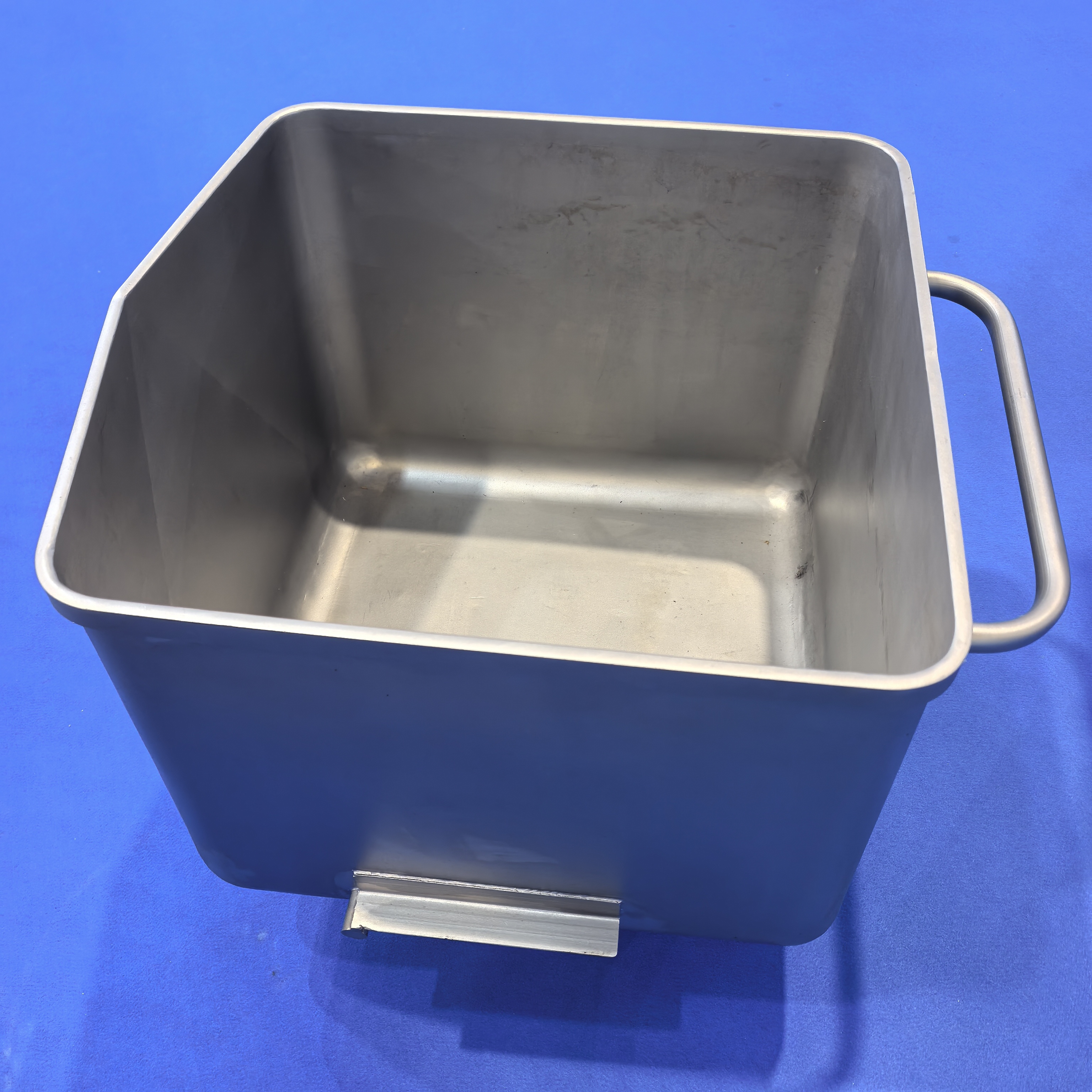
The structural framework of a stainless steel trolley combines material durability, design accessibility, and long-term operational reliability to support comprehensive hygiene protocols. Facilities that incorporate an HACCP compliant trolley benefit from lowered cross-contamination threats, simplified washdown routines, and verifiable adherence to regulatory guidelines including FDA and USDA standards.
Stainless steel exhibits inherent corrosion resistance that prevents rust formation, which is a major contamination vector in moist processing environments. A high-grade stainless steel trolley resists oxidation even under constant exposure to moisture, harsh cleaning agents, and acidic food residues, eliminating surface flaking or metal scaling that could compromise batch safety. The protective chromium oxide passive layer on stainless surfaces creates a self-repairing barrier against environmental degradation, making a stainless steel trolley far safer than painted carbon steel or wooden alternatives.
The non-porous nature of a stainless steel trolley prevents bacterial biofilm accumulation, which is a primary focus during regulatory audits. Unlike porous polymers or timber that harbor micro-organisms within microscopic crevices, a smooth FDA food equipment surface offers an impermeable boundary where pathogens cannot establish colonies. This characteristic is critical for hazard analysis protocols where contact surfaces undergo routine ATP bioluminescence swab testing.
Advanced stainless steel trolley models focus on seamless welds, radiused corners, and gap elimination to destroy harborage sites for bacterial growth or allergen buildup. Choosing an HACCP compliant trolley constructed with continuous butt welds rather than bolted joints eliminates hard-to-clean hardware gaps where organic residue collects. Sloped surfaces and rounded internal corners on a stainless steel trolley facilitate natural fluid drainage, preventing liquid pooling during active processing cycles.
To simplify deep-cleaning routines, a modular stainless steel trolley features detachable shelving, removable dividers, and quick-release access panels. Designing an HACCP compliant trolley with tool-free disassembly allows washdown teams to sanitize components rapidly, ensuring complete access to structural support frames. This modular approach ensures both routine daily cleaning and deep maintenance audits satisfy strict industry regulations.
An industrial stainless steel trolley withstands aggressive sanitation routines involving high-pressure washdowns, hot water rinses, alkaline degreasers, and acidic sanitizers without surface degradation. The chemical stability of a stainless steel trolley allows cleaning crews to use potent disinfectants without corroding hardware or compromising structural integrity. This versatility makes an NSF certified trolley ideal for integration into automated wash tunnels, clean-in-place systems, or manual scrub bays.
Modern stainless steel trolley designs incorporate laser-etched barcodes, serial plates, and RFID tag mounts to support digital record-keeping. Utilizing an NSF certified trolley with integrated identification numbers allows plant managers to log wash cycles, record preventive maintenance, and trace equipment movements through high-risk processing zones, building clear audit trails for FDA and USDA inspections.
Hazard Analysis Critical Control Point frameworks explicitly specify non-reactive metals for material handling equipment in direct food contact zones. A stainless steel trolley fulfills core requirements because its material composition stops chemical leaching, supports rapid sanitation, and endures heavy daily usage. Furthermore, FDA Food Safety Modernization Act rules highlight proper material selection as a primary preventive measure against biological hazards.
Choosing an NSF certified trolley or equipment built to 3-A Sanitary Standards confirms that the frame design, welding techniques, and material selection have been independently audited. These third-party certifications confirm that the stainless steel trolley meets or exceeds commercial hygiene metrics. Investing in verified FDA food equipment gives facility operators documented proof of sanitation compliance, reducing audit risks and liability exposure.
Achieving consistent sanitation compliance requires establishing standard cleaning intervals based on contact hours, product risk levels, and environmental conditions. While a stainless steel trolley enables rapid cleaning cycles, validation swabs must verify that sanitation teams achieve target microbial reductions after every washdown shift.
Unlocking the full value of a stainless steel trolley requires ongoing staff education on proper sanitation procedures. Training programs should emphasize that an NSF certified trolley requires non-abrasive tools to avoid scratching protective passive layers. Periodic passivation treatments every 12 to 24 months help restore surface integrity, keeping your HACCP compliant trolley audit-ready throughout its operational lifecycle.
A stainless steel trolley naturally resists corrosion, prevents bacterial biofilms on its non-porous surfaces, and tolerates aggressive sanitizing chemicals without degrading. These properties satisfy FDA, USDA, and HACCP standards for maintaining hygienic food contact environments.
An NSF certified trolley features smooth welds that eliminate bacterial harborage points, removable parts for easy inspection, and etched serial tags for tracking cleaning logs. These design details provide clear evidence of structural hygiene during regulatory audits.
Routine maintenance requires post-shift cleaning, scheduled deep washdowns, and periodic inspections of the protective oxide layer. Re-passivating the surface every 12 to 24 months restores the protective finish, keeping the stainless steel trolley fully compliant with FDA food equipment guidelines.
 Hot News
2026-09-28
2026-09-21
2026-09-14
2026-09-08
2026-09-01
2026-08-12

Hebei Zunyan Technology provides high-quality poultry processing spare parts for global meat processors. Our stainless steel & plastic eviscerating shackles, chains, and custom CNC components ensure durability, precision, and fast dispatch. 30+ production lines, ISO-aligned quality, 48h shipping. Request quote today.
1901, Unit C19, Tongrui Business Building, Changjiang Sub-district, Yuhua District, Shijiazhuang City, Hebei Province, China
Copyright © 2026 Hebei Zunyan Technology Co., Ltd. All Rights Reserved Privacy Policy
 EN
EN