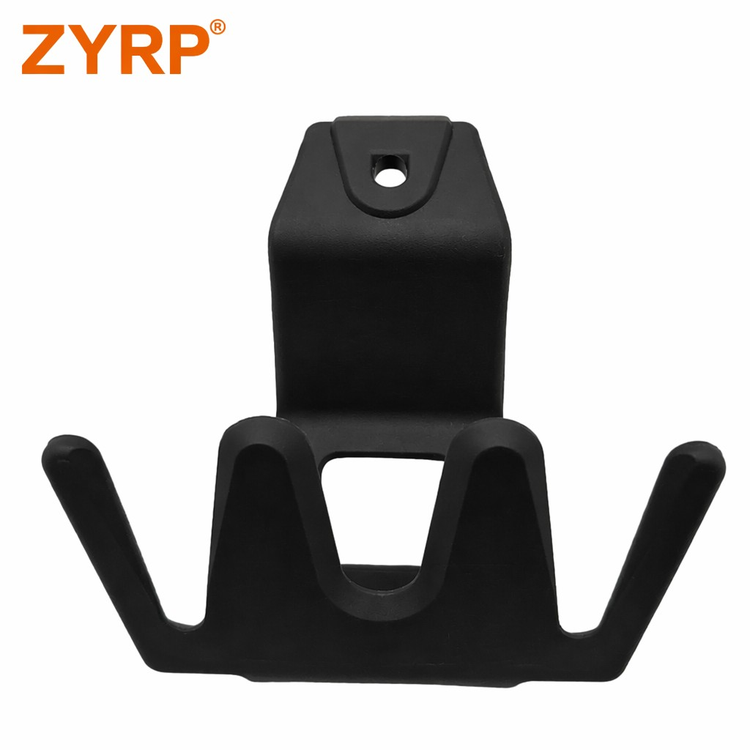
Installing poultry processing blades correctly is essential for maintaining efficiency, product quality, and worker safety in modern poultry facilities. Improper installation leads to uneven cutting, increased downtime, contamination risks, and potential equipment damage. This comprehensive guide walks you through the entire installation process, covering preparation, alignment, securing mechanisms, and critical quality checks. Whether you are upgrading existing equipment or commissioning a new line, understanding proper blade installation procedures ensures your operation runs smoothly and meets industry hygiene standards.
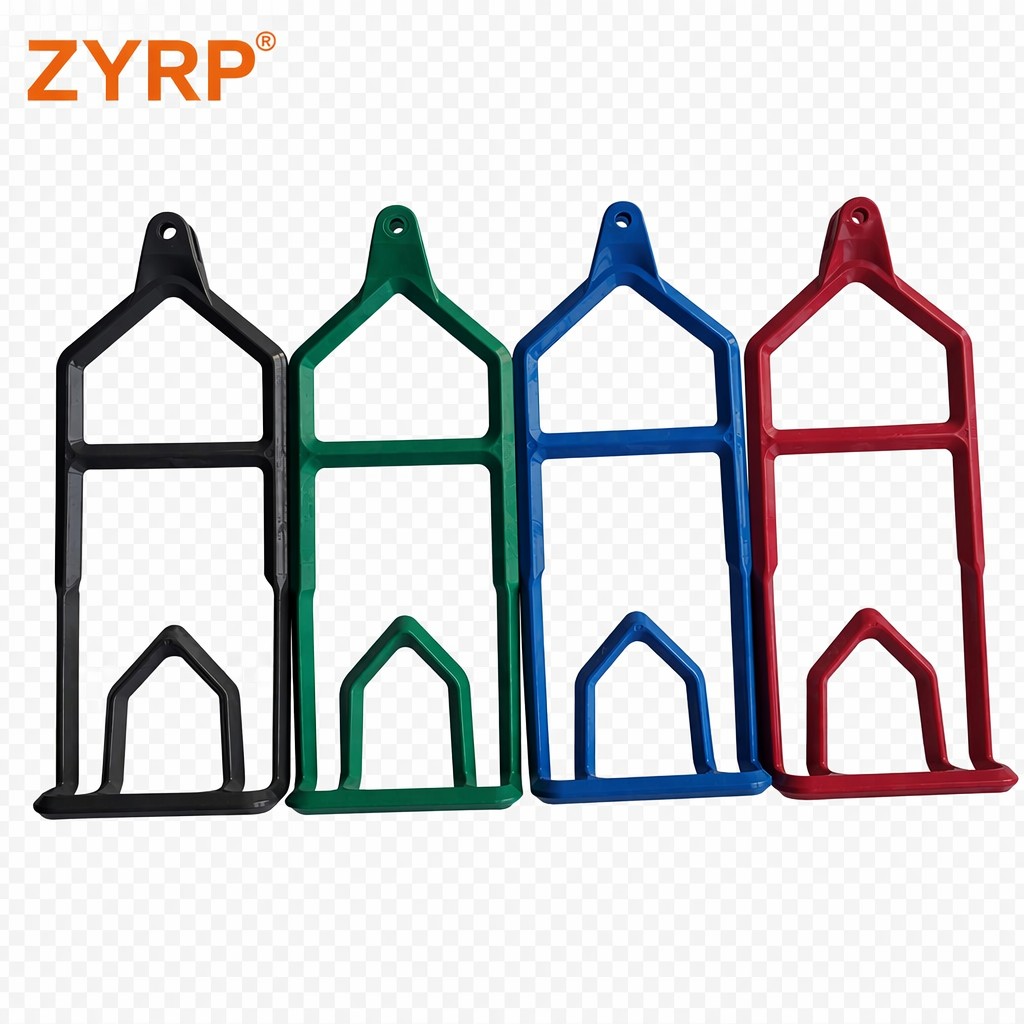
Before beginning installation, verify that all poultry processing blades match your equipment specifications and are free from manufacturing defects. Inspect cutting edges for nicks or dullness, check blade material composition for corrosion resistance, and confirm that mounting hardware is clean and compatible. A careful pre-installation audit prevents costly mistakes later and ensures your blade installation delivers consistent performance from day one.
Establish a dedicated, contamination-free workspace equipped with proper lighting and work surfaces for handling poultry processing blades. Disconnect electrical power to the processing line and engage lockout-tagout procedures before touching any blade assemblies. Lay out all necessary tools, replacement parts, and documentation in an organized manner. Poultry processing blades require careful handling to prevent edge damage and maintain hygiene standards. Keep a cleaning station nearby with approved sanitizers and lint-free cloths for pre-installation cleaning of blade components and mounting fixtures.
All personnel involved in poultry processing blades installation must complete safety certification and understand cut hazard protocols. Wear cut-resistant gloves, safety glasses, and appropriate protective equipment throughout the installation process. Review your facility's blade handling procedures and emergency response protocols. Ensure that only trained technicians perform installation work, and always have a supervisor present. Establish clear communication signals and procedures for the installation team to prevent accidents during poultry processing blades positioning and securing.
Accurate alignment is critical for optimal performance of poultry processing blades in your facility. Use precision measurement tools such as dial indicators, laser alignment systems, or digital gauges to verify blade positioning. Check both horizontal and vertical alignment planes against manufacturer specifications. Ensure that poultry processing blades sit perpendicular to the cutting direction and maintain consistent spacing relative to adjacent blades. Misalignment causes uneven cuts, accelerated wear, and potential product contamination. Make small adjustments incrementally and recheck measurements after each adjustment to achieve factory-grade precision.
Secure poultry processing blades using manufacturer-approved fastening systems that prevent vibration and movement during operation. Apply the correct torque specifications to bolts and fasteners, using calibrated wrenches to avoid over-tightening or under-tightening. Verify that all locking washers, safety pins, and retention clips are installed according to technical documentation. Check that mounting fixtures are free from debris before installing poultry processing blades. After the initial securing, perform a vibration test by hand to confirm that blades remain stable and secure. Double-check all fasteners after 24 hours of line operation to ensure they have not loosened.
Before returning the line to full production, conduct comprehensive functional testing of newly installed poultry processing blades. Perform a slow-speed dry run without product to verify smooth blade motion and check for unusual vibration or noise. Inspect the cutting path for debris or obstructions that could damage the blades. Monitor temperature at blade contact points to ensure that friction levels remain within acceptable ranges. Gradually increase line speed while observing blade performance, and verify that cutting quality meets your facility standards. Document baseline measurements such as blade temperature, vibration levels, and product quality metrics for future comparison.
Establish a preventive maintenance schedule for poultry processing blades to extend service life and ensure consistent performance. Inspect blades daily for visible wear, discoloration, or micro-cracks that indicate fatigue or contamination. Clean poultry processing blades thoroughly at the end of each production shift using approved sanitizers and non-abrasive methods to prevent material degradation. Schedule professional sharpening or blade replacement based on cutting performance decline rather than arbitrary time intervals. Track maintenance history, replacement dates, and performance metrics to identify patterns and optimize your blade lifecycle management. Replace poultry processing blades immediately if they show signs of rust, pitting, or structural compromise.
Replacement frequency depends on production volume, product consistency, and maintenance quality. Most facilities replace poultry processing blades every 30 to 90 days during continuous operation. Monitor cutting performance daily and replace blades sooner if product quality declines, edge dullness increases, or visible damage appears. Proper maintenance extends blade lifespan significantly compared to neglected equipment.
Common causes include improper alignment during installation, mismatched blade specifications, inadequate cleaning, corrosive residue accumulation, and exposure to foreign objects. Poultry processing blades fail faster when installed with incorrect torque, exposed to temperature extremes, or operated beyond design parameters. Contamination from bone fragments, improper sanitizer chemicals, or hard surface contact accelerates wear and reduces service life dramatically.
Yes, many poultry processing blades can be professionally resharpened to restore cutting performance at lower cost than replacement. However, resharpening is economical only if blade structural integrity remains sound and edge geometry has not degraded. Blades with corrosion, visible cracks, or stress fractures should be replaced rather than resharpened. Consult your blade manufacturer for resharpening compatibility recommendations specific to your poultry processing blades model and material specifications.
 Hot News
2026-09-28
2026-09-21
2026-09-14
2026-09-08
2026-09-01
2026-08-12

Hebei Zunyan Technology provides high-quality poultry processing spare parts for global meat processors. Our stainless steel & plastic eviscerating shackles, chains, and custom CNC components ensure durability, precision, and fast dispatch. 30+ production lines, ISO-aligned quality, 48h shipping. Request quote today.
1901, Unit C19, Tongrui Business Building, Changjiang Sub-district, Yuhua District, Shijiazhuang City, Hebei Province, China
Copyright © 2026 Hebei Zunyan Technology Co., Ltd. All Rights Reserved Privacy Policy
 EN