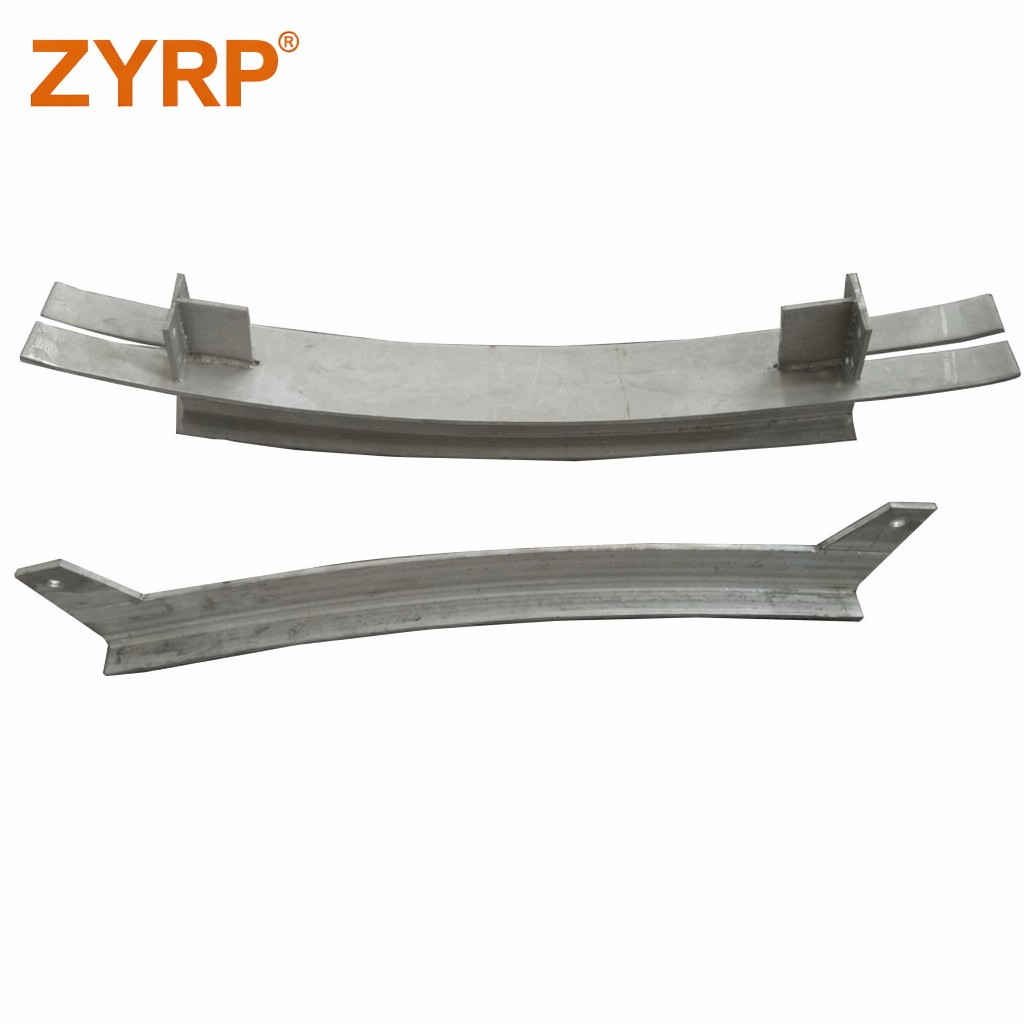
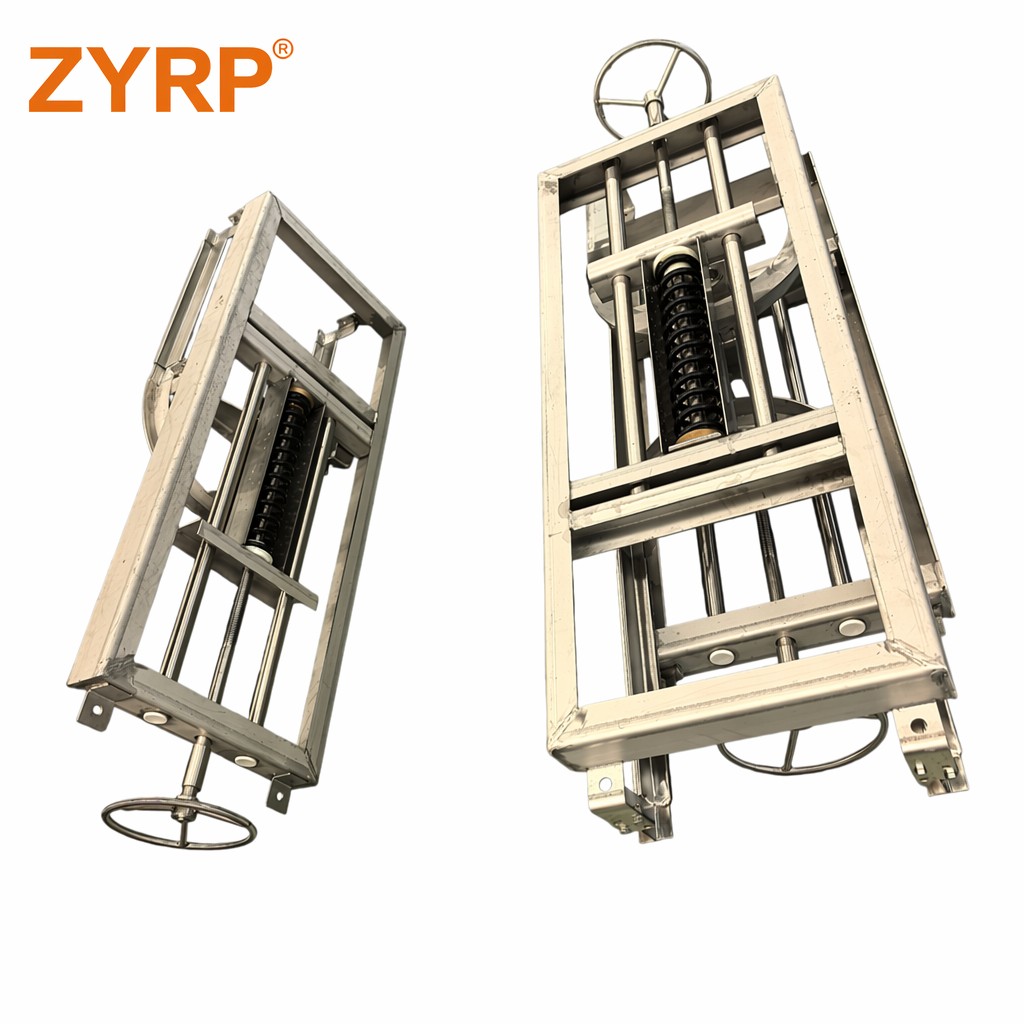
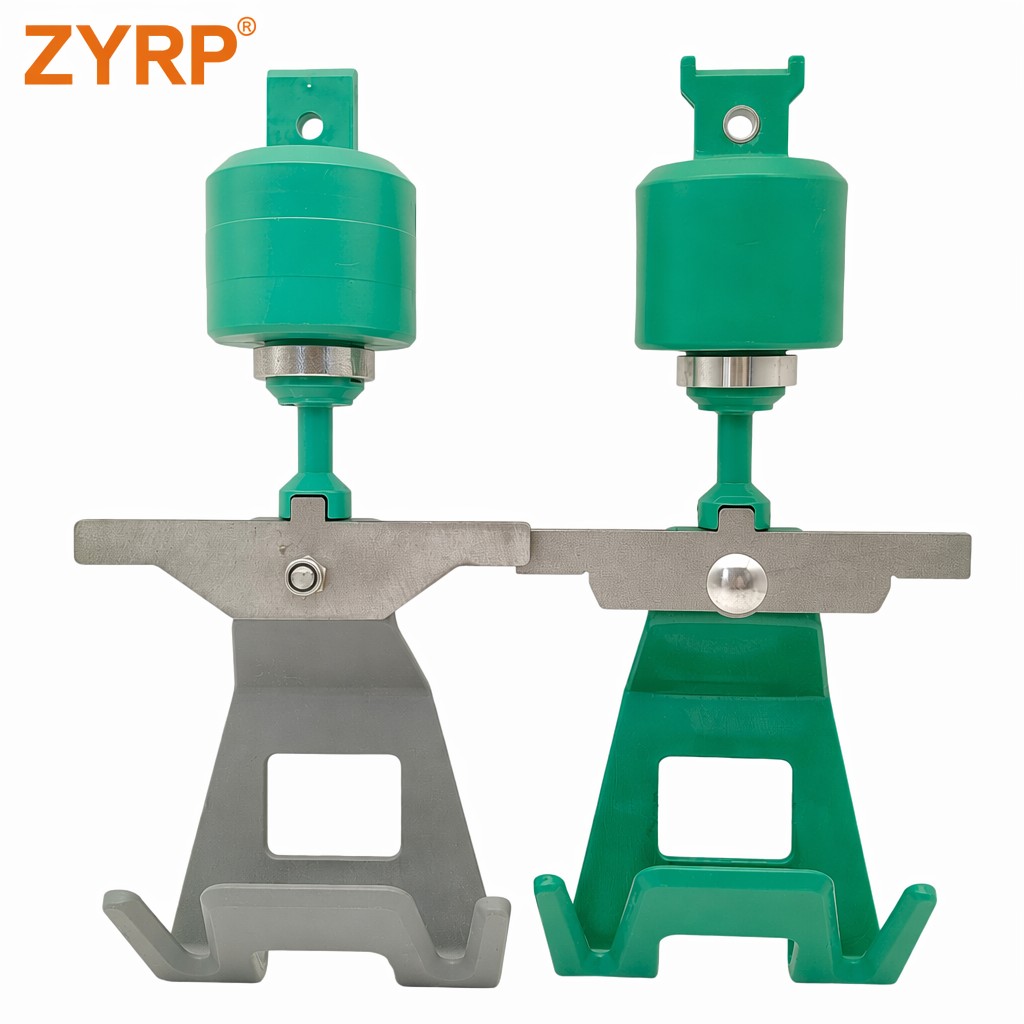
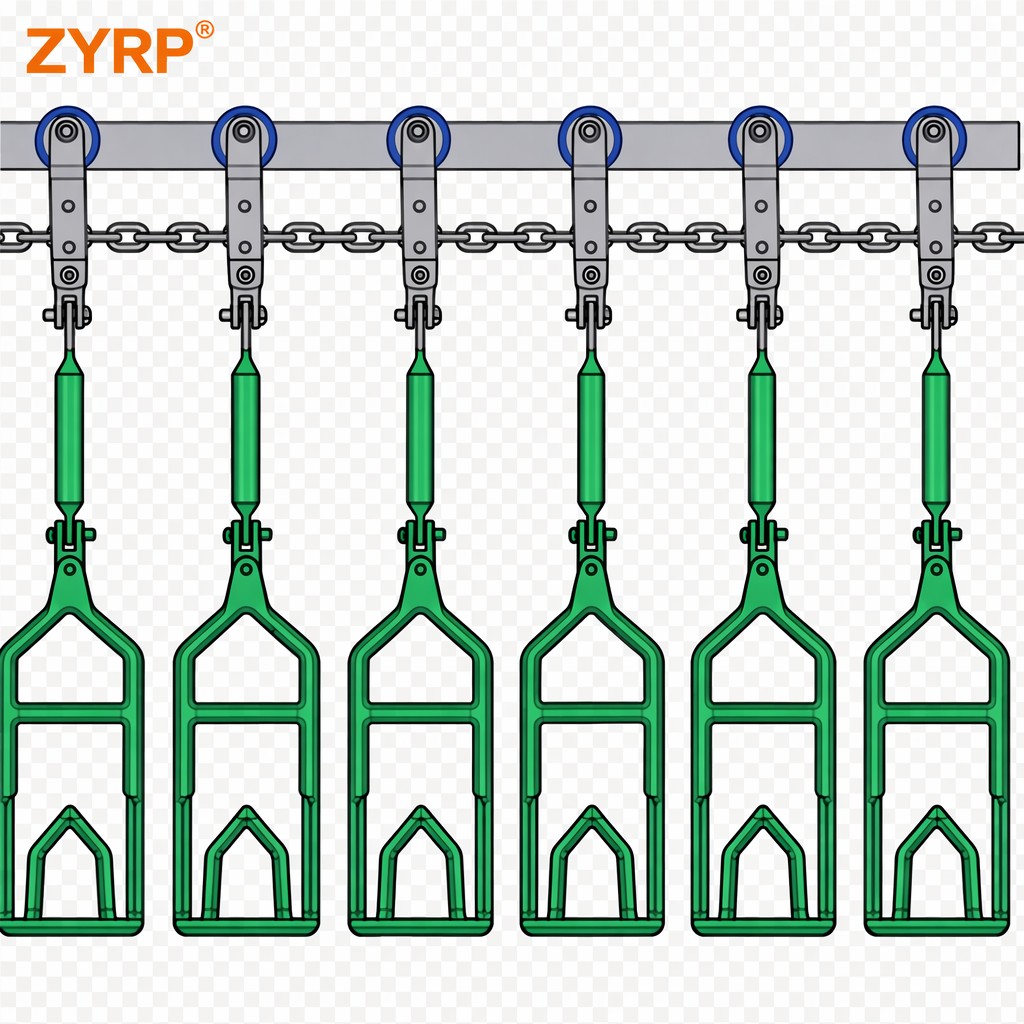
Sourcing poultry slaughtering spare parts is a critical operational challenge for meat processing facilities worldwide. Finding the right poultry slaughtering spare part supplier can mean the difference between maintaining continuous production and facing costly downtime. Whether you operate a small-scale processing facility or a large industrial operation, understanding how to source poultry slaughtering spare parts effectively is essential to keep your equipment running smoothly and efficiently.
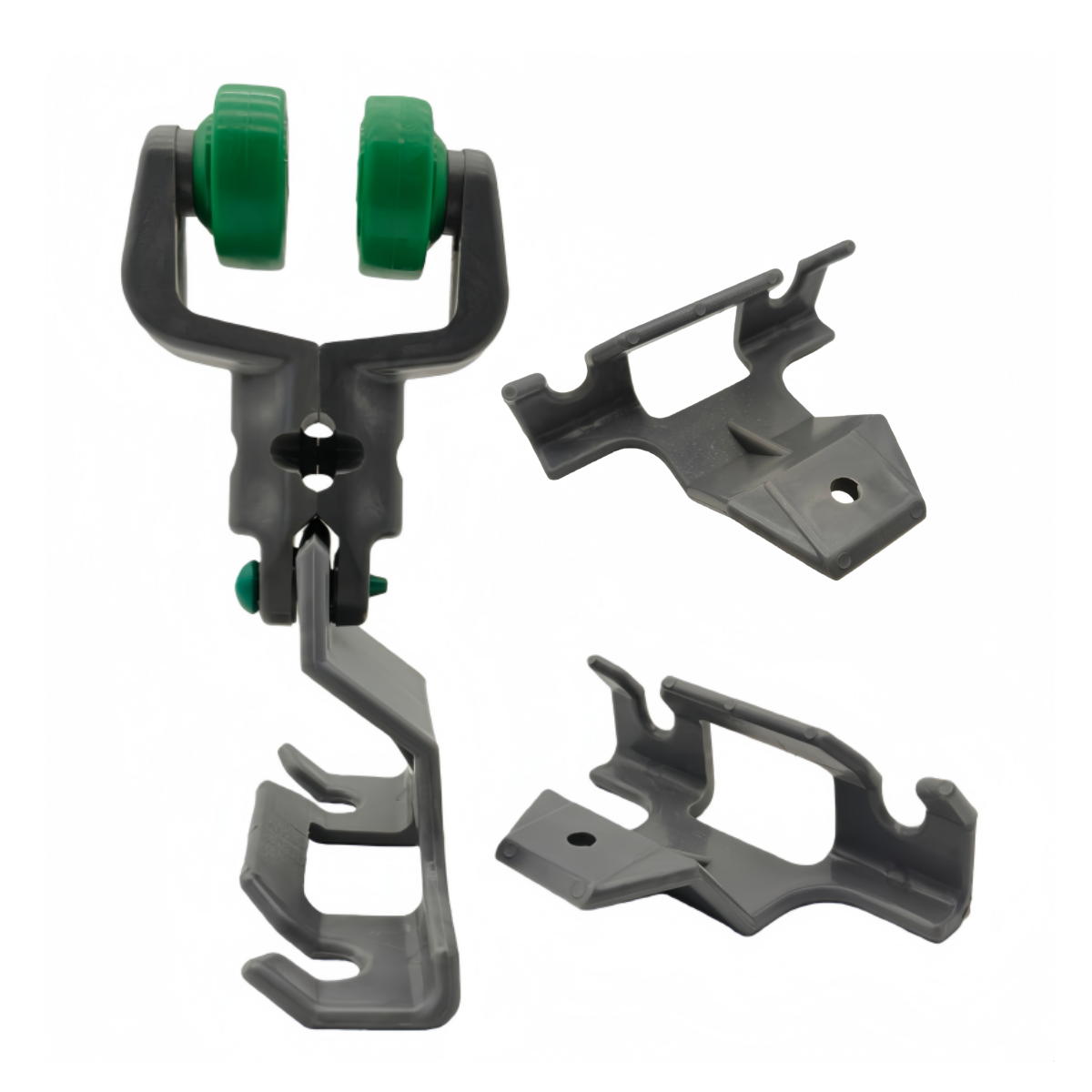
The poultry processing industry demands precision equipment and reliable poultry slaughtering spare parts to maintain hygiene standards, food safety compliance, and production throughput. A single broken conveyor component, worn blade, or faulty control module can disrupt your entire processing line. Understanding the nuances of sourcing poultry slaughtering spare parts helps you build resilient supply chains and minimize unexpected equipment failures that impact revenue and customer commitments.
Every poultry processing facility contains dozens of interconnected systems, each requiring specific poultry slaughtering spare parts for maintenance and replacement. Common components include overhead conveyor trolleys, scalding equipment, feather removal machinery, evisceration systems, chilling units, and packaging equipment. Before you can effectively source a poultry slaughtering spare part, you must first conduct a comprehensive audit of your processing line to identify which components are mission-critical and which wear parts need regular replacement cycles.
Document the make, model, and serial numbers of all equipment in your facility. Many poultry slaughtering spare part suppliers require this information to provide accurate compatibility recommendations. Additionally, track which components fail most frequently to prioritize your sourcing efforts. Understanding your operational context—whether you process broilers, layers, or specialty birds—influences which poultry slaughtering spare part options are most relevant to your needs.
A critical mistake in sourcing poultry slaughtering spare parts is purchasing components without verifying compatibility with your existing equipment. Different manufacturers use varying mounting systems, electrical connections, and material specifications. When selecting a poultry slaughtering spare part, verify that dimensions, thread types, voltage ratings, and material certifications match your original equipment specifications. Incompatible parts can lead to installation delays, equipment damage, or safety hazards.
Request detailed technical documentation from poultry slaughtering spare part suppliers before making purchasing decisions. This documentation should include CAD drawings, material certifications, performance ratings, and installation guidelines. For critical poultry slaughtering spare part purchases, consider requesting a compatibility assessment from your equipment manufacturer or an experienced integrator to avoid costly installation errors.
The poultry processing industry operates under strict food safety regulations, which directly impacts your poultry slaughtering spare part sourcing strategy. Reliable suppliers of poultry slaughtering spare parts maintain certifications such as ISO 9001 for quality management and ISO 22000 for food safety. These certifications indicate that the supplier follows rigorous quality control procedures when manufacturing or distributing poultry slaughtering spare parts.
When evaluating potential poultry slaughtering spare part suppliers, request evidence of their certifications and verify them through official certification bodies. Additionally, inquire about the supplier's traceability procedures and material sourcing practices. A reputable poultry slaughtering spare part supplier should be able to provide complete traceability documentation for each component, ensuring food safety compliance throughout your supply chain.
Rather than treating poultry slaughtering spare part sourcing as a transactional activity, consider developing strategic partnerships with reliable suppliers. Long-term relationships with poultry slaughtering spare part vendors provide several advantages: priority access to inventory during peak demand periods, volume discounts, technical support availability, and flexibility during emergencies. A trusted poultry slaughtering spare part supplier becomes an extension of your maintenance team, offering proactive recommendations based on industry best practices.
Establish clear communication channels with your poultry slaughtering spare part supplier, including designated technical contacts and support hotlines. Schedule regular meetings to discuss your facility's performance metrics, upcoming maintenance schedules, and emerging equipment issues. A collaborative approach to sourcing poultry slaughtering spare parts helps you anticipate needs before failures occur and demonstrates that you value the supplier relationship beyond individual transactions.
Effective sourcing of poultry slaughtering spare parts begins with preventive maintenance planning. Rather than reactively purchasing poultry slaughtering spare parts only after equipment failures, develop a predictive maintenance program that identifies wear patterns and schedules component replacements during planned downtime. This approach reduces emergency sourcing situations where you might accept inferior quality poultry slaughtering spare parts due to time pressure or pay premium rush charges.
Work with your poultry slaughtering spare part suppliers to establish recommended replacement intervals for wear items such as bearings, seals, and conveyor belts. Many suppliers maintain historical data on component failure rates and can provide evidence-based recommendations for your specific operating conditions. By maintaining inventory of critical poultry slaughtering spare parts based on usage forecasts, you ensure continuous operation while negotiating better pricing through planned purchases.
Sourcing poultry slaughtering spare parts involves balancing cost considerations against quality requirements and operational reliability. The cheapest poultry slaughtering spare part option is rarely the best investment for mission-critical equipment. Instead, evaluate total cost of ownership, which includes the purchase price, installation labor, expected service life, and impact of potential failures. A slightly more expensive poultry slaughtering spare part that offers superior reliability and durability often delivers better financial outcomes than cheaper alternatives requiring frequent replacement.
Request quotes for poultry slaughtering spare parts from multiple suppliers to compare pricing while maintaining quality standards. However, do not make purchasing decisions based solely on unit price. Consider factors such as warranty coverage, technical support, shipping timeframes, and return policies when evaluating poultry slaughtering spare part quotes. Many processors find that premium suppliers of poultry slaughtering spare parts deliver superior value through faster delivery, better compatibility, and responsive technical support.
Efficient sourcing of poultry slaughtering spare parts requires disciplined inventory management and clear procurement workflows. Maintain a prioritized list of essential poultry slaughtering spare parts for your facility, categorized by criticality and typical replacement frequency. Stock emergency inventory of high-impact, frequently-failed components to minimize downtime during unexpected failures. For other poultry slaughtering spare parts, establish vendor-managed inventory agreements where suppliers maintain stock on your behalf, reducing your working capital requirements.
Implement a standardized procurement process for sourcing poultry slaughtering spare parts, including requisition forms, approval workflows, and supplier communication templates. This systematic approach reduces purchasing errors, ensures compliance with quality standards, and provides audit trails for regulatory purposes. Many modern poultry facilities use enterprise resource planning systems to track poultry slaughtering spare part usage, forecast demand, and automatically trigger purchase orders when inventory levels decline below thresholds.
Reputable poultry slaughtering spare part suppliers should maintain ISO 9001 certification for quality management and ISO 22000 for food safety management. Some suppliers also pursue ISO 13485 for medical device quality standards, which indicates heightened manufacturing discipline applicable to food processing equipment. When evaluating a poultry slaughtering spare part supplier, request current copies of their certifications and verify them with the issuing certification body. Additionally, inquire whether they comply with specific regulatory requirements in your region or country.
Begin by consulting your original equipment manufacturer's documentation, which specifies compatible poultry slaughtering spare part specifications. Contact your equipment supplier's technical support team with your equipment model and serial number to confirm exact poultry slaughtering spare part compatibility. Request detailed technical documentation from the poultry slaughtering spare part supplier, including CAD drawings and material specifications. For expensive or critical components, consider requesting a compatibility assessment from your equipment manufacturer or hiring an independent equipment integrator before making large purchases of poultry slaughtering spare parts.
Yes, maintaining emergency inventory of critical poultry slaughtering spare parts is highly recommended for processing facilities where downtime directly impacts revenue and customer relationships. Focus your emergency stock on high-impact components that frequently fail and have longer lead times from poultry slaughtering spare part suppliers. Calculate your optimal safety stock levels based on lead times, usage rates, and facility downtime costs. For low-impact components or items with short supplier lead times, vendor-managed inventory arrangements or just-in-time procurement strategies may be more cost-effective than maintaining excess poultry slaughtering spare parts inventory.
 Hot News
2026-09-28
2026-09-21
2026-09-14
2026-09-08
2026-09-01
2026-08-12

Hebei Zunyan Technology provides high-quality poultry processing spare parts for global meat processors. Our stainless steel & plastic eviscerating shackles, chains, and custom CNC components ensure durability, precision, and fast dispatch. 30+ production lines, ISO-aligned quality, 48h shipping. Request quote today.
1901, Unit C19, Tongrui Business Building, Changjiang Sub-district, Yuhua District, Shijiazhuang City, Hebei Province, China
Copyright © 2026 Hebei Zunyan Technology Co., Ltd. All Rights Reserved Privacy Policy
 EN
EN