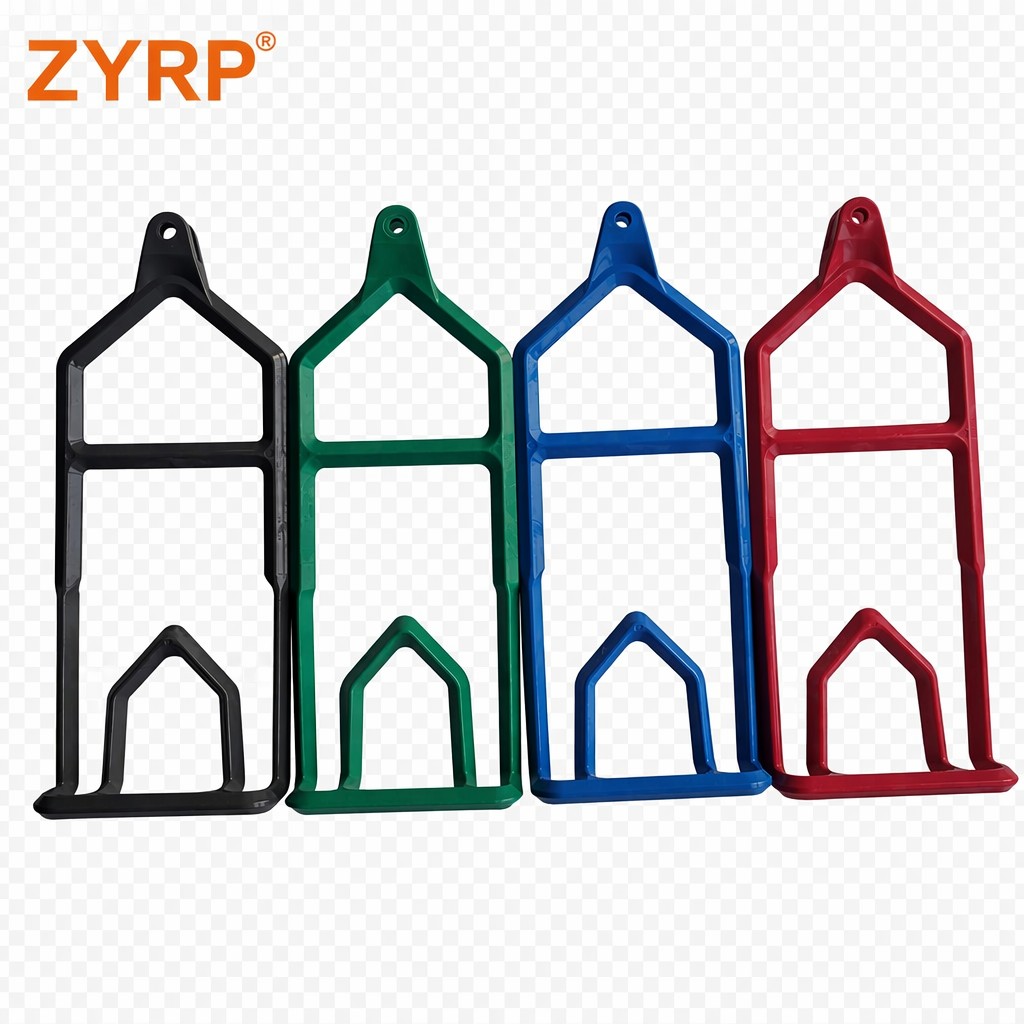
In modern processing facilities, choosing between a poultry overhead conveyor trolley system and traditional poultry chain conveyor systems impacts operational efficiency, maintenance costs, and product safety. A poultry overhead conveyor trolley represents a modern approach to bird transport, while chain systems have dominated for decades. Understanding the differences between these technologies is essential for any poultry processing conveyor comparison.
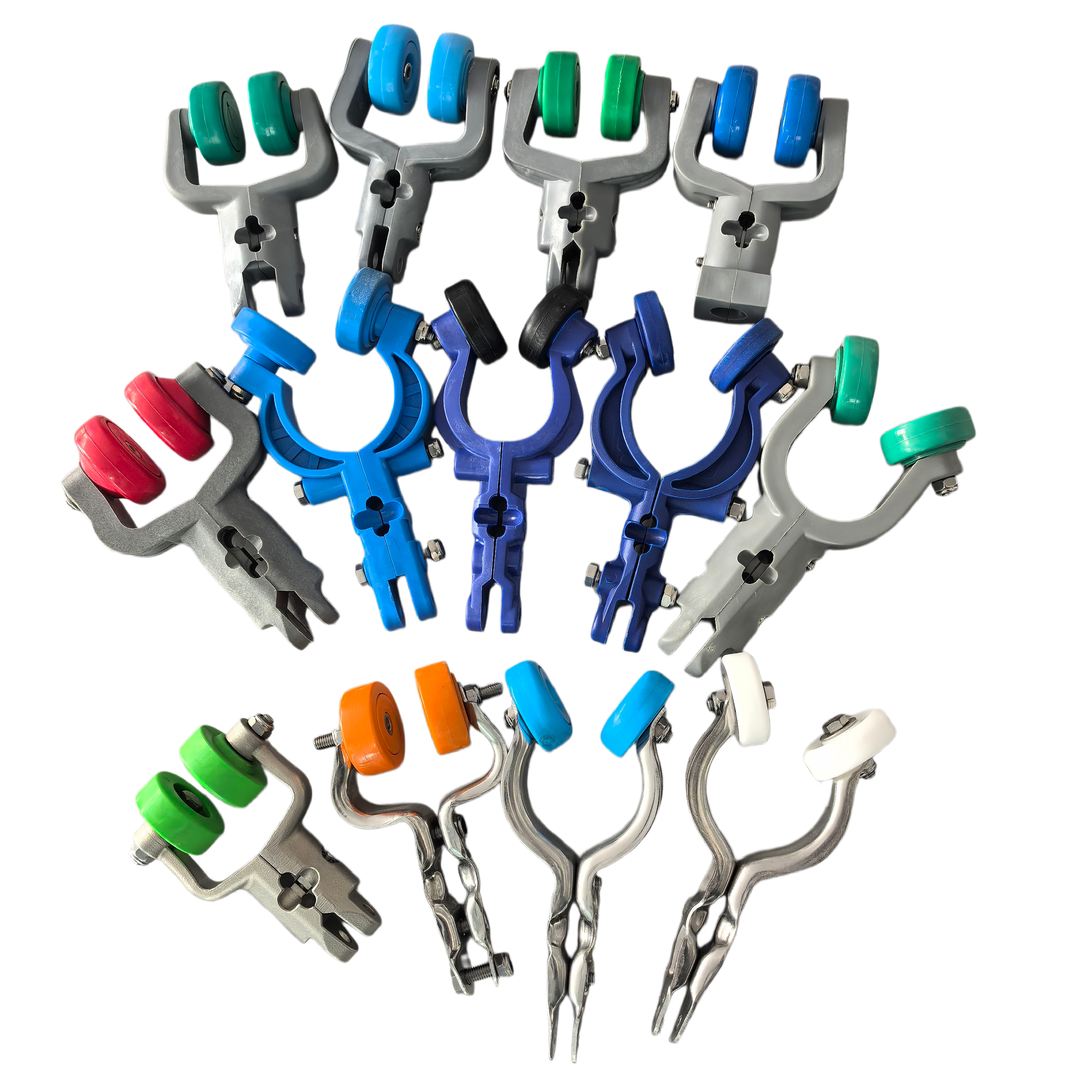
The choice between a poultry overhead conveyor trolley and chains depends on your production volume, hygiene standards, and long-term goals. Each system offers distinct trade-offs affecting throughput, sanitation, and expenses. This guide explores both options to help optimize your poultry conveyor ROI.
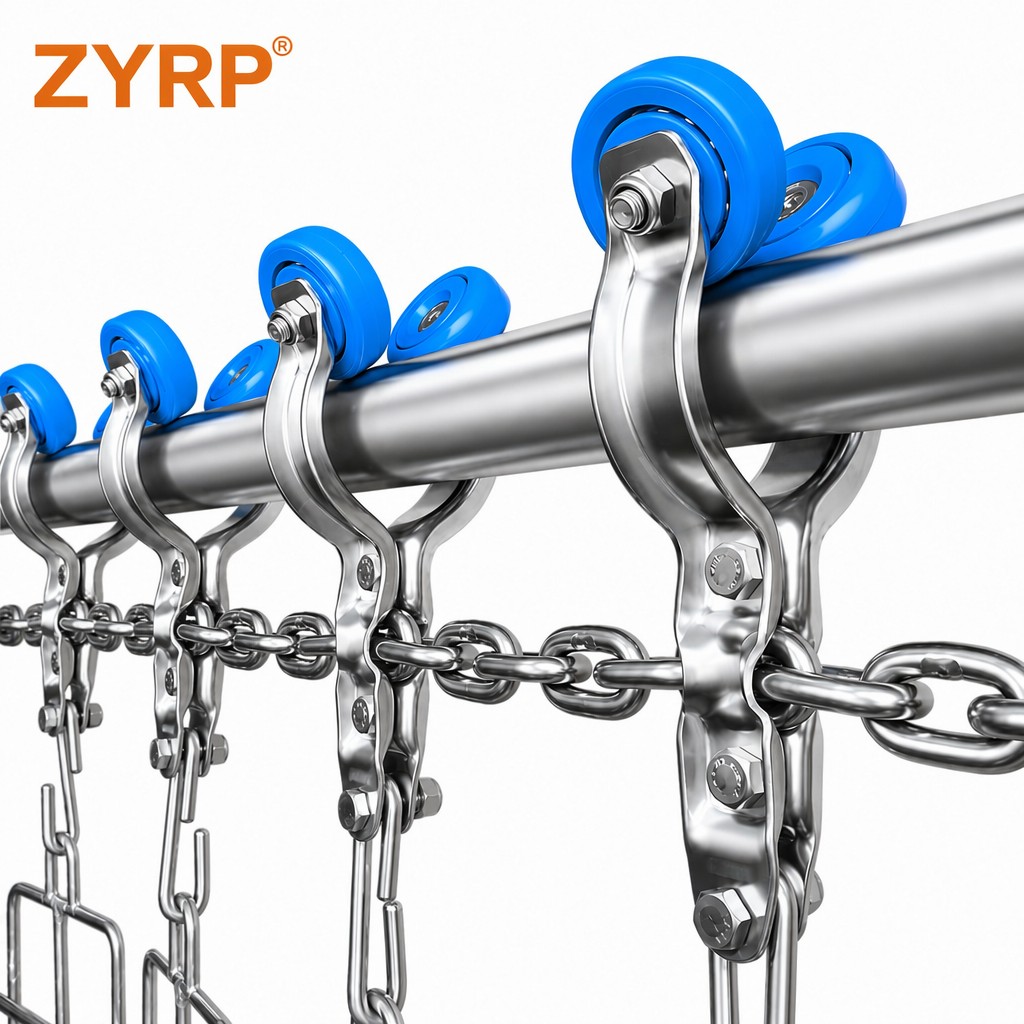
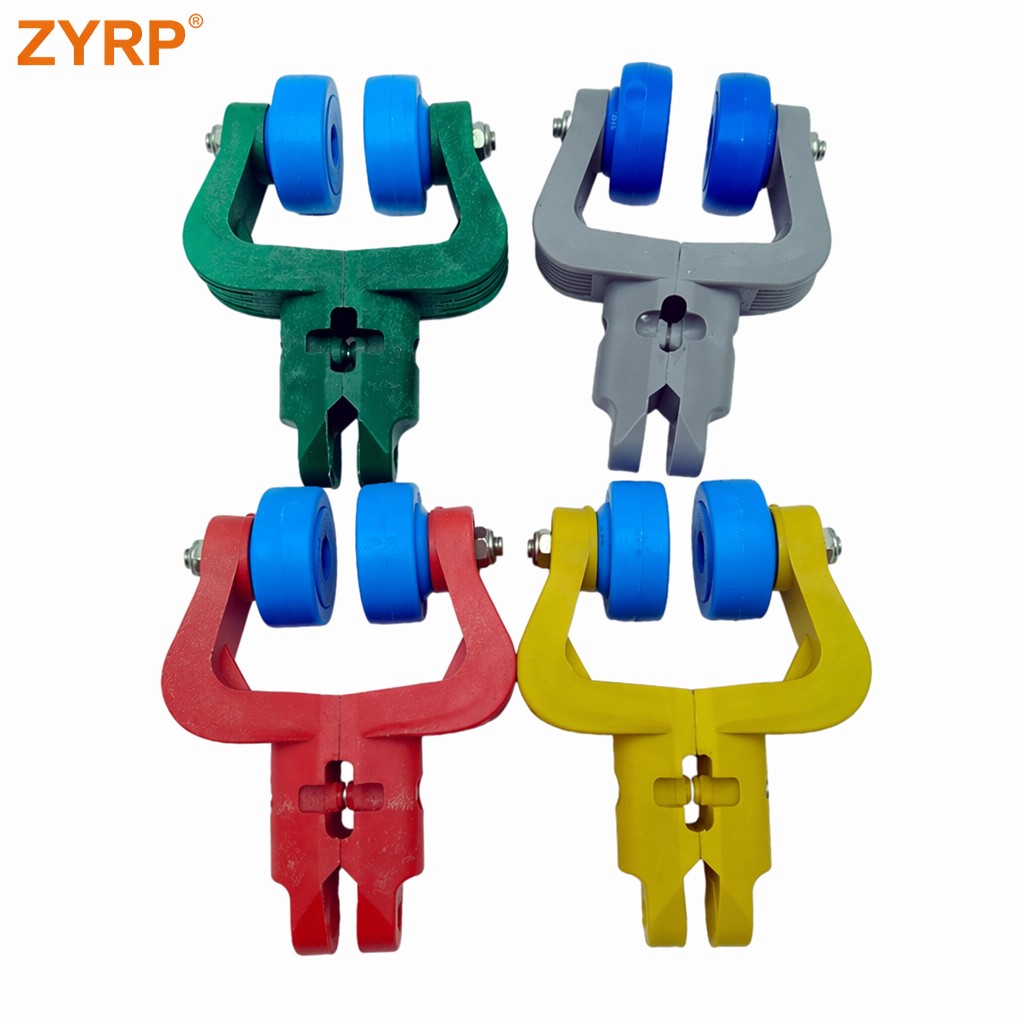
A poultry overhead conveyor trolley system features individual carriers moving along a suspended rail. Each poultry overhead conveyor trolley holds birds through scalding, plucking, evisceration, chilling, and packaging. This design eliminates continuous chains, using discrete moving units that can be controlled independently.
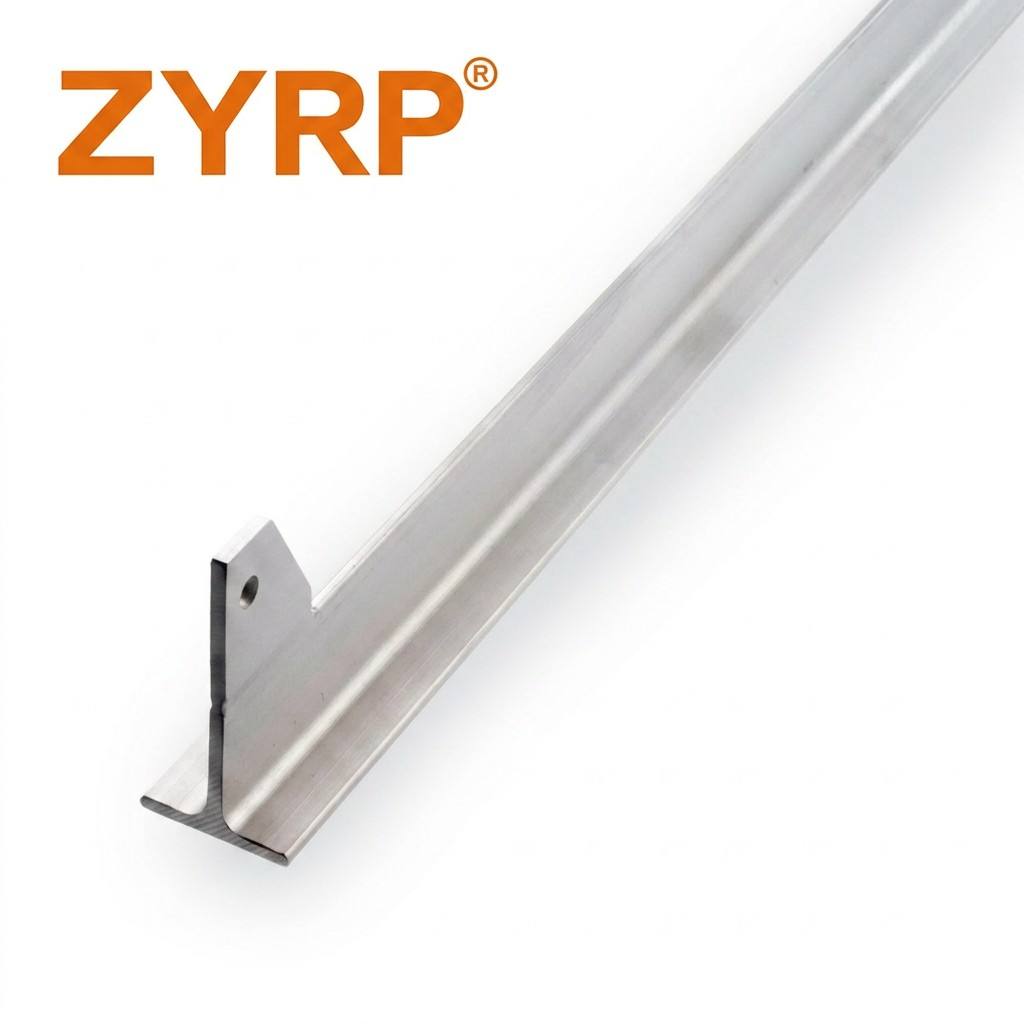
Tracks for a poultry overhead conveyor trolley use stainless steel built to withstand high-pressure washing and chemicals. Trolleys are driven by motorized units providing smooth motion. A poultry overhead conveyor trolley can pause or adjust spacing automatically, offering flexibility that chain systems cannot match.
Traditional poultry chain conveyor setups use continuous metal chains with attached hooks to transport birds at a fixed speed. Chain systems have been common because they are mechanically simple and proven for high-volume lines.
However, a poultry chain conveyor relies on heavy-duty chains, sprockets, and bearings under constant tension. Unlike a poultry overhead conveyor trolley, chains operate as one integrated unit. Maintenance at any point halts the entire line, creating potential production bottlenecks.
A poultry overhead conveyor trolley system requires less frequent maintenance because individual units experience lower stress than continuous chains under tension. Poultry chain conveyor links must be continuously lubricated, tensioned, and inspected. When a chain link fails, the entire line stops, causing significant downtime.
With a poultry overhead conveyor trolley, maintenance teams can remove individual damaged units without stopping production. Facilities using a poultry overhead conveyor trolley report lower repair budgets and quick component replacements.
Hygiene is paramount, and food safety conveyor systems are critical for compliance. Individual poultry overhead conveyor trolley components can be easily removed, cleaned, and sanitized. The track remains accessible for thorough disinfection.
Conversely, a poultry chain conveyor cannot be removed during sanitation, making it difficult to clean areas where organic debris accumulates. The enclosed drive mechanisms of chain systems create dead zones for bacteria. A poultry overhead conveyor trolley system simplifies HACCP audits and improves food safety scores.
A poultry overhead conveyor trolley consumes less energy because trolleys move with reduced friction resistance. Chains must overcome continuous mechanical tension and bearing resistance throughout their length. Modern poultry overhead conveyor trolley setups use variable frequency drives to adjust speed based on demand, cutting energy usage.
Calculating total cost over five to ten years shows that a poultry overhead conveyor trolley often delivers superior financial outcomes despite a higher initial purchase price.
Fixed-speed poultry chain conveyor systems present challenges when bird sizes or production demands fluctuate. A poultry overhead conveyor trolley can be programmed to alter speeds, hold birds at specific stations, or reroute processing flows.
If a plucking station becomes congested, operators using a poultry overhead conveyor trolley can temporarily adjust incoming feed without affecting downstream operations. This dynamic control provides a clear advantage in any comprehensive poultry processing conveyor comparison.
Expanding a poultry chain conveyor requires substantial downtime, mechanical rework, and motor replacements. In contrast, a poultry overhead conveyor trolley can be extended by adding track segments and extra trolley units with minimal disruption.
Furthermore, integrating intelligent tracking, automated sorting, and quality sensors is straightforward with a poultry overhead conveyor trolley. Each poultry overhead conveyor trolley can carry RFID tags for real-time data tracking, which is difficult to retrofit onto chain setups.
A poultry overhead conveyor trolley system typically requires a 15 to 30 percent higher initial capital investment compared to a traditional poultry chain conveyor. Advanced control electronics, motorized drives, and specialized trolley units account for this cost.
Installation of a poultry overhead conveyor trolley requires precise alignment and programming. A standard poultry chain conveyor can often be installed faster using conventional procedures.
Over five years, maintenance and replacement parts for a poultry chain conveyor accumulate to 40-60% of its original purchase price. A poultry overhead conveyor trolley typically incurs only 15-25% in maintenance expenses over the same period.
Facilities that process high volumes realize a strong poultry conveyor ROI on a poultry overhead conveyor trolley within three to five years through reduced downtime, lower energy bills, and savings on replacement parts.
Maintenance Flexibility: The poultry overhead conveyor trolley allows individual unit servicing without halting production, whereas a poultry chain conveyor requires line-wide stoppages for repairs.
Sanitation & Food Safety: Trolley systems feature modular components that allow thorough washdown, meeting strict standards for food safety conveyor systems. Chain systems feature enclosed drive zones where residue can accumulate.
Operational Energy Usage: Trolley units run on variable frequency drives with low friction, while chain systems consume more energy due to continuous mechanical friction.
Scalability: Expanding a poultry overhead conveyor trolley system is simple and modular, whereas extending chain systems is complex and labor-intensive.
A well-maintained poultry overhead conveyor trolley system typically lasts 10 to 15 years before major overhaul. Standard poultry chain conveyor systems usually offer a service life of 8 to 12 years. The poultry overhead conveyor trolley benefits from reduced mechanical stress and modular part replacement.
Yes, retrofitting a poultry overhead conveyor trolley into a facility designed for chains is possible but involves structural adjustments, new track installation, and electrical updates. Retrofitting a poultry overhead conveyor trolley is most economical during major plant renovations.
Smaller plants may select a poultry chain conveyor initially due to lower upfront capital requirements. However, as throughput increases and food safety standards tighten, switching to a poultry overhead conveyor trolley improves operational efficiency, lowers maintenance expenses, and optimizes overall poultry conveyor ROI.
 Hot News
2026-09-28
2026-09-21
2026-09-14
2026-09-08
2026-09-01
2026-08-12

Hebei Zunyan Technology provides high-quality poultry processing spare parts for global meat processors. Our stainless steel & plastic eviscerating shackles, chains, and custom CNC components ensure durability, precision, and fast dispatch. 30+ production lines, ISO-aligned quality, 48h shipping. Request quote today.
1901, Unit C19, Tongrui Business Building, Changjiang Sub-district, Yuhua District, Shijiazhuang City, Hebei Province, China
Copyright © 2026 Hebei Zunyan Technology Co., Ltd. All Rights Reserved Privacy Policy
 EN
EN