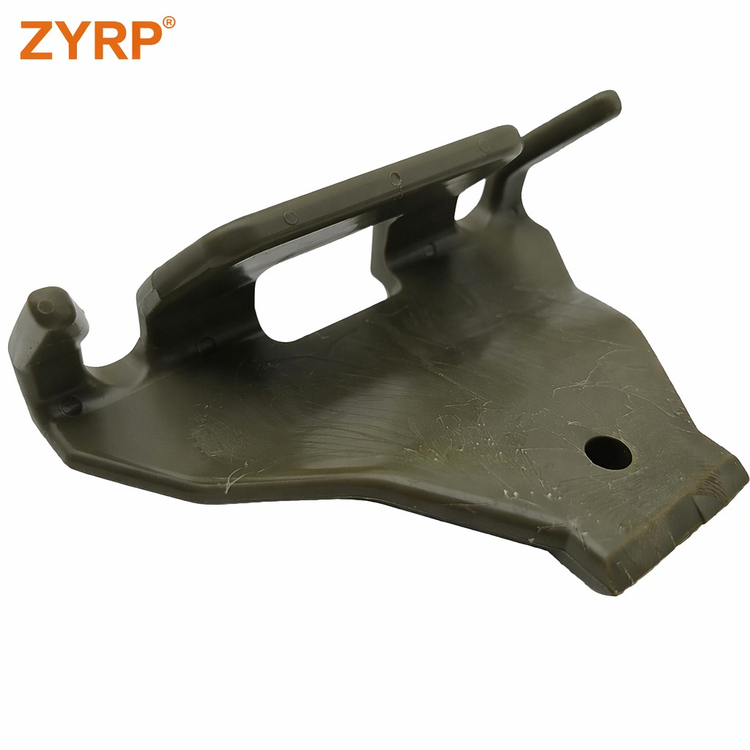
Choosing between OEM and aftermarket options represents one of the most significant decisions for poultry processing facilities. When your poultry slaughtering production line depends on reliable equipment, the quality and compatibility of every poultry slaughtering spare part directly impact operational efficiency, safety, and profitability. Understanding the differences between original equipment manufacturer parts and aftermarket alternatives helps you make informed purchasing decisions that align with your facility's budget, performance standards, and long-term maintenance strategy.
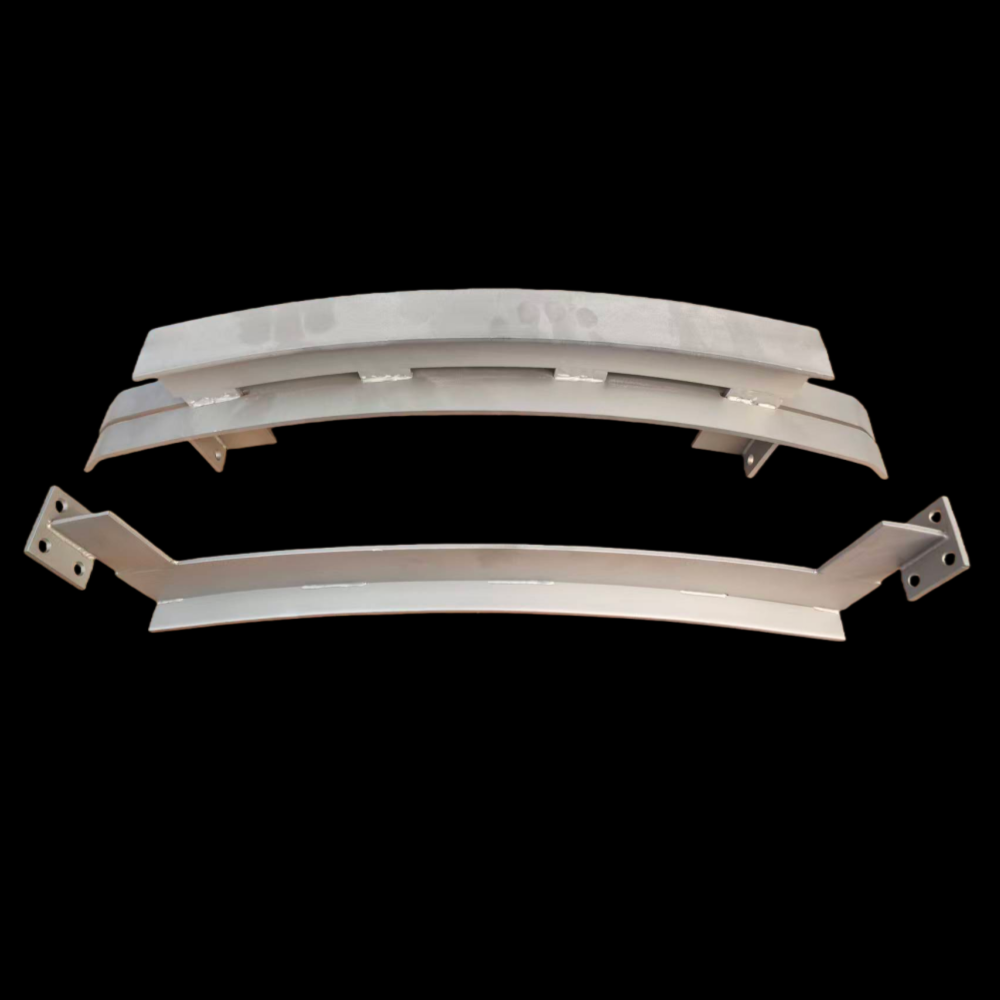
The poultry slaughtering spare part market offers multiple sourcing paths, each with distinct advantages and trade-offs. Original equipment manufacturer parts come directly from the equipment producer, while aftermarket poultry slaughtering spare part options are produced by third-party manufacturers. This article explores the critical differences between these two categories, helping you evaluate which poultry slaughtering spare part source best fits your operational requirements, budget constraints, and quality expectations.
OEM poultry slaughtering spare parts originate directly from the original equipment manufacturer, meeting exact factory specifications and engineering standards. These parts undergo rigorous quality control processes because they carry the manufacturer's reputation and warranty coverage. When you purchase an OEM poultry slaughtering spare part, you receive components engineered specifically for your poultry slaughtering equipment model, ensuring perfect compatibility and optimal performance. The manufacturer guarantees that each poultry slaughtering spare part meets original design criteria and functions seamlessly within the integrated poultry processing system.
OEM poultry slaughtering spare part warranties typically extend manufacturer liability and provide technical support directly from the equipment producer. If an OEM poultry slaughtering spare part fails prematurely or causes equipment malfunction, the manufacturer usually covers replacement costs and compensates for downtime-related losses. This guarantee structure makes OEM poultry slaughtering spare parts a lower-risk choice for mission-critical poultry slaughtering components where production continuity is essential.
Aftermarket poultry slaughtering spare part manufacturers design components to match or exceed original specifications while operating independently from the original equipment maker. Quality varies significantly across aftermarket suppliers, ranging from premium-grade components that rival OEM standards to budget poultry slaughtering spare part alternatives with reduced durability. Reputable aftermarket producers invest in compatible design, materials science, and testing protocols to ensure their poultry slaughtering spare parts perform reliably within poultry processing systems. However, aftermarket poultry slaughtering spare parts may lack the same warranty depth or manufacturer technical support available with OEM options.
The aftermarket poultry slaughtering spare part sector includes suppliers certified to international standards like ISO 9001, which demonstrate commitment to quality consistency. These certified aftermarket providers often document material specifications, dimensional tolerances, and performance testing results for each poultry slaughtering spare part. When selecting an aftermarket poultry slaughtering spare part, verifying supplier certifications and requesting test data helps you assess component reliability and compatibility with your specific slaughtering equipment platform.
OEM poultry slaughtering spare parts typically command premium pricing because they include engineering development costs, proprietary manufacturing processes, and comprehensive warranty coverage. A single OEM poultry slaughtering spare part may cost 40 to 80 percent more than comparable aftermarket alternatives for identical poultry slaughtering equipment applications. For high-volume poultry facilities replacing multiple components annually, this cost difference accumulates rapidly and significantly impacts maintenance budgets. However, the higher price of OEM poultry slaughtering spare parts often reflects lower failure rates and longer operational life, which can reduce total cost of ownership despite upfront expense differences.
Aftermarket poultry slaughtering spare part pricing ranges broadly depending on supplier reputation, material quality, and design sophistication. Budget-tier aftermarket providers may offer a poultry slaughtering spare part at 40 to 60 percent below OEM pricing, while premium aftermarket manufacturers charge only 15 to 25 percent less than OEM equivalents. Facilities operating on tight maintenance budgets often find that mid-range aftermarket poultry slaughtering spare parts provide acceptable quality at meaningful cost savings, balancing affordability with reliability.
OEM poultry slaughtering spare parts frequently ship directly from manufacturer facilities or authorized distributors, with lead times ranging from five to twenty business days depending on component complexity and geographical location. For emergency repairs, some OEM producers maintain expedited shipping options that reduce poultry slaughtering spare part delivery to 24 to 48 hours, though expedited service carries substantial surcharges. Established equipment manufacturers often stock popular poultry slaughtering spare parts at regional distribution centers, enabling faster fulfillment for commonly replaced poultry slaughtering components.
Aftermarket poultry slaughtering spare part availability varies significantly based on supplier inventory practices and distribution network scale. Large aftermarket distributors often maintain extensive stock of popular components, sometimes delivering poultry slaughtering spare parts faster than OEM channels through local warehouses. Smaller aftermarket producers may require longer lead times because they manufacture every poultry slaughtering spare part to order rather than maintaining pre-built inventory. Facilities prioritizing poultry slaughtering equipment uptime should verify poultry slaughtering spare part availability and delivery timeframes before committing to aftermarket suppliers.
OEM poultry slaughtering spare parts integrate seamlessly because manufacturers design all components together as an integrated poultry slaughtering system from conception. Each poultry slaughtering spare part undergoes compatibility testing with related components before release to market. This integration approach eliminates guesswork and ensures that dimensional tolerances, electrical specifications, and mechanical interfaces function perfectly together. When you install an OEM poultry slaughtering spare part, you can confidently expect immediate restoration of original performance without adjustment, modification, or troubleshooting.
Aftermarket poultry slaughtering spare part compatibility depends entirely on supplier engineering accuracy and design adherence to original specifications. Premium aftermarket manufacturers invest in reverse-engineering analysis and extensive prototype testing to ensure their poultry slaughtering spare parts function identically to OEM components. However, some budget aftermarket producers take shortcuts in dimensional accuracy or material composition, resulting in compatibility issues when their poultry slaughtering spare parts are installed. These compatibility problems can trigger cascading failures, unexpected equipment behavior, or performance degradation that ultimately costs more than the initial savings from cheaper poultry slaughtering spare part options.
OEM poultry slaughtering spare parts generally demonstrate longer operational life and lower failure rates because manufacturers invest in premium materials, advanced manufacturing processes, and rigorous quality assurance. In high-stress poultry slaughtering applications like conveyor systems, cutting components, and transfer mechanisms, OEM poultry slaughtering spare parts often outlast aftermarket equivalents by 30 to 50 percent. This extended service life reduces unplanned failures, minimizes production interruptions, and decreases long-term maintenance costs despite higher initial poultry slaughtering spare part purchase prices.
Aftermarket poultry slaughtering spare part longevity varies widely based on supplier quality standards and material specifications. Premium aftermarket manufacturers using identical materials and design principles can achieve performance equivalent to OEM poultry slaughtering spare parts, while budget alternatives often fail prematurely under heavy poultry slaughtering processing conditions. Facilities experiencing frequent component failures should evaluate whether apparent cost savings from cheap aftermarket poultry slaughtering spare parts are offset by emergency repairs, unplanned downtime, and expedited replacement costs.
OEM poultry slaughtering spare parts guarantee perfect compatibility, come with comprehensive warranties, demonstrate superior reliability, and receive direct manufacturer support. These advantages justify premium pricing for mission-critical components where poultry slaughtering equipment failure disrupts processing throughput and threatens food safety standards. OEM poultry slaughtering spare parts reduce the risk of compatibility issues, unexpected failures, and cascading equipment problems that would cost far more than component savings.
Aftermarket poultry slaughtering spare parts suit non-critical applications, redundant systems with backup capacity, and facilities with strong technical expertise to verify compatibility before installation. Budget-conscious poultry slaughtering operations can use quality-certified aftermarket poultry slaughtering spare parts for wear components with predictable failure patterns and known replacement procedures. Facilities should establish minimum quality standards for aftermarket poultry slaughtering spare parts, verify supplier certifications, and test components before full production deployment.
Evaluate component criticality, equipment age, warranty requirements, downtime costs, and available technical support when choosing between OEM and aftermarket poultry slaughtering spare parts. Mission-critical slaughtering systems supporting continuous production justify OEM poultry slaughtering spare part investment, while non-critical wear items may benefit from quality aftermarket poultry slaughtering spare parts. Calculate total cost of ownership by factoring in poultry slaughtering spare part price, expected service life, warranty coverage, and potential downtime expenses rather than comparing purchase price alone.
 Hot News
2026-09-28
2026-09-21
2026-09-14
2026-09-08
2026-09-01
2026-08-12
Hebei Zunyan Technology provides high-quality poultry processing spare parts for global meat processors. Our stainless steel & plastic eviscerating shackles, chains, and custom CNC components ensure durability, precision, and fast dispatch. 30+ production lines, ISO-aligned quality, 48h shipping. Request quote today.
1901, Unit C19, Tongrui Business Building, Changjiang Sub-district, Yuhua District, Shijiazhuang City, Hebei Province, China
Copyright © 2026 Hebei Zunyan Technology Co., Ltd. All Rights Reserved Privacy Policy
 EN
EN