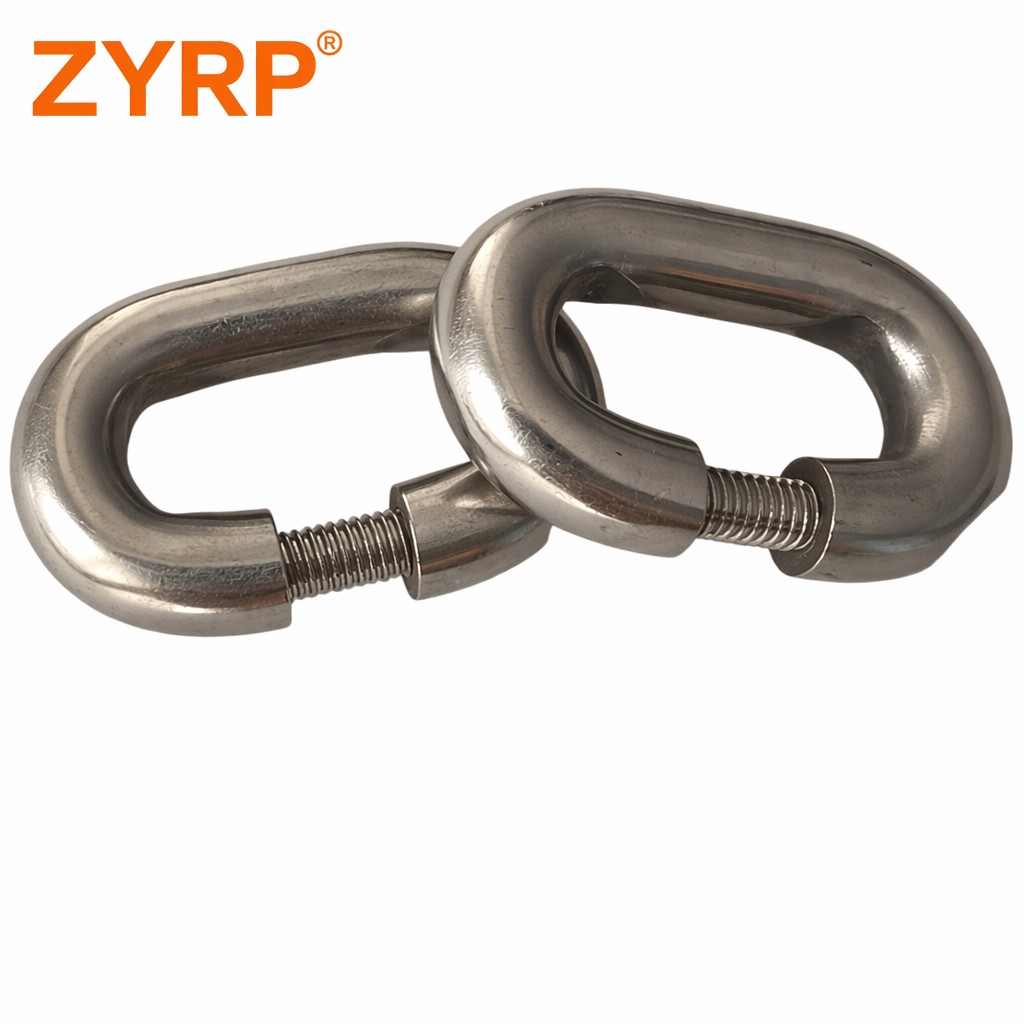
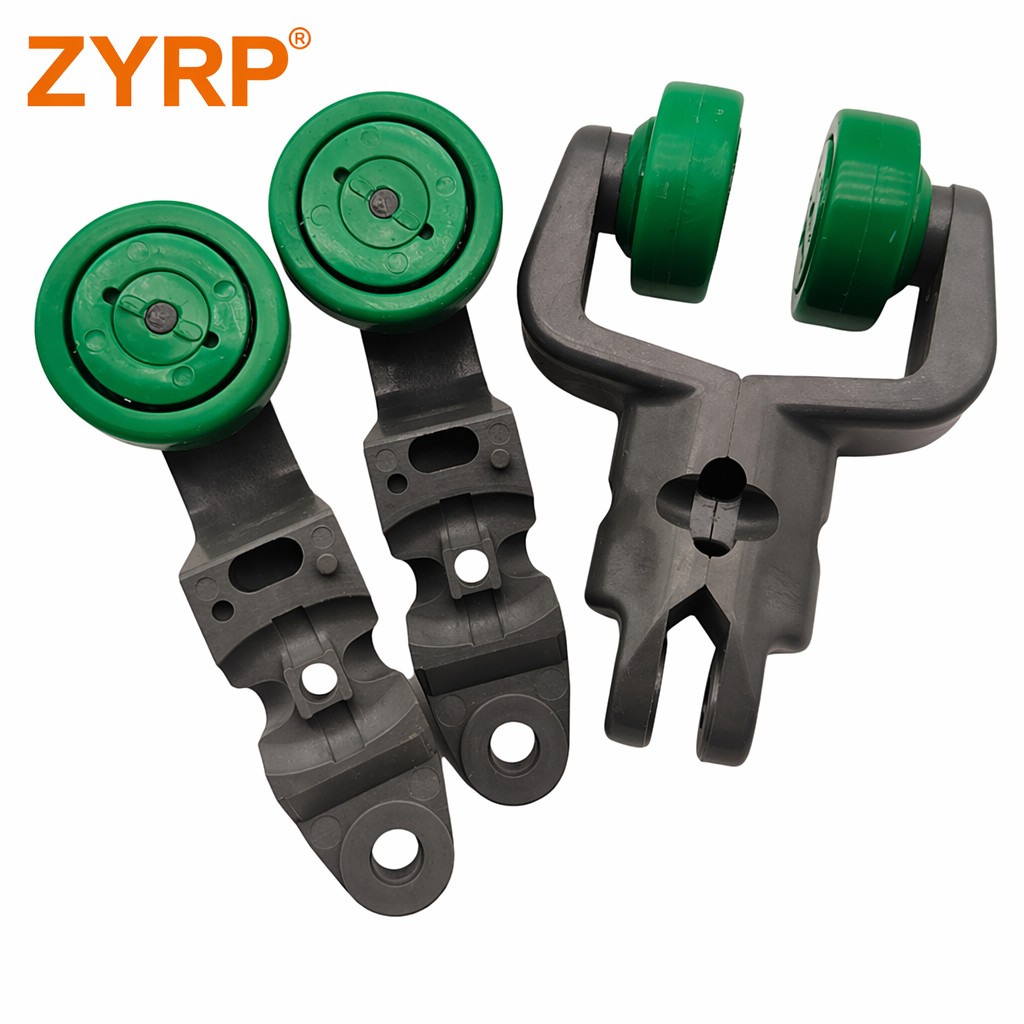
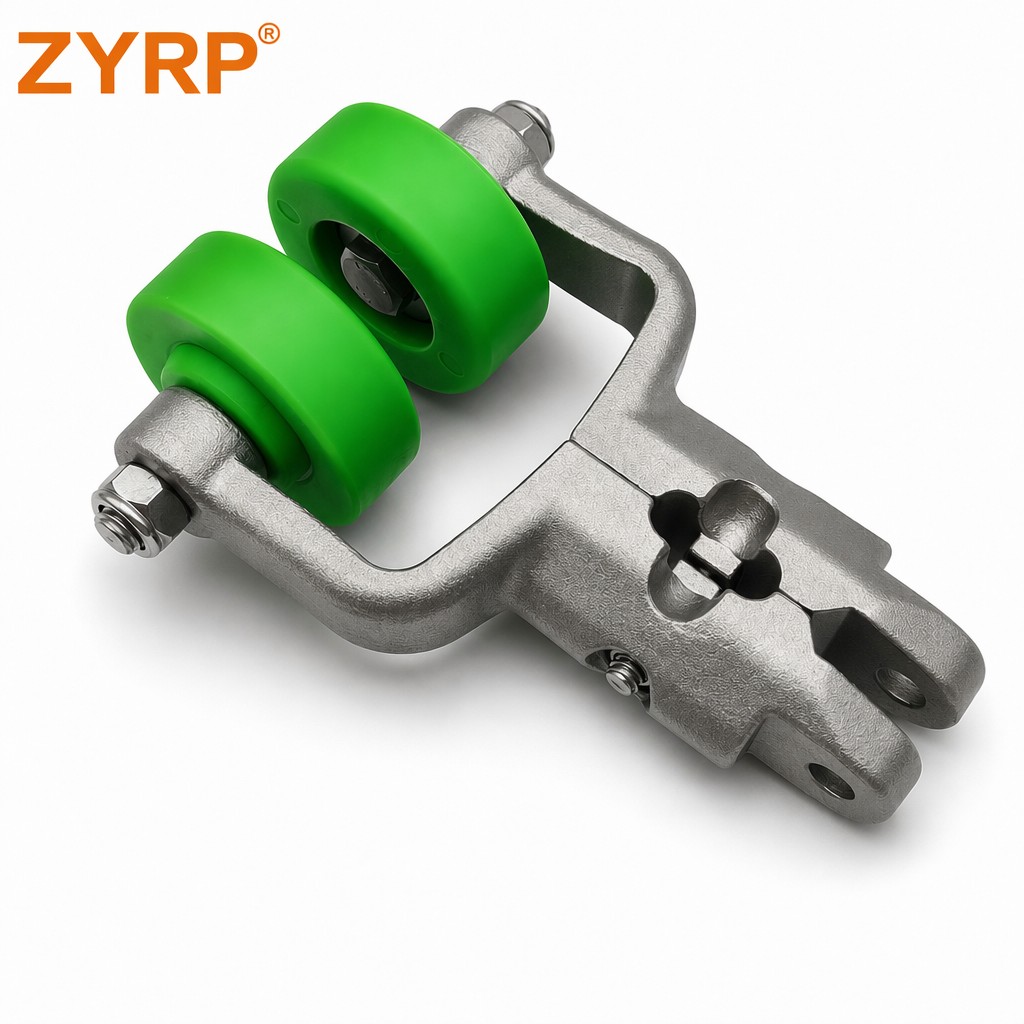
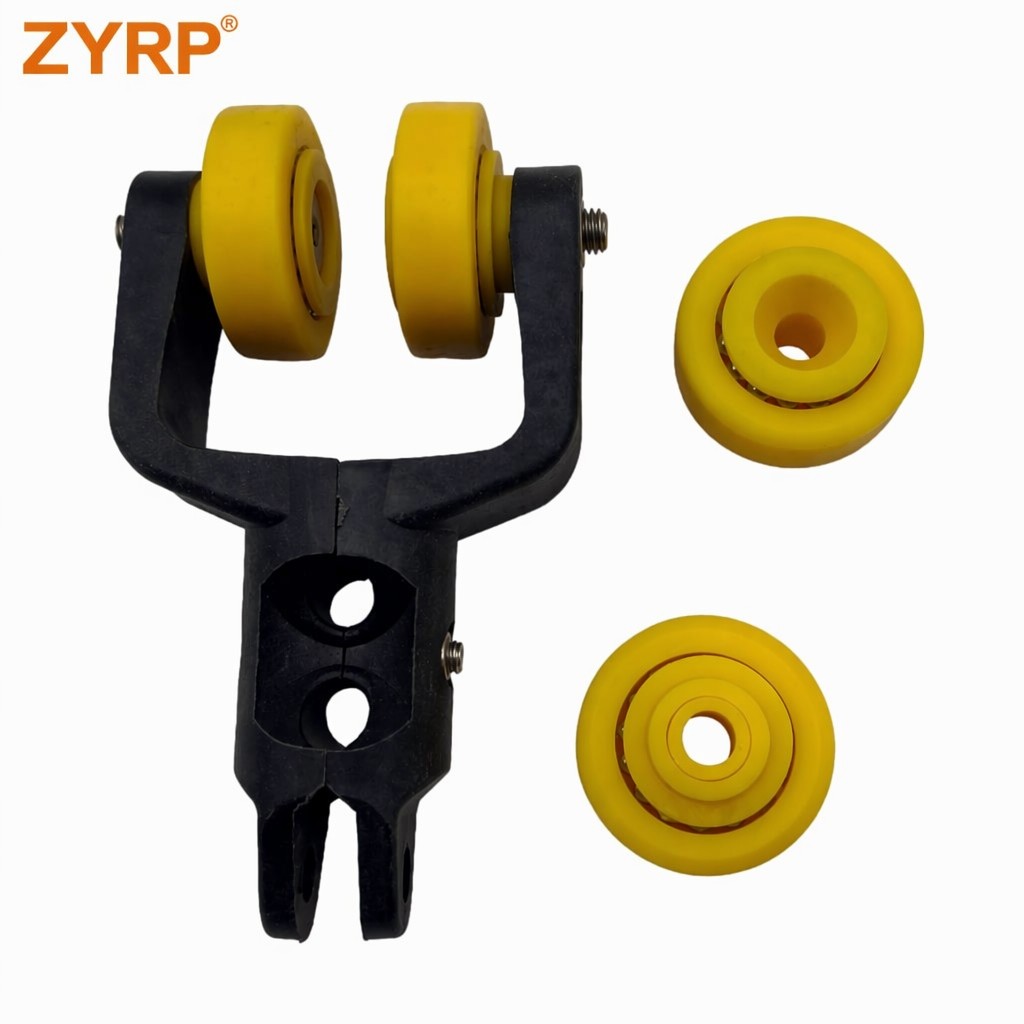
Quality audits for every poultry slaughtering spare part form the backbone of reliable, safe, and efficient processing operations. Every poultry slaughtering spare part circulating through your facility—from conveyor components to cutting mechanisms—directly impacts product safety, worker protection, and production continuity. Without rigorous poultry slaughtering spare part quality audits, you risk equipment failure, regulatory violations, and costly downtime that can disrupt your entire poultry slaughtering production schedule.
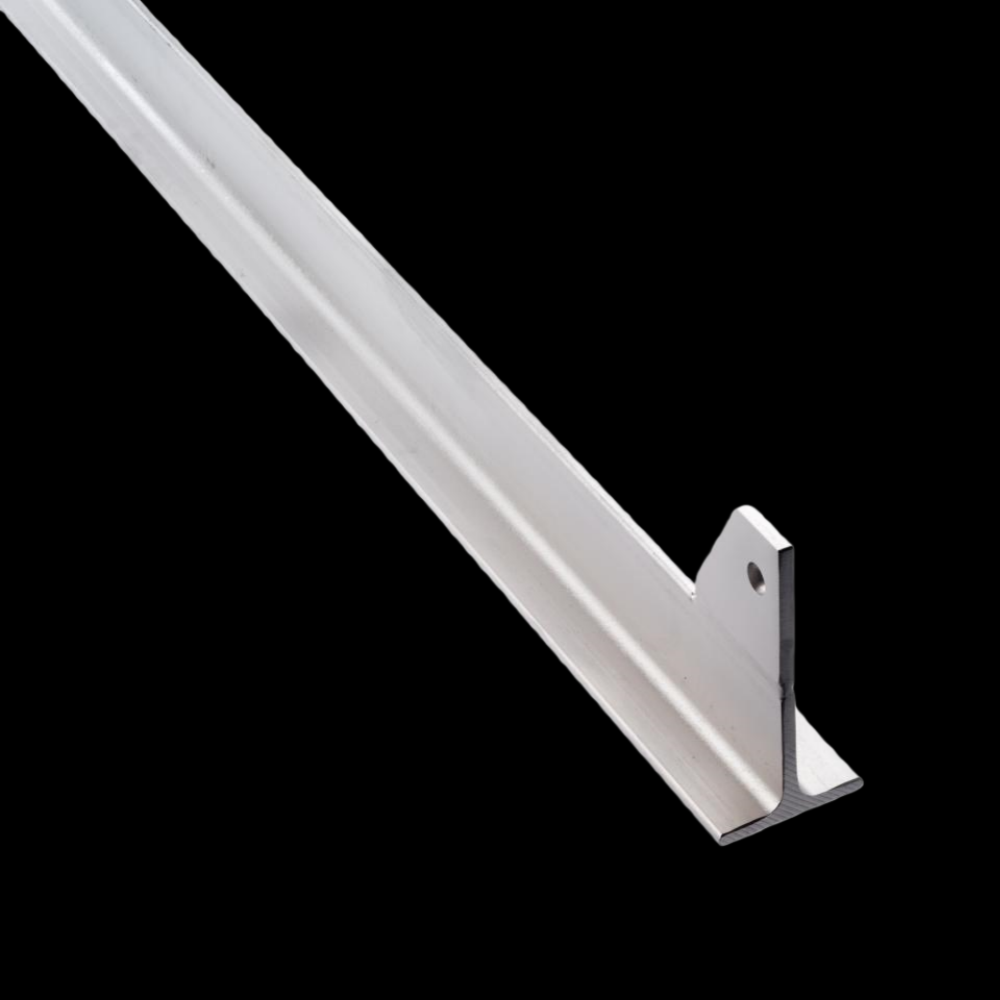
Implementing a structured poultry slaughtering spare part quality audit process ensures that replacement components meet exact specifications, material standards, and performance criteria before installation. These audits verify that each poultry slaughtering spare part maintains dimensional accuracy, corrosion resistance, and mechanical integrity under the demanding conditions of a poultry processing environment. A comprehensive approach to poultry slaughtering spare part inspection protects your investment in poultry slaughtering equipment while maintaining the hygiene and safety standards that regulatory bodies require.
Poultry processing facilities operate under strict regulatory frameworks that govern equipment performance and material safety. Every poultry slaughtering spare part must comply with food safety regulations, including USDA and HACCP standards that mandate component traceability and material certification. Audits verify that your poultry slaughtering spare part inventory comes from suppliers who maintain proper documentation, material certifications, and manufacturing process controls. Non-compliant poultry slaughtering spare part components expose your facility to regulatory fines, product recalls, and potential facility closure.
The poultry slaughtering spare part materials—typically stainless steel, food-grade polymers, or specialized alloys—must resist corrosion, maintain surface cleanliness, and withstand repetitive mechanical stress during slaughtering operations. Quality audits measure dimensional tolerances of each poultry slaughtering spare part against engineering drawings to ensure proper fitment and function. Even minor dimensional deviations in a poultry slaughtering spare part can cause misalignment, accelerated wear, or safety hazards during operation. Systematic measurement protocols catch defects before any poultry slaughtering spare part reaches the production line.
Before any poultry slaughtering spare part enters your inventory, a structured receiving inspection must document material certificates, batch numbers, and manufacturing dates. Quality teams verify that suppliers of your poultry slaughtering spare part maintain ISO certifications, traceability records, and quality management systems aligned with poultry food industry standards. Each incoming poultry slaughtering spare part undergoes visual inspection for surface defects, corrosion, or damage during transit. Establishing approved supplier lists and demanding that every poultry slaughtering spare part carries supplier documentation reduces the risk of counterfeit or substandard poultry slaughtering components entering your facility.
Testing protocols for a poultry slaughtering spare part extend beyond visual inspection to validate mechanical function, load capacity, and operational reliability. Testing equipment simulates the stress conditions that your poultry slaughtering spare part will experience during production runs, identifying potential failure modes before installation. Wear tests on conveyor rollers, blade sharpness assessment on poultry cutting equipment, and pressure testing on hydraulic components confirm that each poultry slaughtering spare part meets performance specifications. Documentation of test results for every poultry slaughtering spare part batch creates an audit trail that supports traceability and regulatory compliance.
A robust poultry slaughtering spare part quality audit requires comprehensive documentation linking each component to its supplier, batch number, test results, and installation location. Digital inventory systems track the lifecycle of every poultry slaughtering spare part from receipt through installation and eventual replacement or disposal. When a poultry slaughtering spare part fails or shows unexpected wear, traceability data enables rapid root cause analysis and prevents similar defects in the rest of your poultry slaughtering inventory. Audit records for each poultry slaughtering spare part demonstrate compliance with food safety regulations during inspections and provide evidence of due diligence in your quality management system.
The audit schedule for your poultry slaughtering spare part program depends on component criticality, usage patterns, and historical failure data. High-wear components such as conveyor bearings or poultry slaughtering processing blades may require monthly poultry slaughtering spare part inventory audits, while structural elements might be audited quarterly or annually. Event-triggered audits activate when equipment failure occurs, when a poultry slaughtering spare part reaches its expected service life, or when new regulatory requirements emerge. A risk-based approach to poultry slaughtering spare part auditing allocates resources toward the components that pose the greatest safety or production risk.
Effective poultry slaughtering spare part audits require trained technicians who understand poultry slaughtering equipment design, material science, and regulatory requirements specific to meat processing. Your audit team must include maintenance staff who understand how each poultry slaughtering spare part functions within the system, quality engineers who verify specifications, and compliance specialists who ensure regulatory alignment. Standard operating procedures for every poultry slaughtering spare part inspection establish consistent criteria, measurement techniques, and decision rules for acceptance or rejection. Training ensures that auditors apply consistent standards when evaluating whether a poultry slaughtering spare part meets quality thresholds.
When audits reveal that a poultry slaughtering spare part fails to meet quality standards, documented corrective actions must address the root cause and prevent recurrence. If supplier defects cause repeated poultry slaughtering spare part failures, corrective actions might include increased incoming inspection intensity, supplier retraining, or alternative sourcing. Audit findings on every poultry slaughtering spare part batch inform supplier performance reviews and help identify opportunities to enhance your procurement specifications. Regular analysis of poultry slaughtering spare part audit data reveals trends in component reliability, enabling preventive improvements before critical failures disrupt poultry slaughtering production.
Audit frequency depends on component criticality and failure history. Critical components like conveyor systems warrant monthly audits, while structural parts may require quarterly or annual reviews. Risk-based scheduling ensures your poultry slaughtering spare part audit program focuses resources on the highest-impact components. Many facilities establish baseline audit cycles and adjust frequency based on historical performance data and poultry regulatory guidance.
Every poultry slaughtering spare part requires supplier certification, manufacturing batch numbers, material test reports, dimensional inspection records, and installation location documentation. This poultry slaughtering spare part traceability enables rapid response if failures occur and demonstrates regulatory compliance during facility audits. Digital systems that track each poultry slaughtering spare part from receipt through retirement ensure complete accountability and support root cause analysis when issues arise.
While some generic components may fit multiple systems, using a poultry slaughtering spare part outside its original application context introduces compatibility risks and voids equipment warranties. Audits must verify that every poultry slaughtering spare part matches your specific equipment specifications and that installation follows manufacturer guidelines. Cross-brand compatibility requires engineering validation before any poultry slaughtering spare part enters your inventory, preventing costly mismatches and performance issues.
 Hot News
2026-09-28
2026-09-21
2026-09-14
2026-09-08
2026-09-01
2026-08-12
Hebei Zunyan Technology provides high-quality poultry processing spare parts for global meat processors. Our stainless steel & plastic eviscerating shackles, chains, and custom CNC components ensure durability, precision, and fast dispatch. 30+ production lines, ISO-aligned quality, 48h shipping. Request quote today.
1901, Unit C19, Tongrui Business Building, Changjiang Sub-district, Yuhua District, Shijiazhuang City, Hebei Province, China
Copyright © 2026 Hebei Zunyan Technology Co., Ltd. All Rights Reserved Privacy Policy
 EN
EN