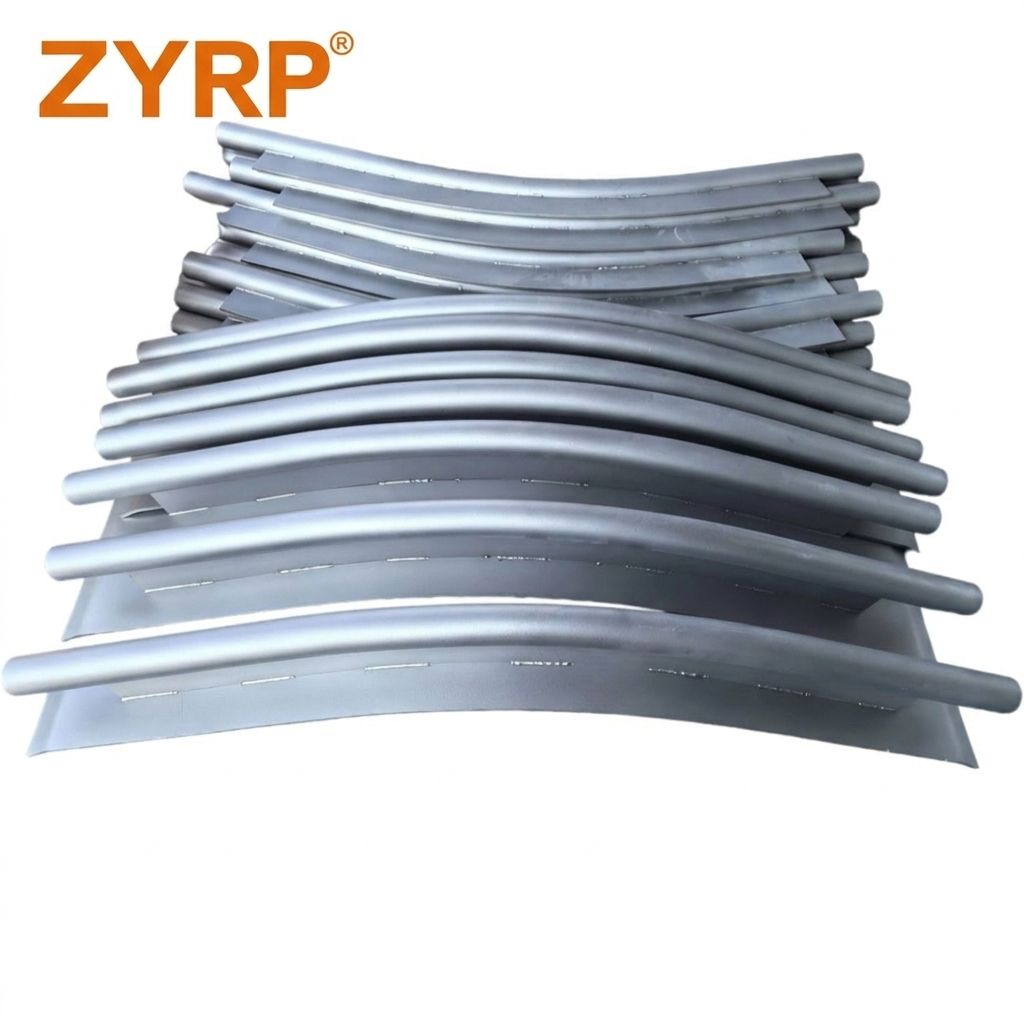
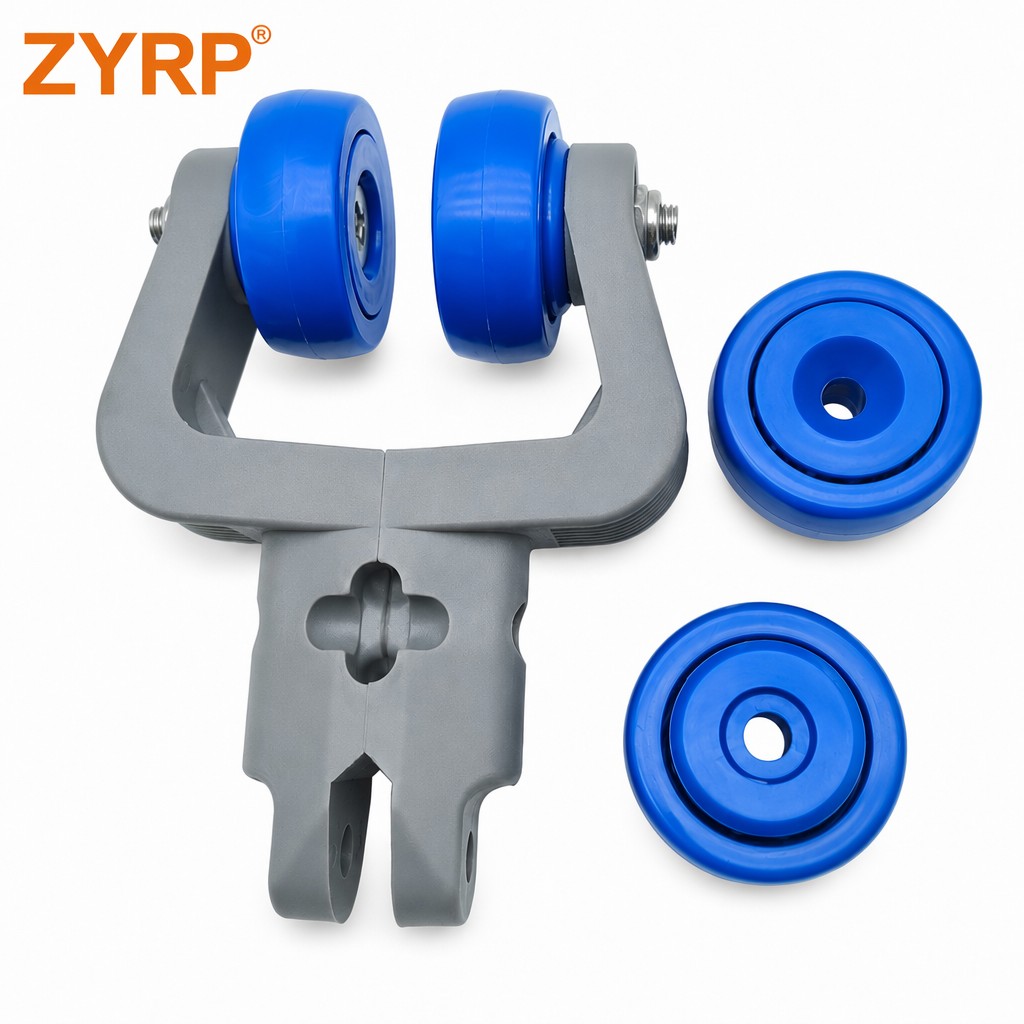
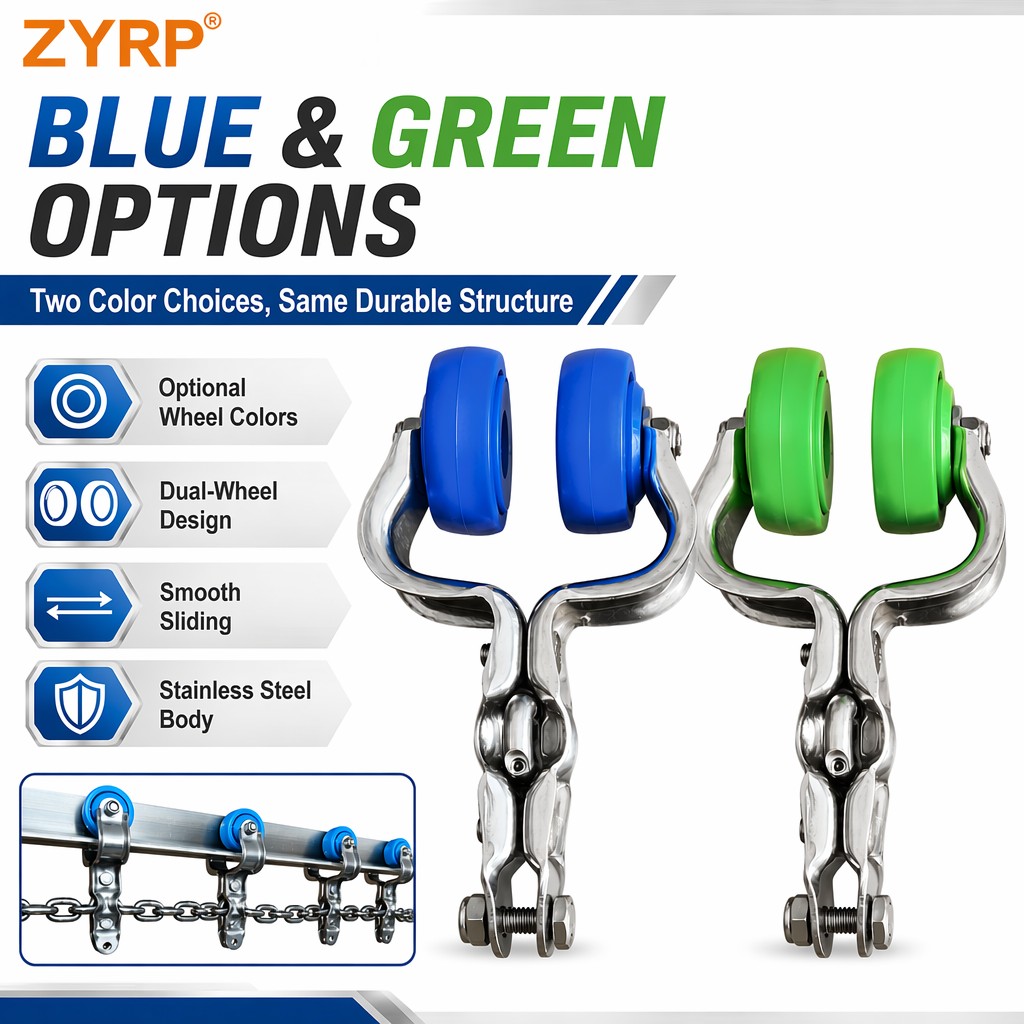
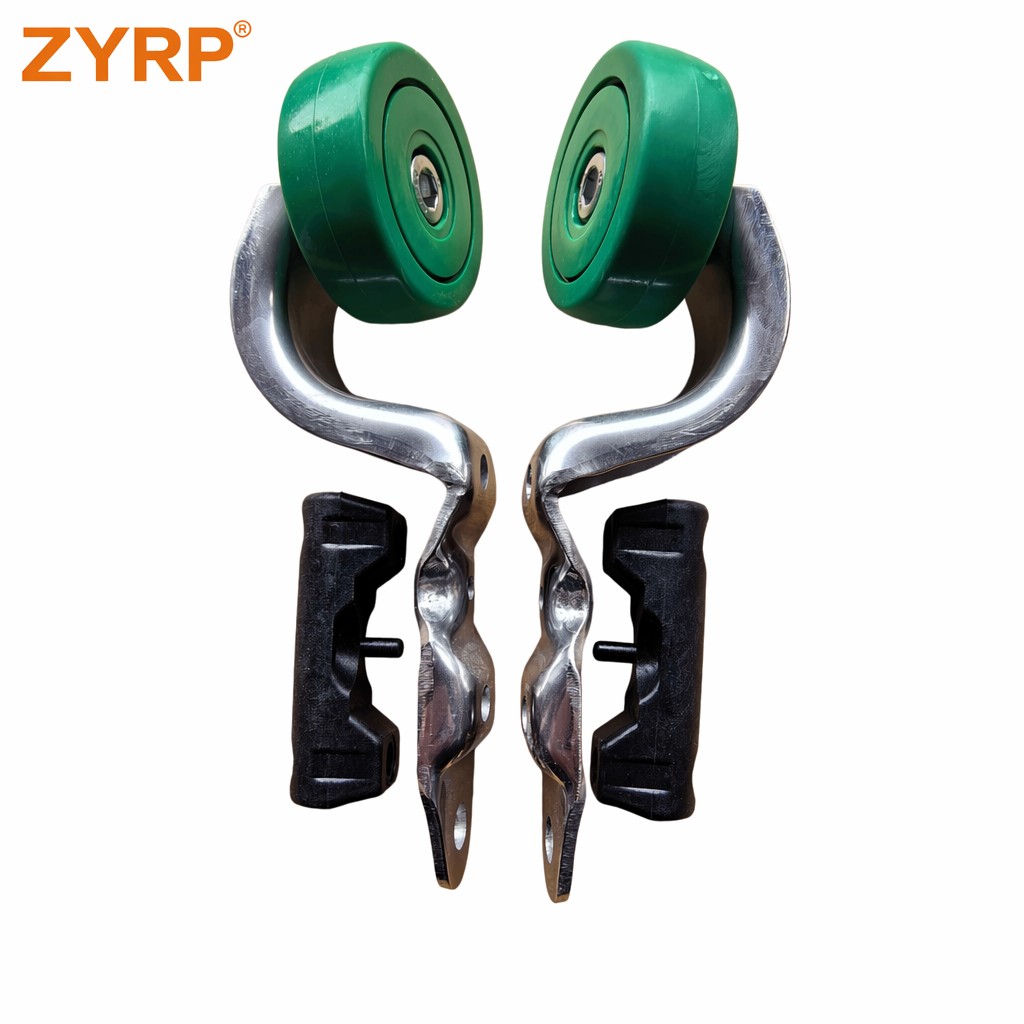
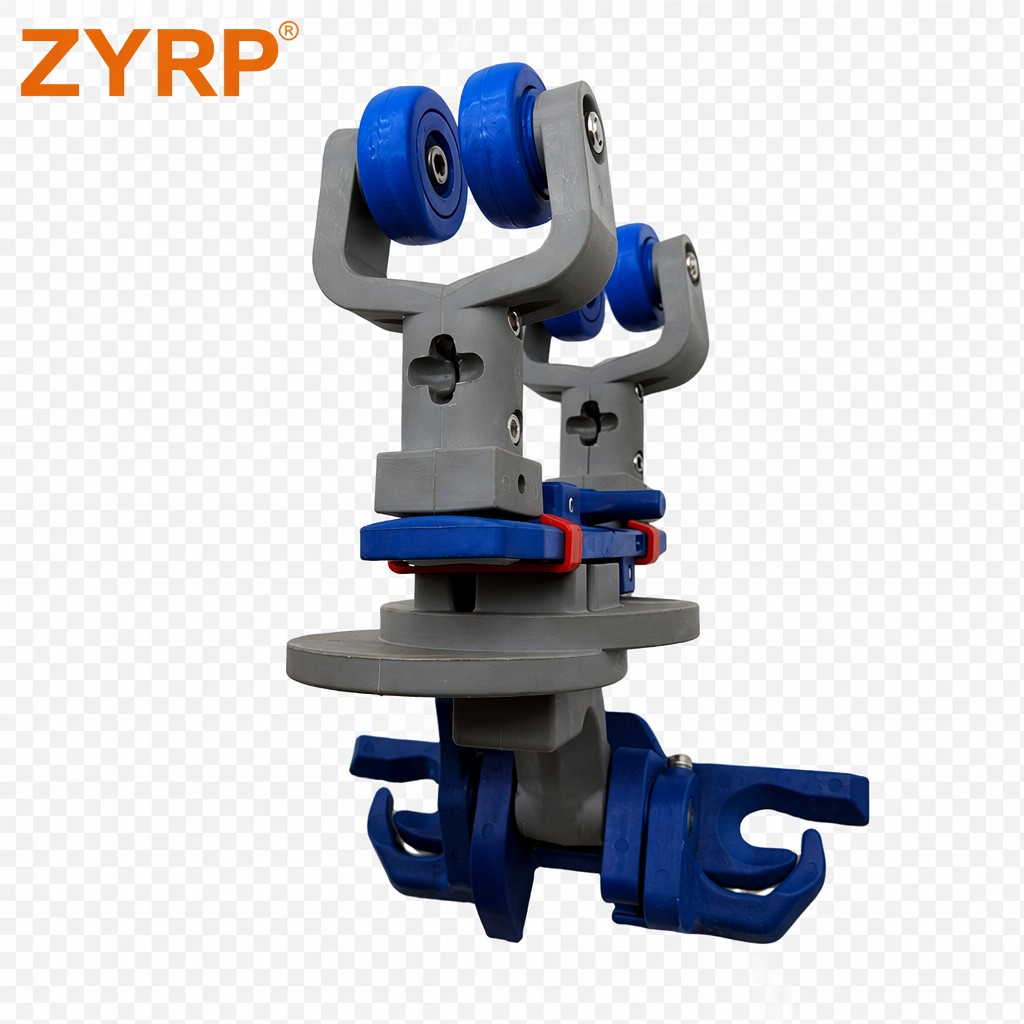
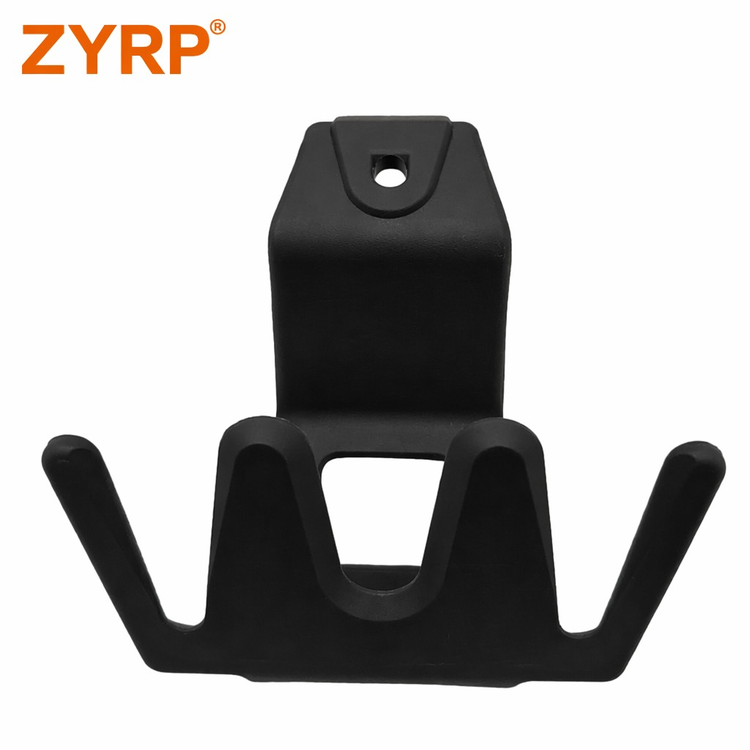
A poultry overhead conveyor trolley is a critical component of modern poultry processing facilities, designed to transport live birds or processed poultry products efficiently through multiple stages of production. Understanding the correct load capacity and handling guidelines for your poultry overhead conveyor trolley is essential to maintain operational safety, equipment longevity, and production efficiency. Improper loading can lead to system failures, safety hazards, and costly downtime that disrupts the entire processing workflow.
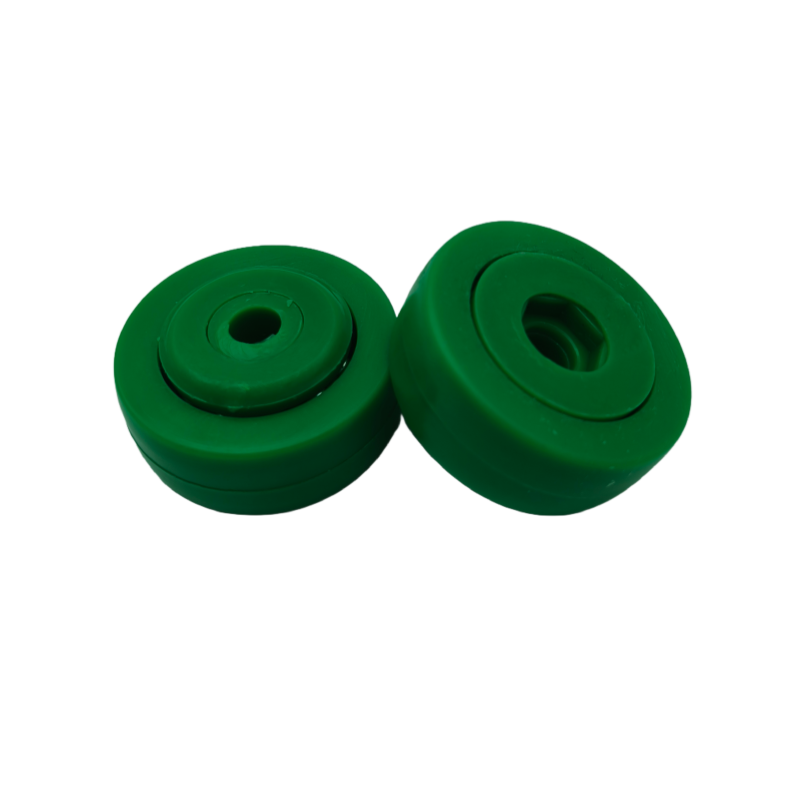
This comprehensive load guide outlines the key factors that influence poultry overhead conveyor trolley capacity, including trolley design specifications, rail system limitations, and industry safety standards. By following these established guidelines, processors can optimize their poultry overhead conveyor trolley systems while protecting equipment and personnel from preventable accidents and operational failures.
Every poultry overhead conveyor trolley has a rated load capacity determined by its structural design, bearing systems, and track specifications. The maximum allowable load for a poultry overhead conveyor trolley depends on multiple engineering factors, including trolley weight, suspension strength, and track gauge configuration. Manufacturers provide specific load ratings for each poultry overhead conveyor trolley model, and these ratings account for both static and dynamic forces experienced during continuous operation.
The poultry overhead conveyor trolley load capacity is typically measured in kilograms or pounds per trolley unit. A standard poultry overhead conveyor trolley used in medium-scale poultry processing facilities often ranges from 150 to 300 kilograms per trolley, though larger industrial installations may support higher capacities. The actual poultry overhead conveyor trolley load your system can handle depends on the specific model, rail system design, and drive mechanism specifications provided by the equipment manufacturer.
The material composition of a poultry overhead conveyor trolley directly affects its load-bearing capability. A poultry overhead conveyor trolley constructed from reinforced steel or aluminum alloy frames will support different weight distributions than frames made from lighter materials. Quality poultry overhead conveyor trolley systems feature precision-engineered suspension components, sealed bearings, and wear-resistant wheels that maintain consistent performance under rated loads.
When evaluating a poultry overhead conveyor trolley for your facility, verify that the trolley construction grade matches your processing volume and product type. A poultry overhead conveyor trolley rated for live bird transport requires different specifications than a trolley designed for processed carcasses or deboned products. The poultry overhead conveyor trolley material grade and manufacturing standard directly influence how long the system maintains safe load capacity before requiring maintenance or replacement.
Effective load distribution is fundamental to safe poultry overhead conveyor trolley operation. Never exceed the maximum rated capacity marked on your poultry overhead conveyor trolley, as this limit accounts for the structural integrity of the trolley frame and suspension system. When loading a poultry overhead conveyor trolley, distribute weight evenly across the trolley deck to prevent tipping, uneven wear, or stress concentration on single support points.
The poultry overhead conveyor trolley should be loaded systematically from front to back and side to side, ensuring that no single area receives concentrated load pressure. Uneven loading of a poultry overhead conveyor trolley can cause premature bearing wear, frame distortion, and potential derailment during transit through the processing line. Supervisors and operators must inspect each poultry overhead conveyor trolley before it enters the main conveyor system to confirm that loads are balanced and secure.
The operating speed of your poultry overhead conveyor trolley system interacts directly with load capacity. A poultry overhead conveyor trolley traveling at higher speeds experiences greater dynamic forces on wheels, bearings, and suspension components. Many facilities reduce effective load capacity when operating the poultry overhead conveyor trolley at maximum speed to prevent acceleration-related failures and ensure worker safety in the production area.
Operators should adjust poultry overhead conveyor trolley speed based on the type and weight of material being transported. A poultry overhead conveyor trolley moving live birds requires lower speeds and smoother acceleration to prevent animal stress and injury. When the poultry overhead conveyor trolley carries heavier processed products, maintain consistent moderate speed to avoid shock loads on the drive system and suspension components.
Preventive maintenance directly impacts how safely a poultry overhead conveyor trolley performs over time. Regular inspection of bearing condition, wheel wear, and frame integrity ensures that your poultry overhead conveyor trolley continues to operate within designed load parameters. A poultry overhead conveyor trolley that has not been properly maintained may lose structural capacity and become unsafe to operate at standard loads.
Establish a routine maintenance schedule for every poultry overhead conveyor trolley in your system, including bearing lubrication, wheel alignment verification, and frame surface inspections. Check for cracks, deformation, or corrosion on your poultry overhead conveyor trolley that could compromise load-bearing ability. Replace wheels and bearing assemblies on a poultry overhead conveyor trolley according to manufacturer recommendations to maintain original load capacity ratings.
Each poultry overhead conveyor trolley should be clearly marked with its maximum load capacity and manufacturing date for easy reference by operators. Keep detailed maintenance records for every poultry overhead conveyor trolley, documenting repairs, component replacements, and any incidents involving load failure or equipment damage. If a poultry overhead conveyor trolley has been involved in an accident or has sustained visible damage, have it professionally inspected before returning it to full-load service.
When adding new poultry overhead conveyor trolley units to your facility, verify capacity ratings and integration compatibility with your existing rail system. A poultry overhead conveyor trolley must match the track specifications, drive system requirements, and facility layout to ensure safe and efficient operation across your entire processing line.
The typical load capacity for a standard poultry overhead conveyor trolley ranges from 150 to 300 kilograms per unit, depending on the specific design and manufacturing specifications. Larger industrial poultry overhead conveyor trolley systems may support higher capacities, while smaller facilities may use trolleys with lower ratings. Always consult the manufacturer's specifications for your poultry overhead conveyor trolley model to determine the exact maximum load capacity.
No, exceeding the rated load capacity of your poultry overhead conveyor trolley is dangerous and can cause equipment failure, personal injury, and production disruptions. The poultry overhead conveyor trolley load rating is engineered based on structural analysis and safety factors, so operating beyond this limit compromises system integrity. Always respect the maximum load specification for your poultry overhead conveyor trolley to ensure safe and reliable operation.
Inspect each poultry overhead conveyor trolley at least weekly for signs of wear, damage, or deformation that could affect load capacity. Heavy-use poultry overhead conveyor trolley systems may require daily visual inspections and monthly detailed maintenance checks. Professional service technicians should thoroughly evaluate your poultry overhead conveyor trolley system quarterly to identify developing issues before they compromise safety or performance.
 Hot News
2026-09-28
2026-09-21
2026-09-14
2026-09-08
2026-09-01
2026-08-12

Hebei Zunyan Technology provides high-quality poultry processing spare parts for global meat processors. Our stainless steel & plastic eviscerating shackles, chains, and custom CNC components ensure durability, precision, and fast dispatch. 30+ production lines, ISO-aligned quality, 48h shipping. Request quote today.
1901, Unit C19, Tongrui Business Building, Changjiang Sub-district, Yuhua District, Shijiazhuang City, Hebei Province, China
Copyright © 2026 Hebei Zunyan Technology Co., Ltd. All Rights Reserved Privacy Policy
 EN
EN