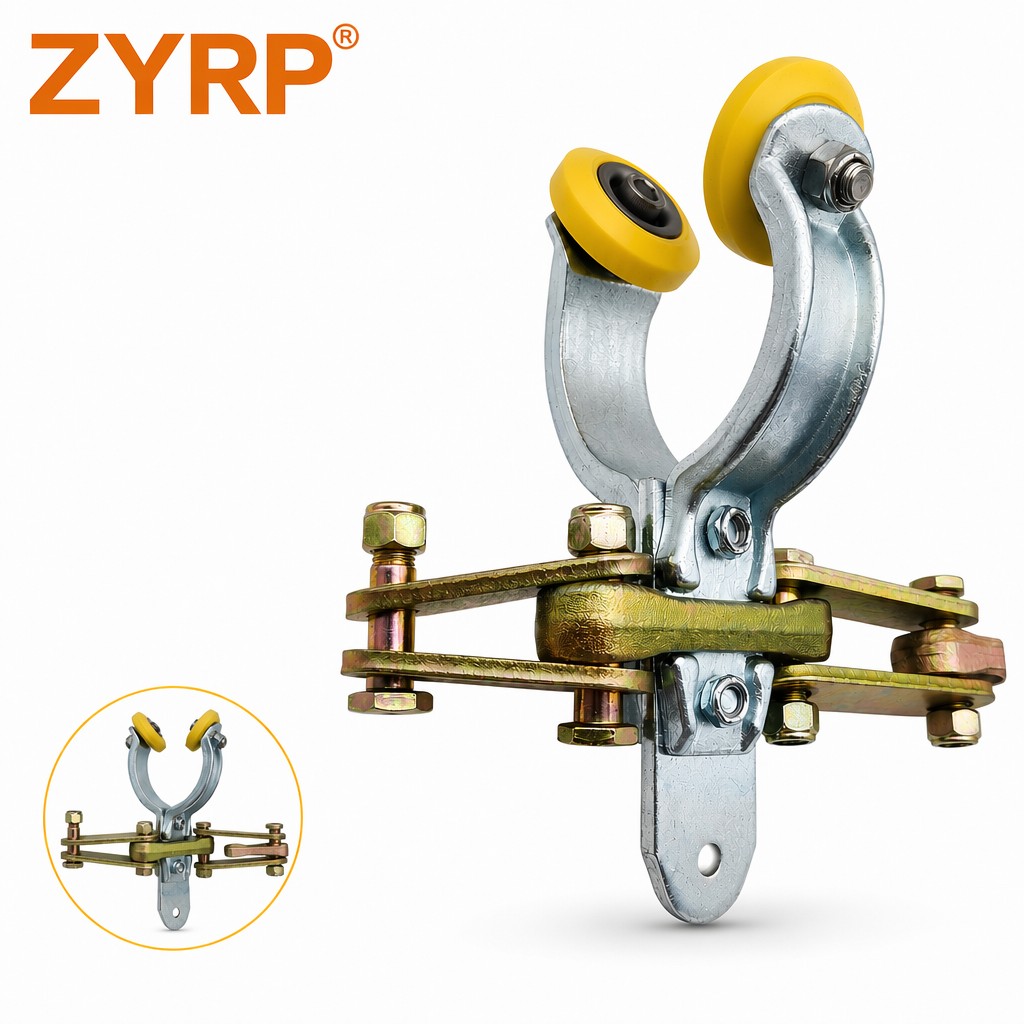
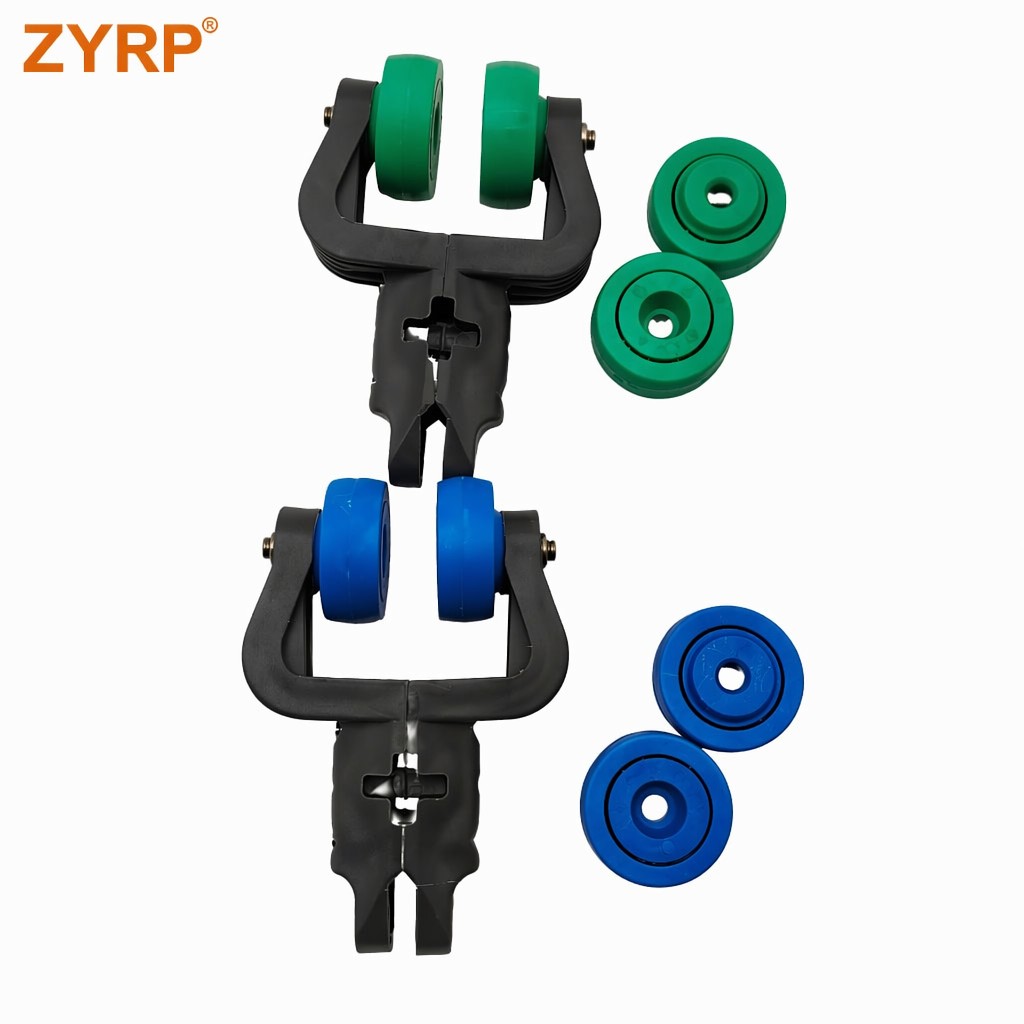
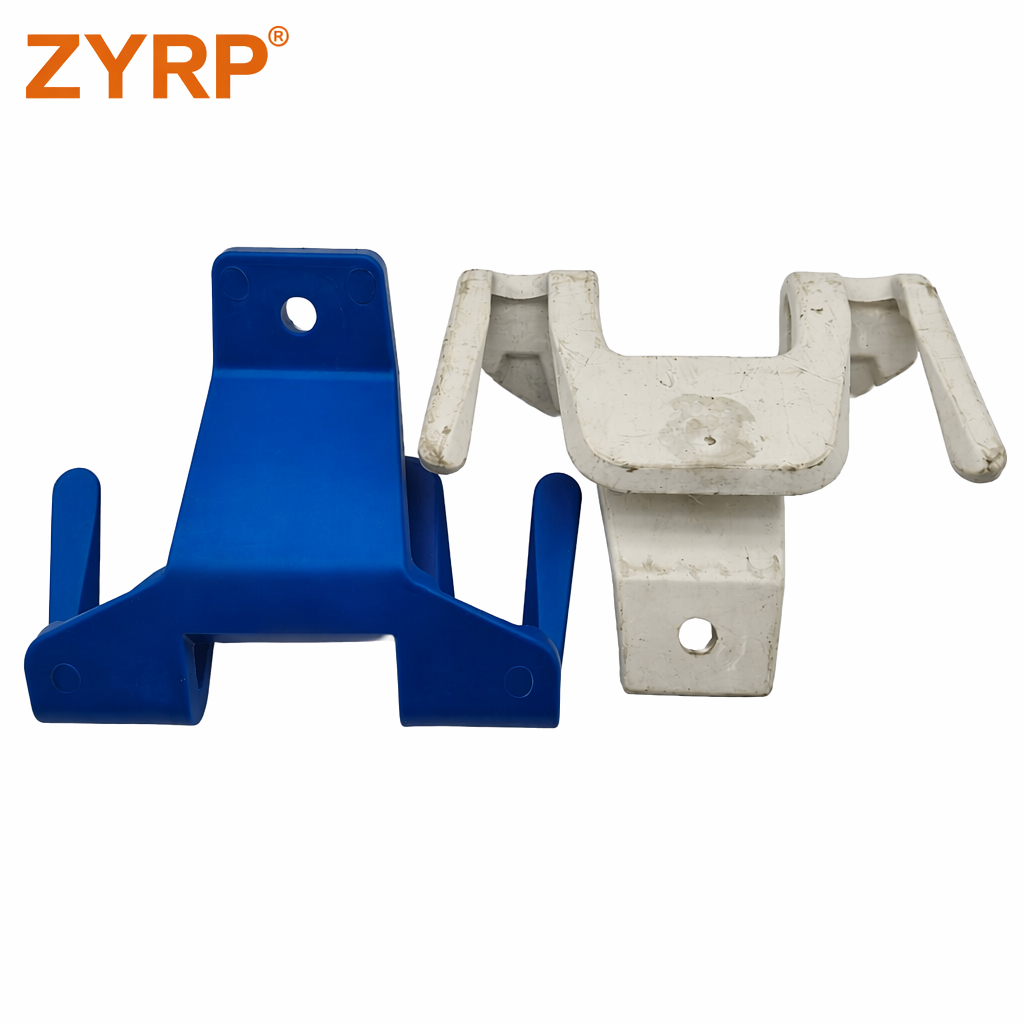
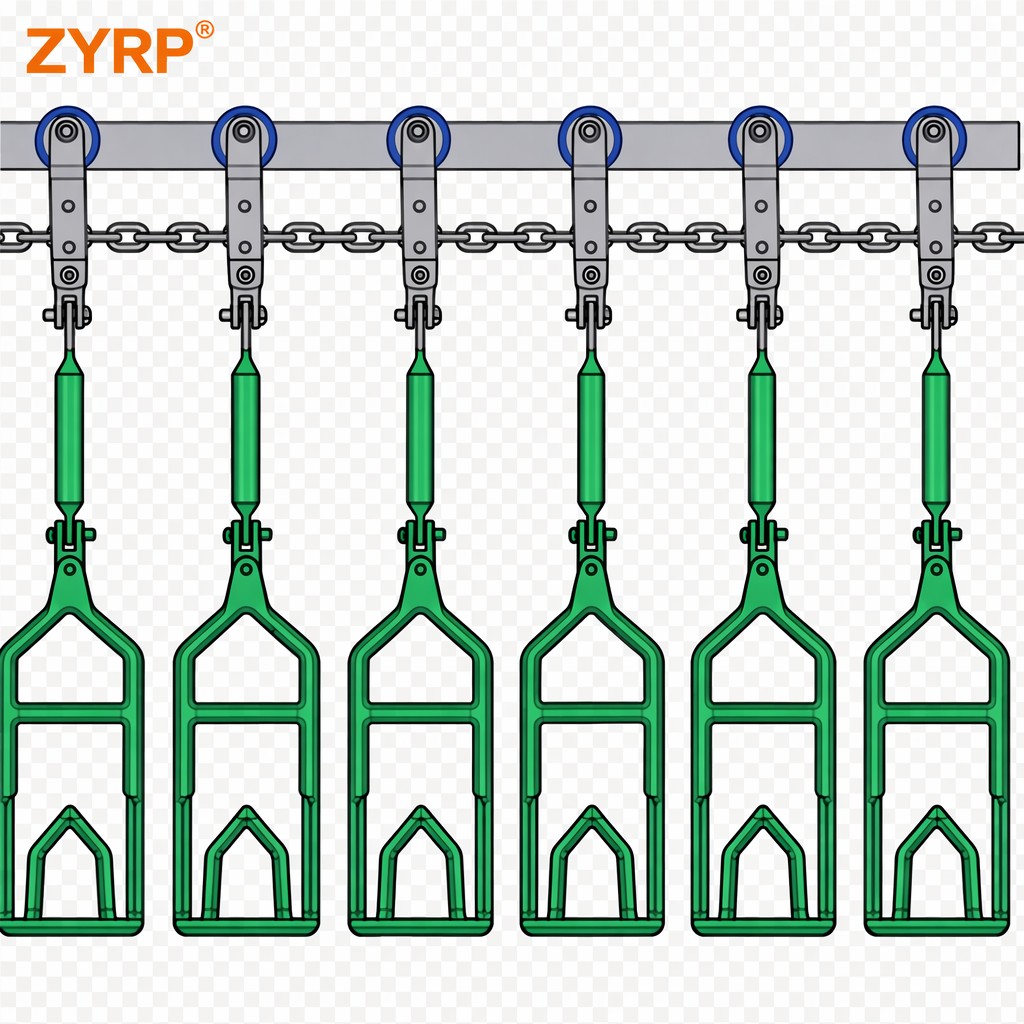
Preventing poultry trolley roller bearing failure represents one of the most significant operational challenges facing modern slaughterhouses and processing facilities. The poultry trolley roller bearing system operates under extreme conditions, including continuous motion, heavy loads, moisture exposure, and temperature fluctuations that accelerate wear and degradation. Understanding the root causes of poultry trolley roller bearing failure is essential for facility managers who want to maintain consistent production schedules and achieve effective bearing failure prevention that directly impacts profitability.
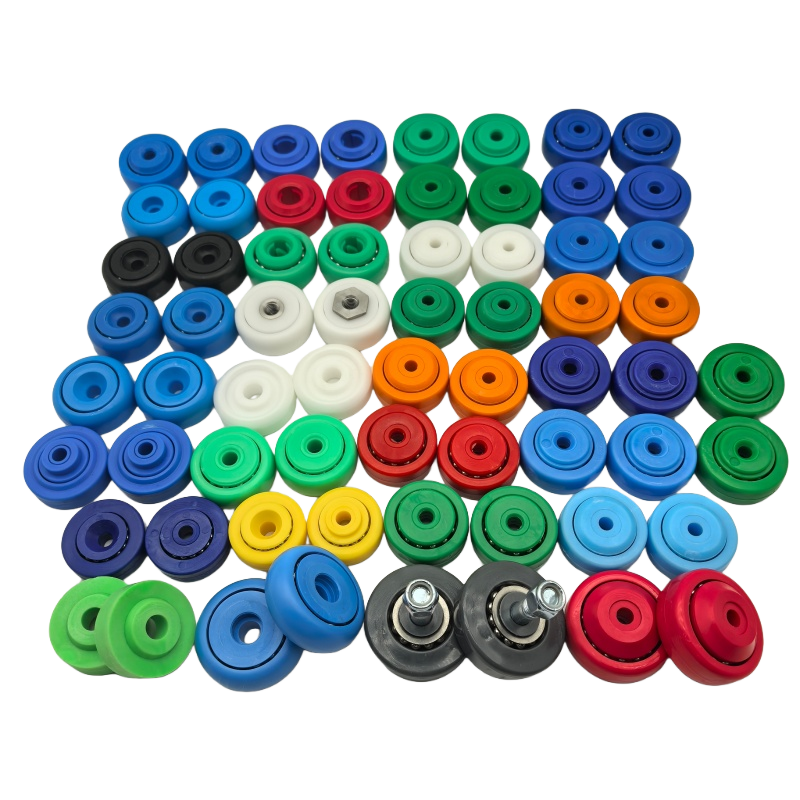
The consequences of poultry trolley roller bearing failure and bearing degradation extend beyond simple component replacement costs. When a poultry trolley roller bearing failure halts an entire processing line, cascading delays occur throughout the facility, compromising product quality and food safety standards. This poultry processing bearing analysis examines the mechanical, environmental, and operational factors that contribute to component breakdown, providing plant operators with actionable insights into bearing failure prevention and predictive maintenance poultry strategies.
The poultry trolley roller bearing system experiences highly variable load conditions throughout each operational cycle. Birds suspended on overhead conveyors create dynamic lateral forces that distribute unevenly across bearing surfaces, particularly at curve sections and directional transitions. A poultry trolley roller bearing designed for standard loading conditions may experience peak stresses that exceed design parameters by 40 to 60 percent during peak production periods when line speed increases.
The geometry of the poultry trolley roller bearing mounting configuration directly influences how loads distribute across rolling elements and raceways. Misalignment of even 0.5 millimeters can concentrate stress on specific bearing components, accelerating localized wear patterns that eventually cascade into catastrophic poultry trolley roller bearing failure. Facilities that fail to implement regular bearing alignment checks often discover excessive wear only after visible signs of degradation appear, missing a crucial window for early intervention.
Modern poultry processing lines operate at conveyor speeds ranging from 50 to 120 birds per minute, translating to sustained poultry trolley roller bearing rotation speeds of 200 to 400 revolutions per minute depending on roller diameter. At these sustained speeds, the poultry trolley roller bearing generates significant heat through rolling friction and cage-roller contact stress. Temperature elevation in poorly lubricated or aging poultry trolley roller bearing assemblies can reach 80 to 120 degrees Celsius, approaching thermal stability limits.
The friction coefficient increases substantially when lubrication film thickness drops below critical levels, accelerating thermal runaway. When micro-slip occurs between rolling elements and raceways, the poultry trolley roller bearing experiences spalling initiation that creates surface fatigue cracks, ultimately leading to a complete poultry trolley roller bearing failure that halts the entire line.
Poultry processing environments create some of the harshest conditions for mechanical equipment, with continuous water spray, humidity levels exceeding 95 percent, and low ambient temperatures. The poultry trolley roller bearing encounters direct water exposure multiple times each shift, which penetrates seals and compromises lubricant effectiveness. While stainless steel elements resist corrosion better than carbon steel, corrosion pitting still initiates on raceway surfaces when moisture persists under load zones.
Corrosion in the poultry trolley roller bearing material creates stress concentration points where fatigue cracks initiate at loads 30 to 50 percent lower than nominal design values. Facilities using chlorine-based sanitization protocols experience accelerated corrosion, triggering early poultry trolley roller bearing failure. The interaction between corrosion pits, stress concentration, and repeated loading creates a compounding failure mechanism where the bearing degrades exponentially over time.
Lubricant condition represents the single most critical variable controlling poultry trolley roller bearing service life. Water ingress, protein residue accumulation, and oxidation transform fresh lubricant into a degraded paste within months of continuous use. The poultry trolley roller bearing lubrication loses viscosity as water content increases, reducing film thickness and causing metal-to-metal contact that generates rapid wear and heat generation.
Protein and organic contamination in the lubricant create acidic compounds that chemically attack rolling element surfaces. Implementing regular inspection and relubrication protocols significantly aids in bearing failure prevention, reducing poultry trolley roller bearing failure rates by 60 to 75 percent compared to quarterly maintenance schedules.
Processing facilities can achieve reliable bearing failure prevention through systematic monitoring of vibration signatures, acoustic emissions, and temperature profiles. Conducting a comprehensive poultry processing bearing analysis allows technicians to identify early-stage spalling. A poultry trolley roller bearing experiencing fatigue generates distinctive high-frequency vibration peaks that ultrasonic monitoring equipment can detect 2 to 4 weeks before catastrophic poultry trolley roller bearing failure occurs.
Visual inspection protocols should include scheduled examination of poultry trolley roller bearing housings for evidence of grease leakage, seal degradation, or surface rust. Technicians implementing predictive maintenance poultry practices should record bearing temperature readings at regular intervals. Documenting these trends enables planned replacement during maintenance windows rather than responding to emergency breakdowns.
Optimal bearing failure prevention requires selecting bearing materials specifically engineered for wet, contaminated environments. Ceramic hybrid bearings in the poultry trolley roller bearing assembly offer superior corrosion resistance and thermal stability, extending service life by 40 to 50 percent. The total cost of ownership for premium components remains substantially lower than repeated replacement cycles caused by continuous poultry trolley roller bearing failure.
Installation procedures critically influence long-term performance. Facilities executing predictive maintenance poultry strategies should establish standardized installation protocols that specify mounting torque values, alignment verification procedures, and initial lubrication amounts for every poultry trolley roller bearing position. Technicians must verify that bearing housings accommodate proper sealing without creating mechanical interference that compromises internal clearances.
The primary causes of poultry trolley roller bearing failure include inadequate lubrication from moisture contamination, protein buildup, corrosion from wet environments, misalignment creating uneven load distribution, thermal stress from high-speed rotation, and mechanical fatigue. A thorough poultry processing bearing analysis reveals that multiple failure mechanisms often act simultaneously to accelerate degradation.
Best practices for bearing failure prevention recommend visual inspection of the poultry trolley roller bearing weekly, lubrication and contamination purging every two weeks, and comprehensive evaluation monthly. Maintenance schedules should adjust based on actual production loads, ambient conditions, and historical poultry trolley roller bearing failure patterns specific to each facility.
Yes, adopting predictive maintenance poultry strategies—including temperature monitoring, vibration analysis, and acoustic detection—reduces emergency poultry trolley roller bearing failure rates by 70 to 85 percent compared to reactive approaches. Early detection prevents cascading failures where bearing collapse damages adjacent conveyor components, significantly improving overall facility reliability.
 Hot News
2026-09-28
2026-09-21
2026-09-14
2026-09-08
2026-09-01
2026-08-12

Hebei Zunyan Technology provides high-quality poultry processing spare parts for global meat processors. Our stainless steel & plastic eviscerating shackles, chains, and custom CNC components ensure durability, precision, and fast dispatch. 30+ production lines, ISO-aligned quality, 48h shipping. Request quote today.
1901, Unit C19, Tongrui Business Building, Changjiang Sub-district, Yuhua District, Shijiazhuang City, Hebei Province, China
Copyright © 2026 Hebei Zunyan Technology Co., Ltd. All Rights Reserved Privacy Policy
 EN
EN