In the poultry industry, the efficiency and reliability of your poultry processing tools directly impact production speed, product quality, and operational costs. Whether you operate a small processing facility or a large-scale operation, your poultry processing tools represent a significant investment that demands proper care and strategic maintenance. Understanding how to extend the longevity of poultry processing tools can reduce replacement expenses, minimize downtime, and ensure consistent output quality across your production lines.
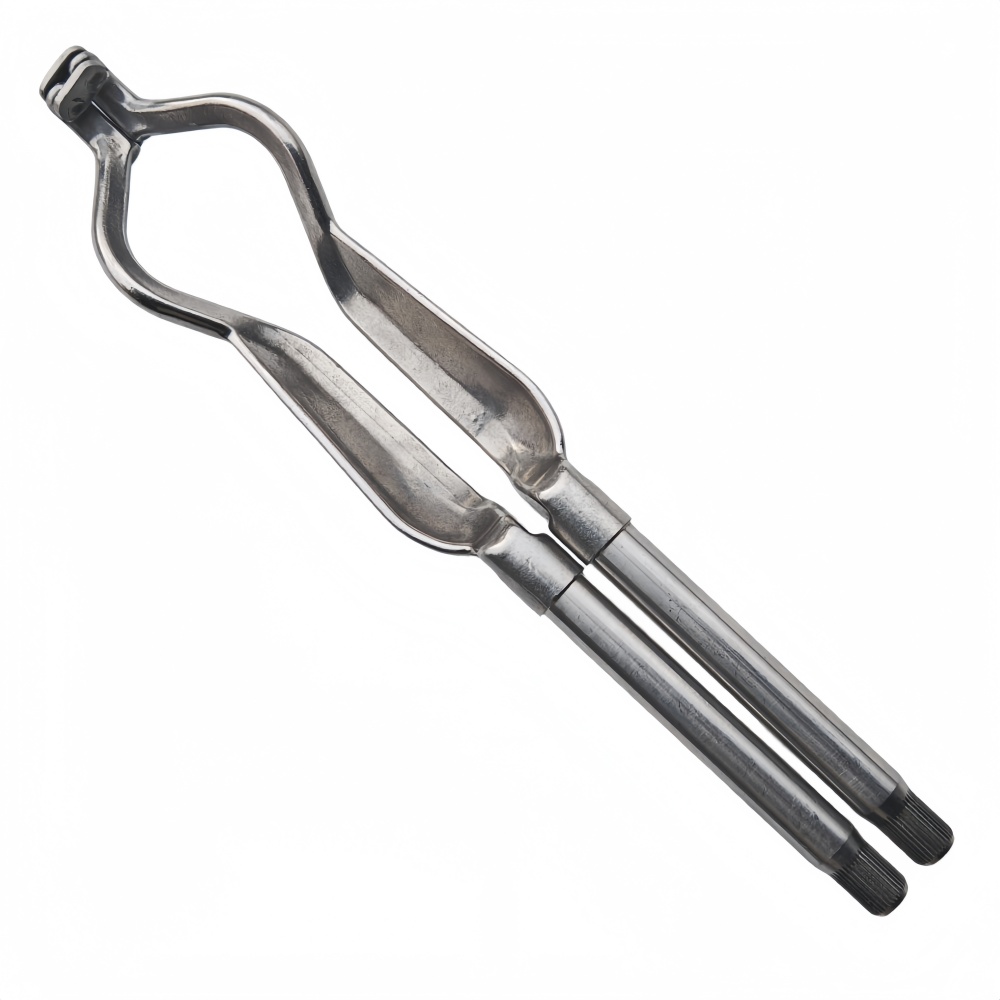
Effective management of poultry processing tools requires a comprehensive approach combining regular inspections, preventive maintenance, proper cleaning protocols, and operator training. By implementing best practices for poultry processing tools care, facilities can dramatically extend equipment lifespan, reduce unexpected failures, and maintain food safety compliance standards. This guide explores actionable strategies that help your poultry processing tools perform optimally throughout their operational life.
Establishing a routine inspection schedule is one of the most cost-effective ways to protect your poultry processing tools investment. Daily visual checks should focus on identifying wear patterns, loose components, corrosion, or unusual vibration in your poultry processing tools. Trained operators who understand the normal performance baseline can quickly spot deviations that signal potential problems before they escalate into costly breakdowns affecting your production line.
Maintaining detailed logs of all poultry processing tools inspections, repairs, and maintenance activities creates a historical performance record invaluable for predicting future service needs. By tracking specific issues with individual poultry processing tools components, facility managers can identify recurring problems, plan preventive interventions, and optimize replacement schedules. This data-driven approach transforms poultry processing tools maintenance from reactive crisis management to proactive operational planning.
Poultry processing tools accumulate organic material, blood, fat, and tissue residue during normal operation, creating environments where bacterial growth thrives and corrosion accelerates. Proper cleaning protocols for poultry processing tools must balance thorough sanitation with material protection, using appropriate water temperature and pressure levels that remove contaminants without damaging precision components. High-pressure washing, when improperly applied to poultry processing tools, can force moisture into sealed bearing areas and electronic components, causing premature failure.
After cleaning, appropriate lubrication of moving parts in your poultry processing tools prevents rust formation, reduces friction wear, and maintains smooth operation. Food-grade lubricants designed for poultry processing tools environments must meet sanitation standards while providing reliable protection. Protective coatings and stainless steel components on critical poultry processing tools surfaces significantly reduce corrosion rates in humid, wet processing environments where exposure to salt, cleaning chemicals, and continuous moisture accelerates deterioration.
Improper operation represents one of the leading causes of premature failure in poultry processing tools systems. Comprehensive training programs teaching correct usage techniques, load limits, speed adjustments, and emergency procedures directly extend equipment lifespan while improving safety outcomes. Operators who understand how specific poultry processing tools function recognize warning signs earlier and can make real-time adjustments preventing damage before it occurs, protecting your facility's productivity.
Every piece of poultry processing tools equipment has designed operational parameters specifying maximum loads, speed ranges, and duty cycles within which components maintain rated performance. Consistently exceeding these parameters with your poultry processing tools accelerates wear in motors, drive systems, bearings, and structural components. Understanding the relationship between processing volume, equipment capacity, and maintenance requirements helps facility managers optimize poultry processing tools utilization while respecting design limitations that protect long-term durability.
Moving beyond reactive repair toward scheduled preventive maintenance dramatically improves poultry processing tools reliability and extends operational life. A comprehensive preventive maintenance program for poultry processing tools includes regular bearing inspections, drive belt checks, seal replacements, and component testing performed during planned downtime rather than emergency situations. This approach reduces total cost of ownership for your poultry processing tools by preventing catastrophic failures that require expensive emergency repairs and extended production interruptions affecting revenue.
Within complex poultry processing tools systems, certain components experience greater stress and wear than others, requiring more frequent attention and replacement cycles. Bearings, seals, drive belts, and connecting linkages represent high-wear elements in most poultry processing tools configurations that benefit from proactive replacement before failure occurs. By establishing replacement schedules based on manufacturer recommendations and historical performance data specific to your facility, you optimize poultry processing tools longevity while maintaining consistent operational reliability and food safety standards.
When replacing worn poultry processing tools components, facilities should evaluate whether upgraded materials or designs offer improved durability in their specific operating environment. Stainless steel or specialty alloy replacements for standard steel components in your poultry processing tools may cost more initially but provide extended service life in corrosive wet environments. Modern bearing designs and sealed connector upgrades for poultry processing tools can significantly reduce maintenance frequency while improving overall system reliability and productivity.
The poultry processing environment exposes tools to extreme temperature fluctuations, high humidity, and corrosive airborne particles that accelerate degradation of metal components and electronic systems. Strategic facility design incorporating proper ventilation, moisture control, and climate management directly protects your investment in poultry processing tools equipment. Environmental modifications reducing humidity levels and salt concentration in the air surrounding poultry processing tools equipment extends component life while reducing rust formation and electrical system failures.
Facilities with seasonal processing patterns must implement proper storage protocols for idle poultry processing tools to prevent deterioration during extended shutdown periods. Cleaned and lubricated equipment stored in climate-controlled environments experiences far less corrosion and component degradation than poultry processing tools left exposed to weather and environmental contaminants. Pre-season maintenance inspections before resuming operation with your poultry processing tools ensure all systems function correctly and identify any issues developed during storage before they impact production scheduling.
Daily visual inspections by operators combined with detailed maintenance reviews at least monthly help catch emerging issues early. High-use poultry processing tools may require more frequent formal inspections depending on processing volume and operating conditions, with quarterly comprehensive evaluations recommended for most facilities to ensure poultry processing tools remain in optimal condition.
Consistent, proper cleaning combined with appropriate lubrication represents the single most impactful maintenance practice for poultry processing tools. Since contamination and corrosion drive most premature failures in food processing environments, maintaining cleanliness and protective coatings on your poultry processing tools directly translates to extended equipment life and reliable performance.
Yes, investing in higher-quality materials and designs for replacement components in your poultry processing tools frequently reduces total cost of ownership by minimizing repeat failures and maintenance frequency. Premium stainless steel, sealed bearings, and advanced materials engineered for food processing significantly extend intervals between replacements for poultry processing tools, reducing labor costs and production disruptions while improving operational reliability.
 Hot News
2026-09-28
2026-09-21
2026-09-14
2026-09-08
2026-09-01
2026-08-12

Hebei Zunyan Technology provides high-quality poultry processing spare parts for global meat processors. Our stainless steel & plastic eviscerating shackles, chains, and custom CNC components ensure durability, precision, and fast dispatch. 30+ production lines, ISO-aligned quality, 48h shipping. Request quote today.
1901, Unit C19, Tongrui Business Building, Changjiang Sub-district, Yuhua District, Shijiazhuang City, Hebei Province, China
Copyright © 2026 Hebei Zunyan Technology Co., Ltd. All Rights Reserved Privacy Policy
 EN
EN