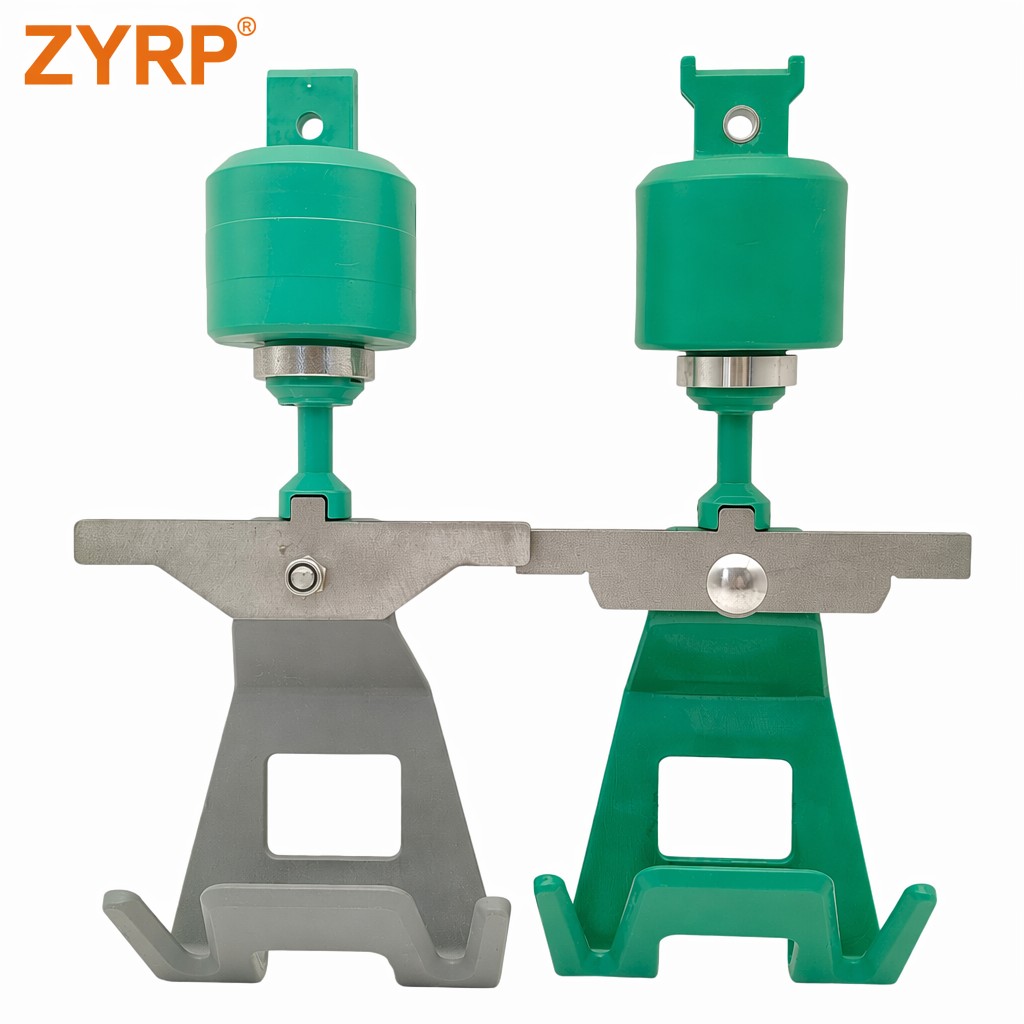
Selecting the right poultry processing tools goes far beyond functionality and efficiency. Poultry processing tools material compliance stands as one of the most critical considerations in modern poultry operations, directly impacting product safety, regulatory adherence, and operational longevity. Facilities that fail to prioritize material standards risk contamination incidents, failed inspections, and costly recalls that damage reputation and profitability. Understanding what makes FDA compliant poultry equipment and poultry processing tools compliant with food safety regulations is essential for any operation seeking to maintain a competitive advantage while protecting consumer welfare.
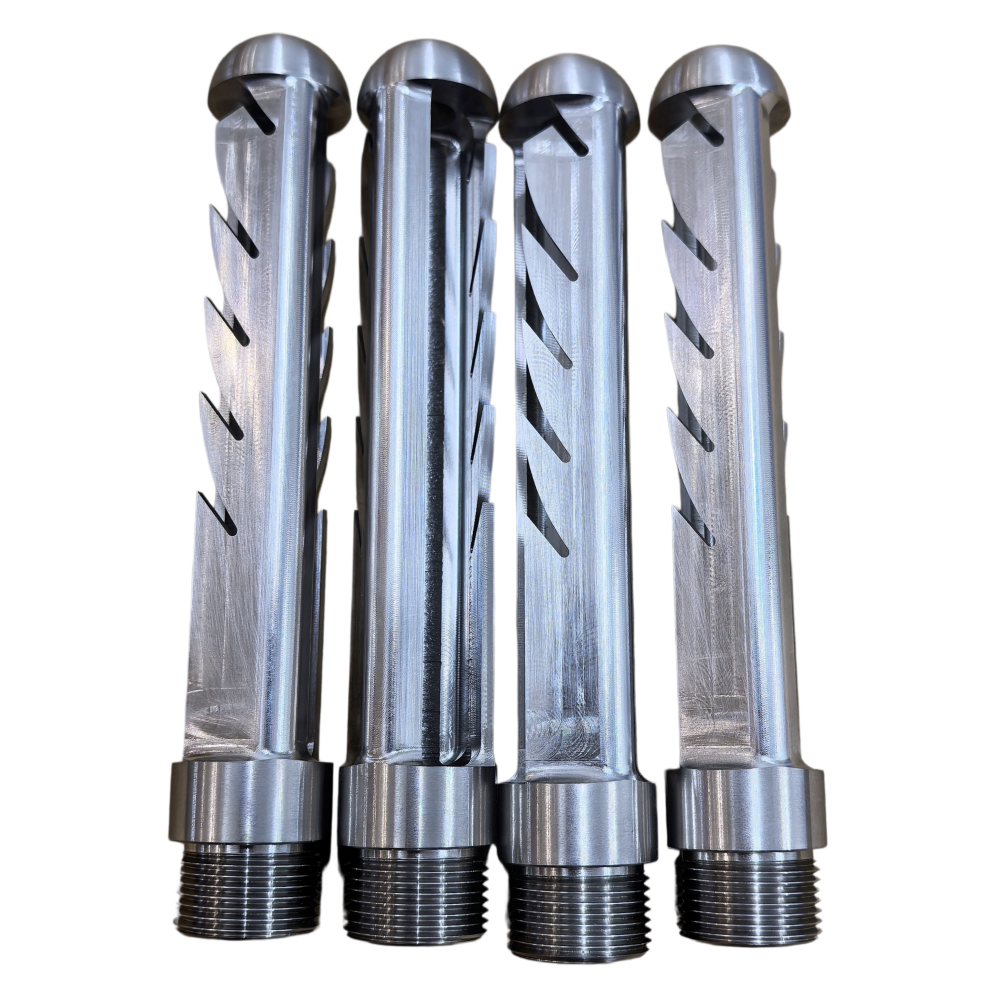
Poultry processing tools material compliance encompasses several regulatory frameworks, including FDA guidelines, USDA FSIS standards, and international food safety requirements. These guidelines specify which materials can contact poultry products, what chemical compositions are prohibited, and how equipment surfaces must resist corrosion, bacterial growth, and contamination pathways. Compliance for all poultry processing tools is not optional—it is a foundational requirement that affects every stage from purchasing decisions through daily maintenance and eventual equipment replacement.
Regulatory bodies worldwide have established strict standards that govern poultry processing tools. In the United States, the FDA defines acceptable materials, while the USDA FSIS establishes additional requirements for meat contact surfaces. These regulations mandate that poultry processing tools be constructed from USDA FSIS food-grade materials that do not leach harmful substances into products, resist breakdown, and facilitate thorough sanitation. Non-compliance exposes facilities to warning letters, enforcement actions, and potential shutdown orders that disrupt operations.
Compliance with poultry processing tools material compliance standards also extends to traceability and documentation. Manufacturers of poultry processing tools must provide certificates of material composition, mill test reports, and third-party certifications proving that components meet regulatory thresholds. Purchasing managers must maintain complete records demonstrating that every piece of FDA compliant poultry equipment and poultry processing tools in their facility has been verified for compliance. This documentation trail becomes invaluable during audits when inspectors verify that materials meet claimed standards.
The most widely accepted material for poultry processing tools is stainless steel, specifically grades like 304 and 316L, which resist corrosion and bacterial adhesion while remaining easy to sanitize. These poultry processing tools withstand acidic and alkaline cleaning compounds, survive high-temperature steam sterilization, and prevent cross-contamination through their non-porous surfaces. Food-grade plastics approved for contact surfaces represent another compliant option, while glass, ceramics, and rubber compounds also meet compliance standards when used in specific poultry processing tools applications.
Materials to strictly avoid in poultry processing tools include uncoated iron, copper, lead-based solders, and cadmium-containing components. These materials corrode rapidly, leach toxic substances, or harbor pathogens that compromise food safety. Even temporarily using non-compliant materials—such as repurposing generic tools for food contact—creates liability. Facilities must establish clear purchasing policies ensuring that all poultry processing tools meet material standards before entering production.
Building poultry processing tools material compliance into procurement processes ensures that only acceptable poultry processing tools enter the facility. Purchasing teams should develop specifications that explicitly list required material grades, finishes, and certifications for each class of poultry processing tools. Supplier agreements should include clauses requiring material documentation and compliance warranties for all FDA compliant poultry equipment. Third-party verification—such as NSF certified poultry tools—provides independent assurance that material claims are accurate and auditable.
When evaluating poultry processing tools suppliers, facilities should request sample material certificates and conduct material testing when high-value equipment is involved. This investment protects against counterfeit or mislabeled materials that could compromise compliance. Additionally, organizations should establish a preferred supplier list for poultry processing tools, reducing the risk of accidentally purchasing from vendors unfamiliar with USDA FSIS food-grade materials. Regular audits of supplier compliance records ensure that poultry processing tools arriving at the facility consistently meet stated specifications.
Maintaining poultry processing tools material compliance demands ongoing maintenance that preserves surface integrity and sanitizability. Stainless steel poultry processing tools can suffer from corrosion pitting if exposed to chloride environments without proper passivation. Regular cleaning protocols must account for the material composition of poultry processing tools, using appropriate pH-balanced cleaners and avoiding abrasive techniques that scratch or damage compliant surfaces.
Inspection routines should specifically assess the material condition of poultry processing tools, looking for signs of rust, pitting, delamination, or surface breakdown. When poultry processing tools show material degradation, they must be removed from production immediately and either refurbished or replaced. Facilities operating at high volumes should maintain spare sets of critical poultry processing tools to avoid downtime during compliance-focused maintenance, ensuring production continuity while material integrity is restored. Documentation of these inspections creates evidence of proactive compliance management.
Comprehensive documentation of poultry processing tools material compliance transforms compliance from an abstract requirement into a demonstrable practice. Facilities should maintain a detailed inventory of all poultry processing tools with material specifications, purchase dates, certifications, and maintenance records. This master list enables rapid response during regulatory inspections when auditors ask to verify that specific NSF certified poultry tools or FDA compliant poultry equipment meet standards.
When material failures occur in poultry processing tools—such as a supplier delivering non-compliant batches—documentation systems enable rapid investigation and corrective action. Facilities can trace which products may have been processed on affected poultry processing tools, determine if recalls are necessary, and implement enhanced supplier verification. Third-party auditors conducting food safety reviews pay particular attention to poultry processing tools documentation systems as indicators of overall management competence.
Adopting third-party certification frameworks strengthens poultry processing tools material compliance verification and enhances credibility. NSF certified poultry tools, for example, independently validate that poultry processing tools meet food contact material standards and are designed for hygienic operation. Facilities that consistently source NSF certified poultry tools and FDA compliant poultry equipment reduce their compliance risk profile and can reference these certifications during customer audits or regulatory interactions.
Engaging with industry associations helps facilities stay current as compliance requirements evolve. Poultry processing tools suppliers that participate in standards-development discussions and maintain active compliance certifications tend to offer more reliable products. Facilities should view poultry processing tools material compliance investment as strategic risk management rather than a cost burden, recognizing that compliance gaps generate far greater expenses through penalties, recalls, and operational disruptions.
The primary standards for poultry processing tools material compliance include FDA regulations under 21 CFR 177 for food-contact plastics, USDA FSIS food-grade materials requirements for meat contact surfaces, and NSF certification standards. Stainless steel grades 304 and 316L represent the most compliant metals for poultry processing tools, while approved food-grade plastics and rubber compounds serve specific functions. Most regulatory frameworks require that poultry processing tools materials be non-toxic, corrosion-resistant, non-absorbent, and capable of withstanding sanitation temperatures and chemicals.
Facilities should conduct material compliance audits of their poultry processing tools at minimum quarterly, with high-use equipment assessed more frequently. Regular inspections catch early signs of corrosion, degradation, or surface damage that compromises the compliance of poultry processing tools. Additionally, whenever new poultry processing tools enter the facility or suppliers change, immediate verification of FDA compliant poultry equipment standards should occur.
No, using generic or non-food-grade tools violates regulatory requirements and creates serious food safety risks. Generic tools often contain materials that corrode, leach contaminants, or harbor bacteria that compromise product safety. Regulatory agencies view the use of non-compliant tools as gross negligence, potentially triggering enforcement action. Facilities must ensure all equipment contacting poultry products—including every single piece of poultry processing tools—meets USDA FSIS food-grade materials standards regardless of cost or operational convenience.
 Hot News
2026-09-28
2026-09-21
2026-09-14
2026-09-08
2026-09-01
2026-08-12
Hebei Zunyan Technology provides high-quality poultry processing spare parts for global meat processors. Our stainless steel & plastic eviscerating shackles, chains, and custom CNC components ensure durability, precision, and fast dispatch. 30+ production lines, ISO-aligned quality, 48h shipping. Request quote today.
1901, Unit C19, Tongrui Business Building, Changjiang Sub-district, Yuhua District, Shijiazhuang City, Hebei Province, China
Copyright © 2026 Hebei Zunyan Technology Co., Ltd. All Rights Reserved Privacy Policy
 EN
EN