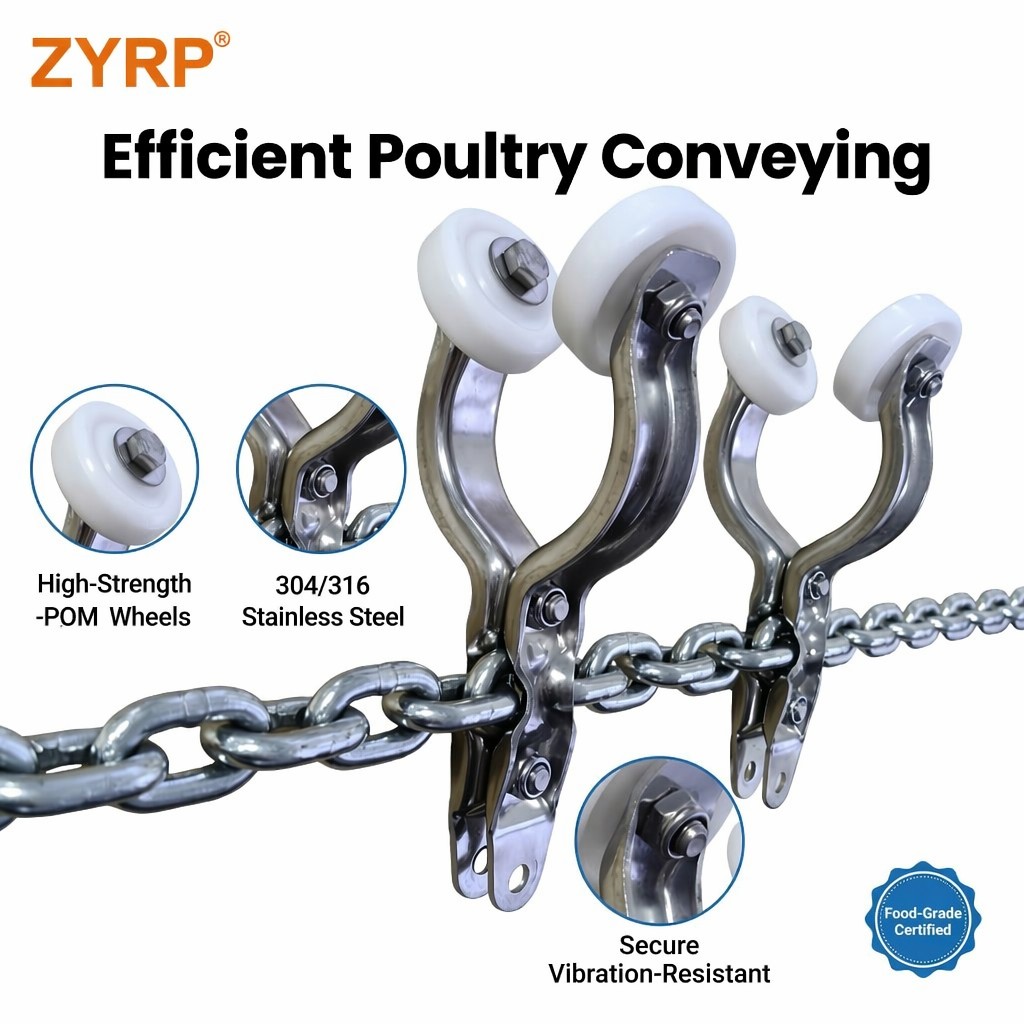
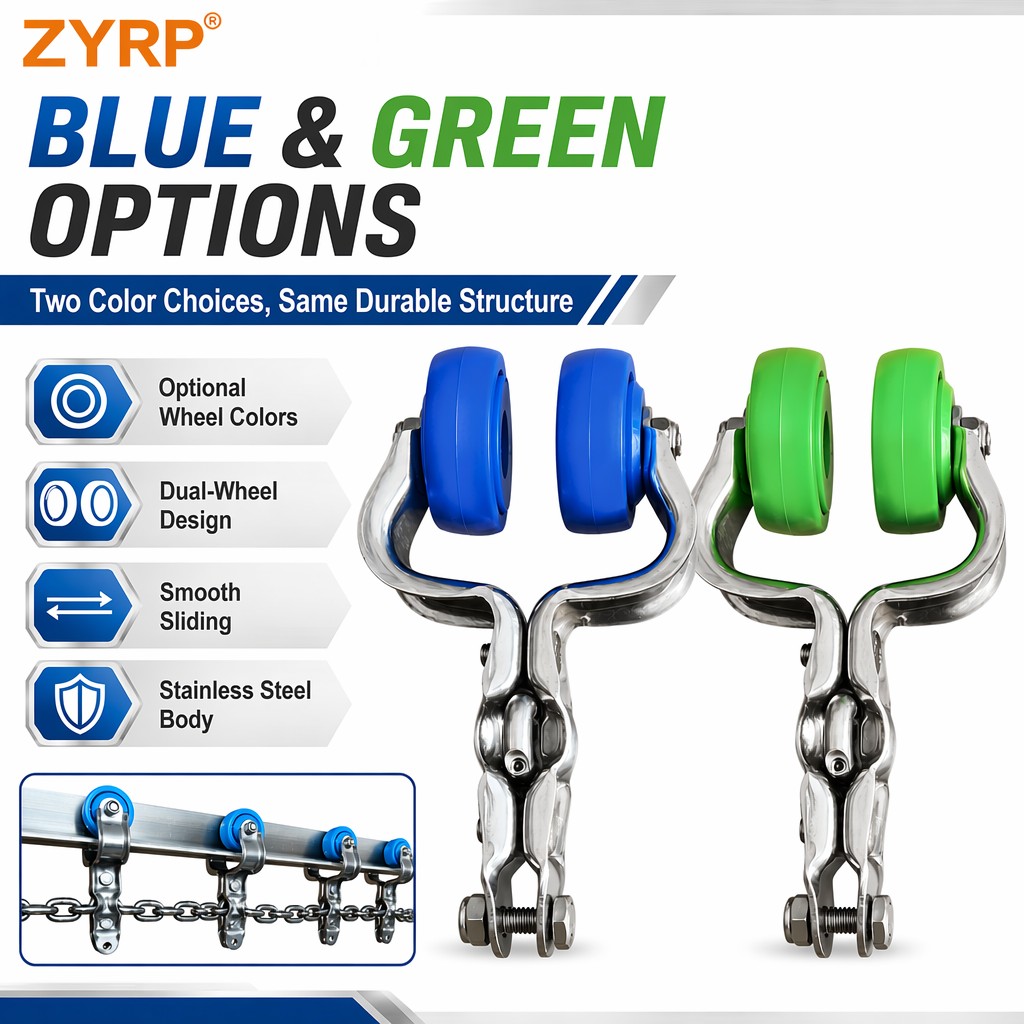
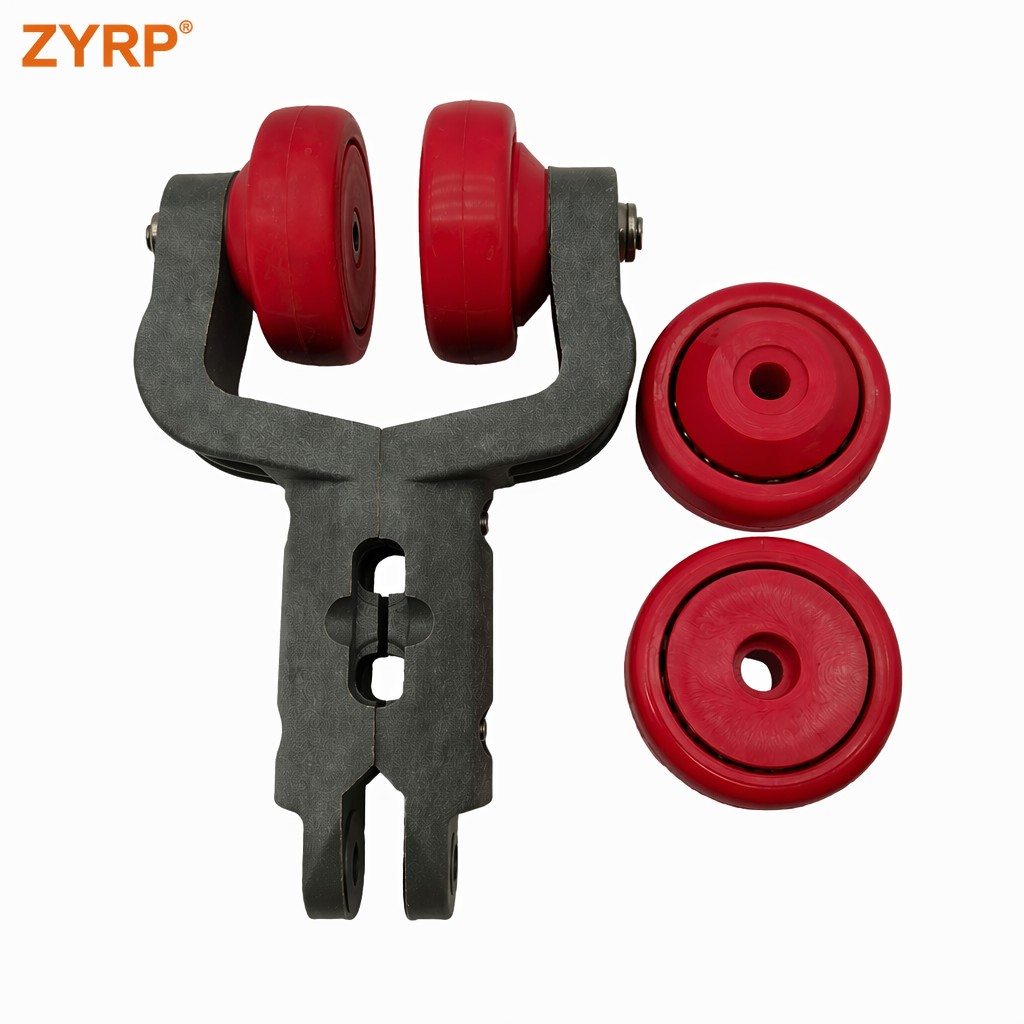
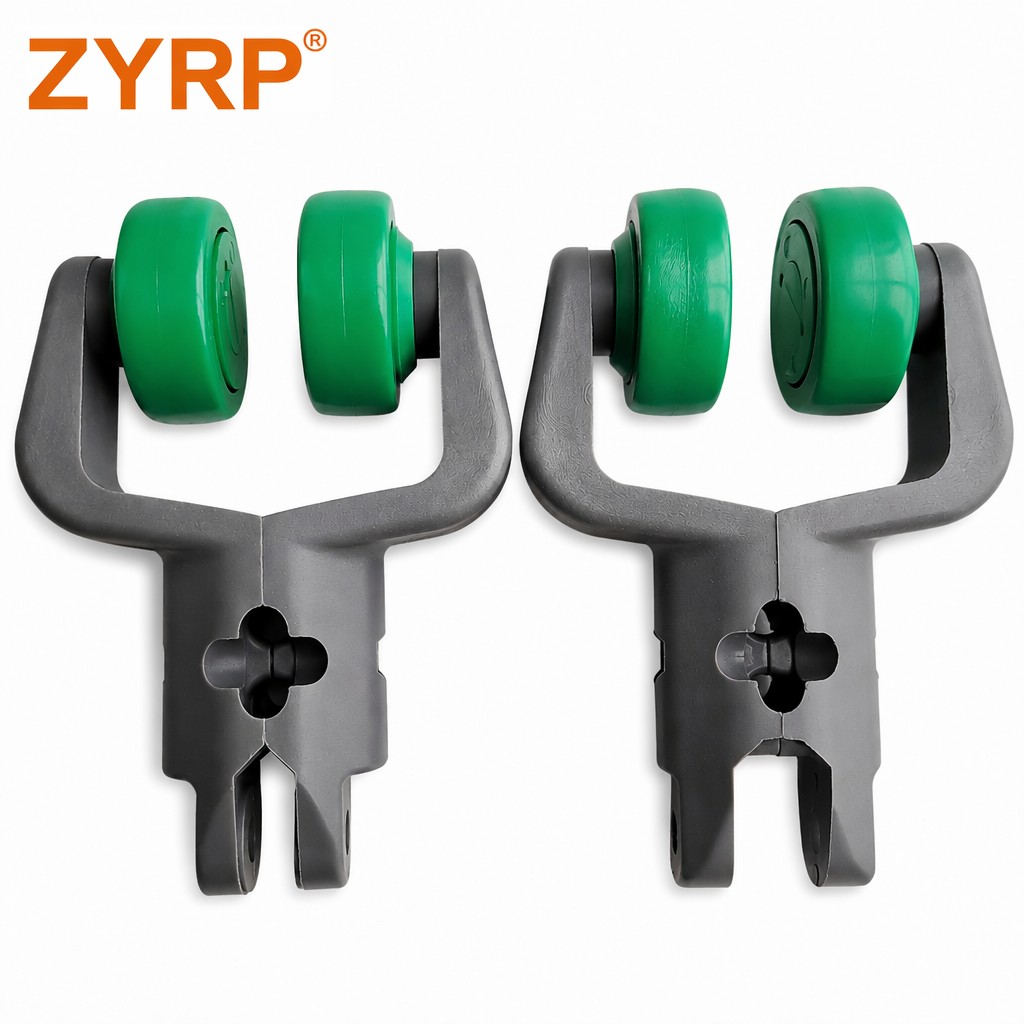
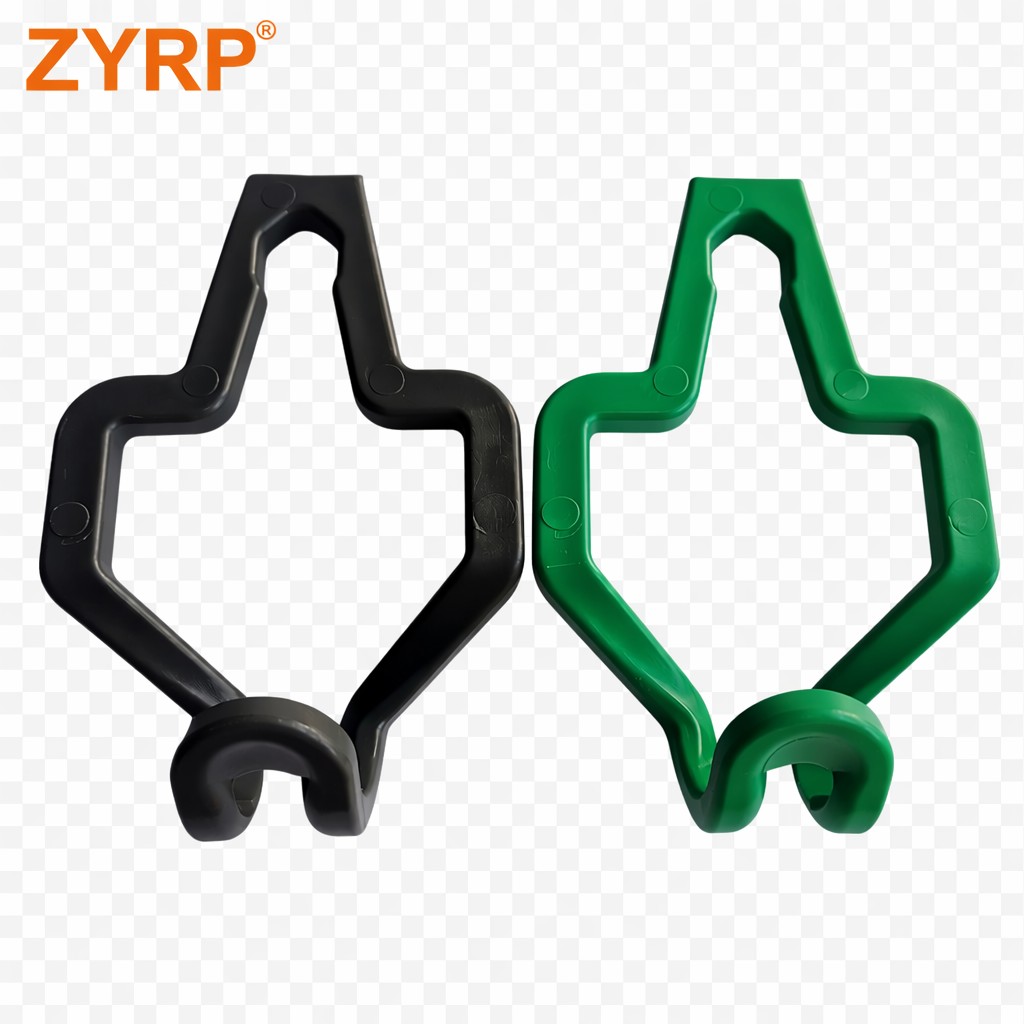
When selecting material handling equipment for industrial operations, the choice between a plastic trolley and a metal trolley significantly impacts operational efficiency, maintenance costs, and worker safety. Weight is a critical factor that influences maneuverability, energy consumption, and overall productivity. Understanding the weight differences between plastic trolley systems and metal alternatives helps facility managers make informed decisions aligned with their specific operational demands. This comprehensive study examines how plastic trolley design compares to traditional metal options across various weight-related metrics and real-world applications.
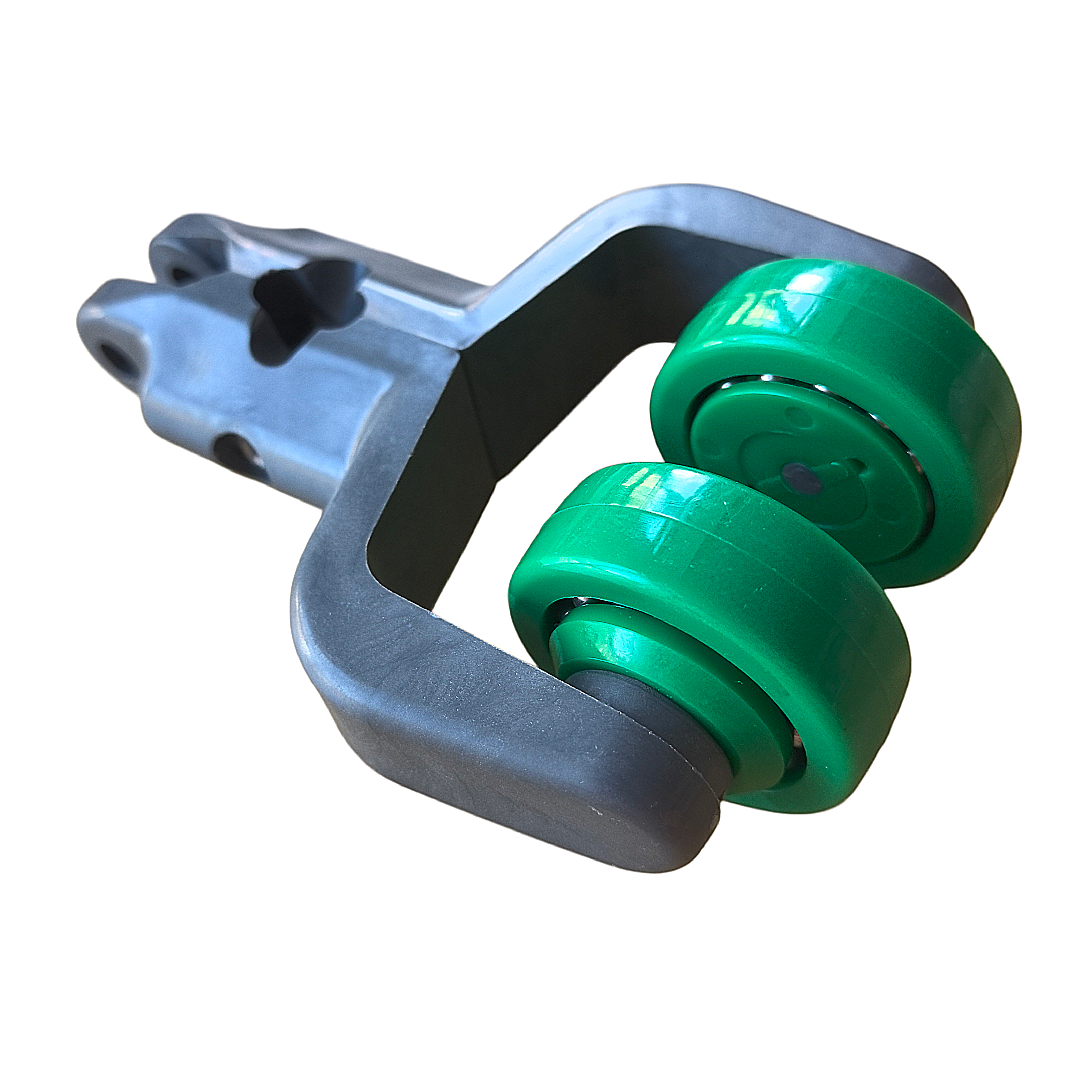
The weight characteristics of a plastic trolley directly affect ease of operation, transportation costs, and installation complexity. A typical plastic trolley weighs considerably less than its metal counterpart, ranging from 15 to 35 kilograms depending on size and structural reinforcement. Metal trolleys, by contrast, generally weigh between 40 to 80 kilograms or more. This weight differential becomes particularly significant in high-volume operations where dozens or hundreds of trolley movements occur daily. Understanding these specifications allows organizations to calculate labor requirements, power consumption, and equipment lifespan more accurately.
A plastic trolley delivers substantial weight reduction without compromising structural integrity in most industrial applications. The lightweight nature of a plastic trolley enables single workers to move, position, and transport units with minimal physical strain. This reduced physical demand directly translates to fewer workplace injuries, improved productivity, and better compliance with ergonomic workplace standards. Industries utilizing a plastic trolley report decreased worker fatigue during shifts, which correlates with higher quality control standards and fewer operational errors.
The energy efficiency gained through deploying a plastic trolley extends across multiple operational dimensions. When using a plastic trolley in overhead conveyor systems or manual transport scenarios, less force is required to initiate and maintain movement. In automated systems, a plastic trolley demands lower motor power specifications, reducing electricity consumption and operational expenses. Facilities that transition from metal to a plastic trolley typically observe 20 to 30 percent reductions in powered equipment energy requirements over annual operational periods.
Metal trolleys maintain heavier construction profiles that provide certain operational advantages despite increased weight burden. The weight of a metal trolley contributes to stability when carrying extremely heavy loads in rough industrial environments. However, this same weight characteristic creates challenges in modern operations where labor costs remain high and ergonomic compliance is mandatory. Facilities operating older material handling systems may find metal trolley designs still adequate, but expanding operations or modernizing workflows often necessitate evaluating whether continued reliance on heavier metal equipment aligns with contemporary efficiency standards.
A plastic trolley constructed from high-grade polyethylene or polypropylene maintains consistent weight throughout its operational lifespan. Unlike metal trolleys that may accumulate rust, corrosion byproducts, and maintenance treatments adding unintended weight, a plastic trolley remains weight-stable across years of industrial service. This consistent weight profile ensures predictable performance in automated systems where equipment calibration relies on known material specifications. Food processing facilities, pharmaceutical operations, and hygiene-sensitive industries particularly benefit from a plastic trolley because the material does not corrode, degrade, or release harmful particles affecting product integrity.
The structural reliability of modern plastic trolley designs has evolved significantly over the past decade. Advanced reinforced plastics now withstand thermal shock, chemical exposure, and mechanical stress comparable to or exceeding traditional metal alternatives. A plastic trolley engineered with internal ribbing, corner reinforcement, and composite layering achieves remarkable durability while maintaining the lightweight profile that defines this material category. Industrial testing demonstrates that a plastic trolley can perform reliably for 10 to 15 years in demanding environments when properly manufactured and maintained.
Traditional metal trolleys experience progressive weight increases as oxidation, rust treatment applications, and accumulated environmental deposits add mass over time. A metal trolley requiring regular painting, rust inhibitor treatment, or protective coatings gradually becomes heavier than original specifications. This weight creep complicates equipment calibration in automated systems and increases operational demands on motors and handling mechanisms. Facilities operating metal trolleys often discover that year-over-year weight measurements shift, necessitating periodic equipment recalibration and maintenance interventions that do not apply to plastic alternatives.
Selecting a plastic trolley over metal alternatives generates measurable cost advantages throughout equipment lifecycle phases. Initial transportation costs decrease substantially because a plastic trolley weighs 50 to 65 percent less than comparable metal units. Shipping 100 plastic trolley units versus metal equivalents represents significant freight expense reduction. Installation labor requirements also diminish when working with lightweight plastic trolley components, as crews can position and secure units more rapidly without specialized heavy equipment. These logistics advantages accumulate quickly in operations requiring substantial trolley fleet deployments.
Maintenance cost structures shift meaningfully when adopting a plastic trolley framework. Traditional metal trolley programs involve rust prevention budgets, protective coating refreshment cycles, and corrosion monitoring protocols. A plastic trolley eliminates these metal-specific maintenance categories entirely. Operations managers can redirect resources previously allocated to metal trolley preservation toward more productive facility investments. Additionally, when a plastic trolley requires replacement or component upgrading, handling and positioning labor remains minimal compared to the intensive procedures metal trolley operations demand.
Industrial automation systems designed around a plastic trolley operate with inherent efficiency advantages. The reduced inertial mass of a plastic trolley means motors and drive mechanisms can accelerate and decelerate equipment more rapidly while consuming less electrical energy. Conveyor systems utilizing a plastic trolley design achieve faster cycle times and greater throughput capacity without increasing motor specifications or electrical infrastructure. Poultry processing facilities, cold storage operations, and manufacturing plants converting to plastic trolley systems frequently report 15 to 25 percent productivity improvements within the first operational year.
A standard plastic trolley typically weighs 15 to 35 kilograms, while comparable metal trolleys weigh 40 to 80 kilograms or more. This 50 to 65 percent weight reduction significantly impacts labor efficiency, energy consumption, and long-term operational economics. The specific weight difference depends on trolley size, load capacity design, and material thickness specifications.
Yes, a plastic trolley maintains consistent weight across its entire service lifespan because the material does not corrode, rust, or accumulate environmental deposits. Metal trolleys, conversely, may gain weight through oxidation treatments and protective coatings applied during maintenance cycles. This weight stability makes a plastic trolley ideal for automated systems requiring precise equipment calibration and predictable performance parameters.
Food processing, pharmaceutical, cold storage, and poultry operations derive substantial benefits from adopting a plastic trolley framework. These industries value the hygiene advantages, reduced maintenance overhead, and weight-related labor efficiency that plastic trolley systems provide. Facilities prioritizing ergonomic compliance and sustainability also find plastic trolley investments align with operational objectives.
 Hot News
2026-09-28
2026-09-21
2026-09-14
2026-09-08
2026-09-01
2026-08-12

Hebei Zunyan Technology provides high-quality poultry processing spare parts for global meat processors. Our stainless steel & plastic eviscerating shackles, chains, and custom CNC components ensure durability, precision, and fast dispatch. 30+ production lines, ISO-aligned quality, 48h shipping. Request quote today.
1901, Unit C19, Tongrui Business Building, Changjiang Sub-district, Yuhua District, Shijiazhuang City, Hebei Province, China
Copyright © 2026 Hebei Zunyan Technology Co., Ltd. All Rights Reserved Privacy Policy
 EN
EN