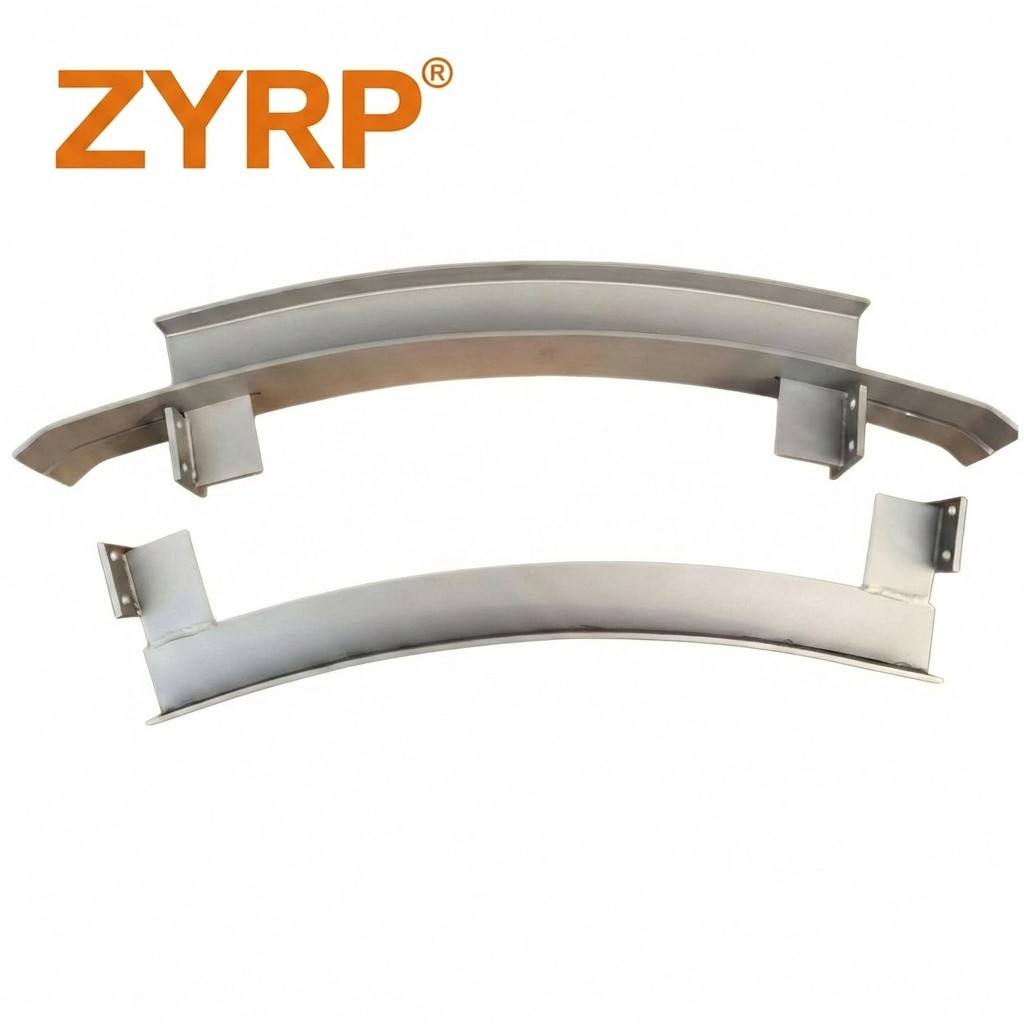
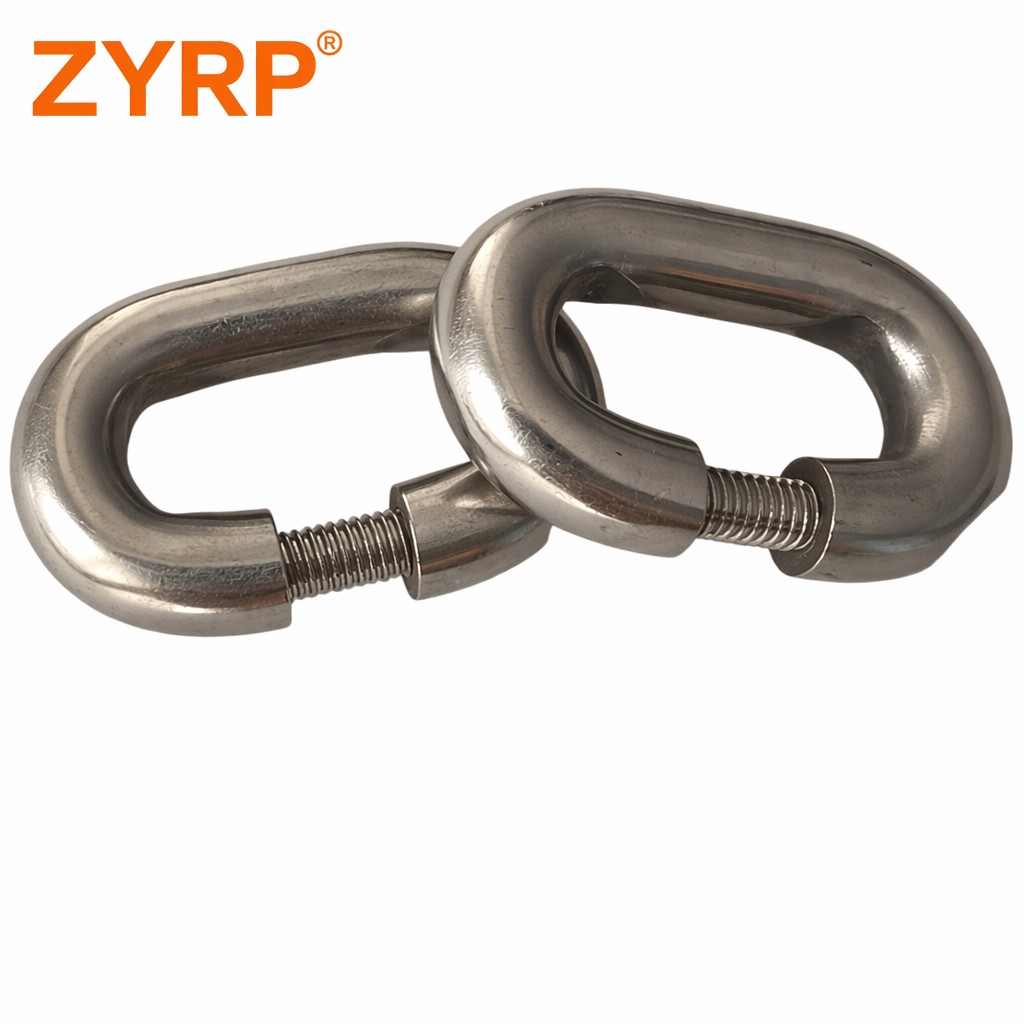
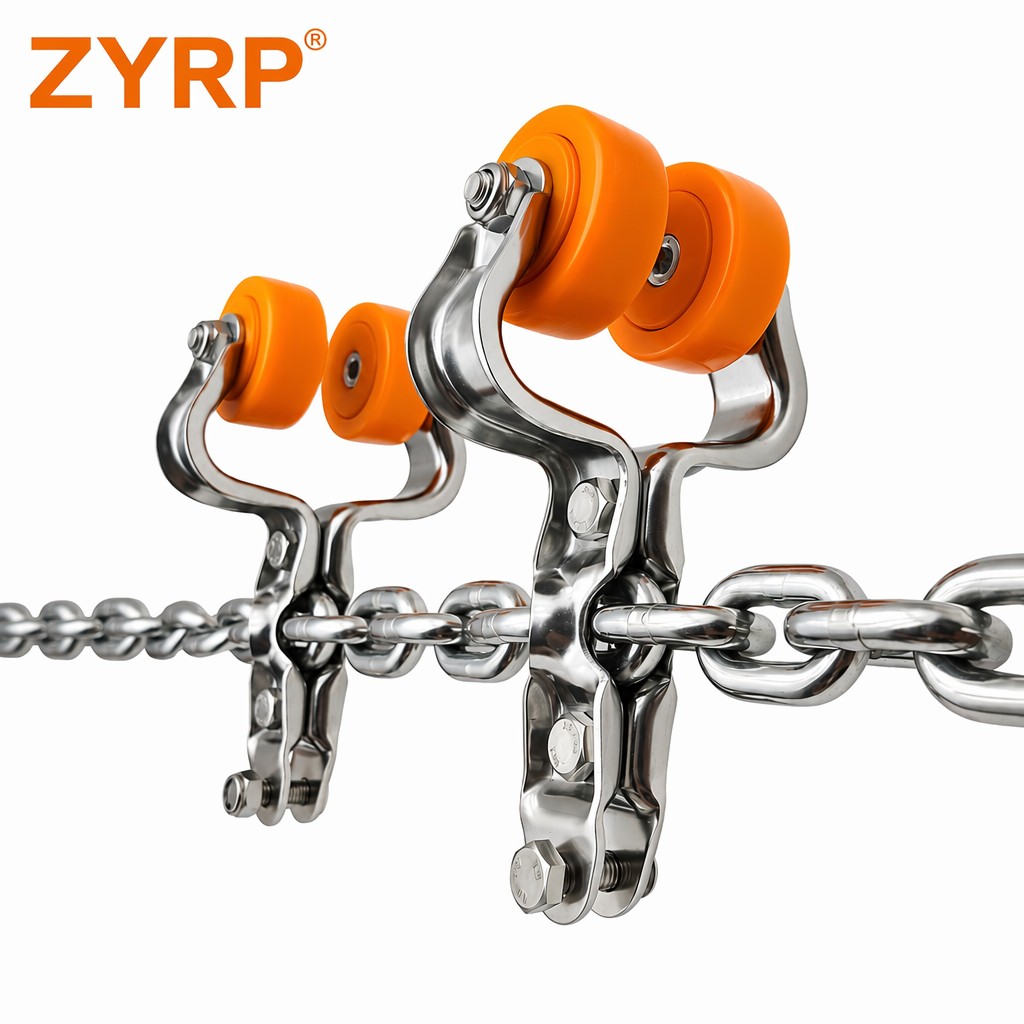
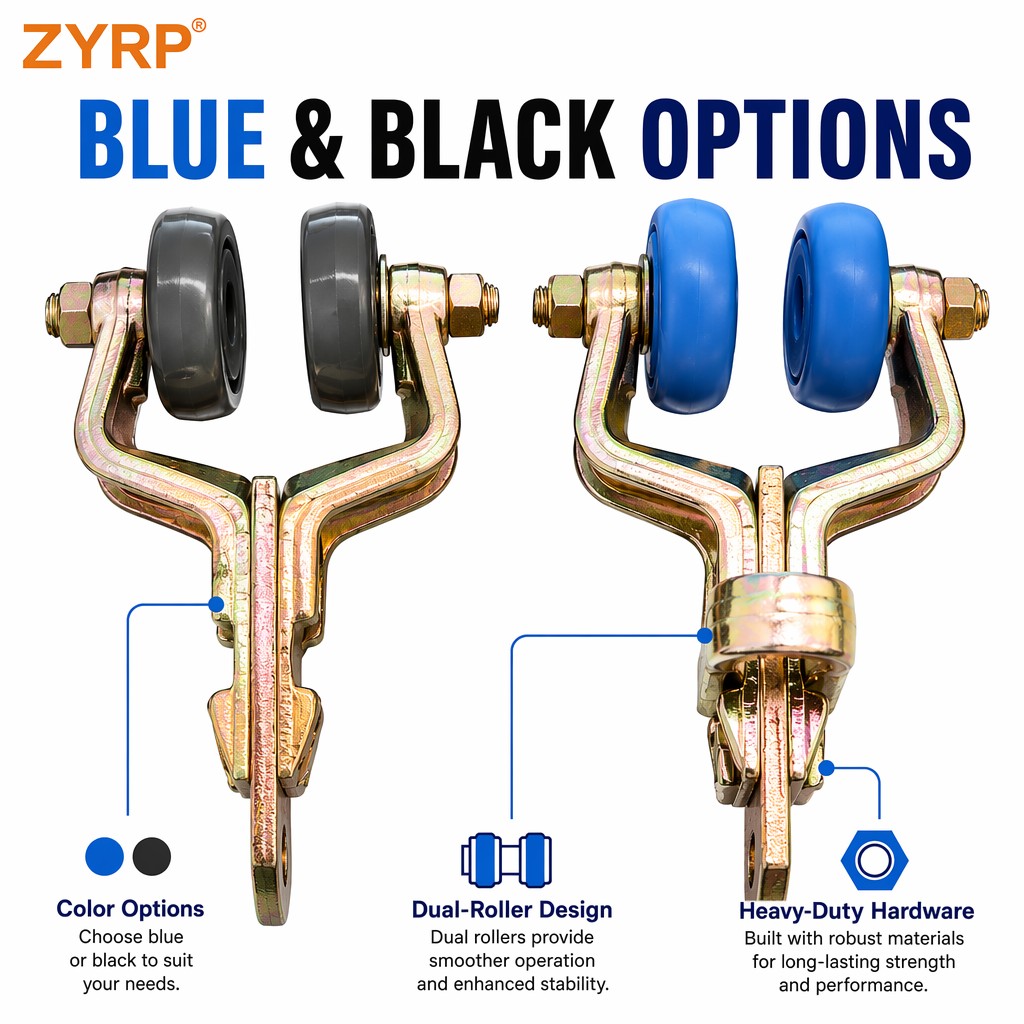
Selecting the right overhead tracks is a critical decision for industrial facilities, meat processing plants, poultry operations, and manufacturing environments where material handling efficiency directly impacts productivity. Tubular and I-beam overhead tracks offer distinct structural advantages — understanding their differences helps you choose the solution that aligns with your operational requirements, budget, and long-term maintenance expectations. Whether you are designing a new facility or upgrading an existing conveyor system, the choice between these two overhead track types has lasting implications for performance, hygiene, and cost.
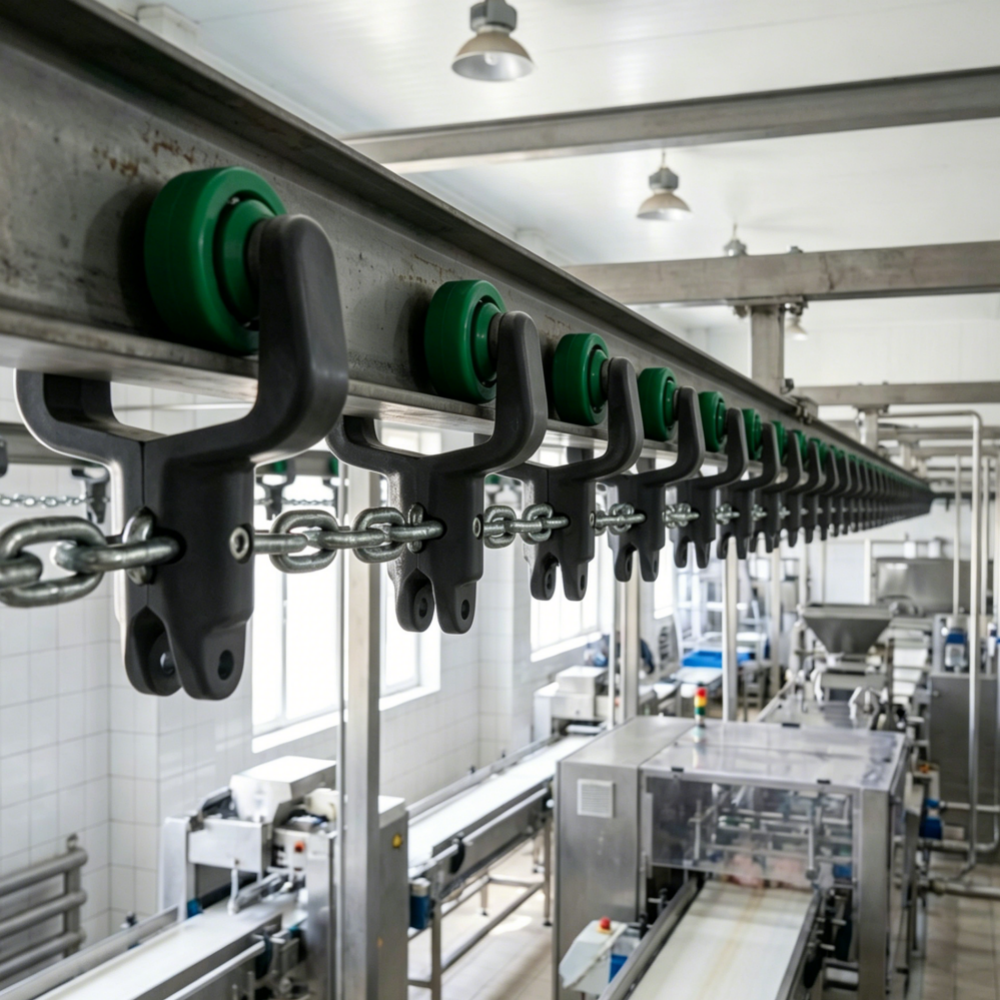
Tubular overhead tracks feature a hollow cylindrical cross-section that distributes loads uniformly across all axes. This symmetric design delivers excellent torsional resistance, making tubular overhead tracks ideal for applications where trolleys navigate curves or loads shift laterally during transport. Wall thickness can be precisely optimized, reducing material consumption while maintaining required safety margins. Available in a range of diameters and grades, tubular overhead tracks can be configured for light-duty conveyor lines or heavy industrial carcass handling systems.
Stainless steel tubular overhead tracks excel in corrosive environments such as poultry and meat processing facilities, where aggressive washdown chemicals and acidic cleaners rapidly degrade carbon steel. The smooth closed surface resists bacterial harboring and simplifies sanitation procedures — the primary reason food-grade facilities specify tubular overhead tracks as standard infrastructure. Their sealed geometry also prevents moisture ingress, which further extends service life in high-humidity production zones.
I-beam overhead tracks feature an H-shaped cross-section that optimizes vertical load-bearing with minimal material. This design delivers superior bending stiffness along one axis, making I-beam overhead tracks highly efficient for standard downward-loading monorail and conveyor applications. The open web geometry simplifies attachment of support brackets, drop rods, and auxiliary equipment, offering flexibility during system design and future modifications.
However, I-beam overhead tracks have inherent horizontal vulnerability and require protective coating systems against corrosion — adding recurring maintenance costs throughout the system's lifecycle. The open profile also creates recessed surfaces where contaminants, moisture, and debris can accumulate over time. The centuries of structural engineering history behind I-beam overhead tracks means installers and fabricators maintain extensive familiarity with this configuration, which can simplify sourcing and reduce lead times in standard construction projects.
Tubular overhead tracks require specialized cylindrical mounting hardware but simplify alignment since no directional orientation is needed during positioning. Stainless steel tubular overhead tracks arrive pre-finished, eliminating on-site painting steps and reducing overall installation timelines.
I-beam overhead tracks integrate readily into facilities built around standard beam sections. Installation proceeds quickly with widely available connection hardware, though field coating touch-ups after installation disturbances extend project completion time and require additional labor coordination.
Stainless steel tubular overhead tracks eliminate recurring painting and coating cycles, dramatically reducing maintenance burden in washdown, outdoor, or salt-spray environments. Smooth exteriors prevent debris accumulation, supporting regulatory inspections in food processing operations and reducing unplanned downtime.
I-beam overhead tracks require regular inspection for coating degradation, rust formation, and debris buildup within the open web — all of which accelerate corrosion and reduce coating effectiveness over time. While I-beam overhead tracks offer lower initial acquisition costs, facilities with 15+ year operational horizons in corrosive environments frequently find total cost of ownership favors tubular overhead tracks when all maintenance, inspection, and recoating expenses are factored in.
Poultry and meat processing operations specify stainless steel tubular overhead tracks as standard because no alternative delivers equivalent corrosion resistance, sanitation ease, and USDA/FDA compliance assurance. The closed geometry eliminates recessed areas where pathogens can harbor, directly supporting food safety protocols and facilitating routine hygiene audits.
I-beam overhead tracks rarely appear in primary food processing areas because coating maintenance conflicts with aggressive sanitation requirements. They may be appropriate in ancillary or secondary production zones where hygiene demands are less stringent and washdown frequency is lower.
In manufacturing and warehouse environments, both tubular and I-beam overhead tracks perform effectively for standard conveyor and monorail applications. I-beam overhead tracks are preferred in traditional settings where engineering teams have extensive experience with beam sections and budget optimization is the primary driver. Tubular overhead tracks gain advantage when compact profiles, lateral load resistance, or reduced long-term maintenance costs justify the premium investment. Consulting with an overhead tracks specialist early in the project planning phase ensures the selected system meets both current load requirements and future capacity needs.
Evaluate corrosion exposure, washdown intensity, load characteristics, lateral forces, maintenance budget, and regulatory requirements. Harsh environments and food processing operations favor tubular overhead tracks; general manufacturing with minimal corrosion exposure may justify I-beam overhead tracks on cost grounds.
Both follow similar structural principles, though mounting hardware differs. Stainless steel tubular overhead tracks arrive ready to install with no field coating needed. I-beam overhead tracks may require coating touch-up after installation, extending timelines but reducing initial material cost.
Tubular overhead tracks carry higher upfront costs but lower lifetime maintenance expense. I-beam overhead tracks cost less initially but accumulate coating and rust-prevention expenses over time. For facilities operating 15 or more years in corrosive conditions, tubular overhead tracks typically deliver superior total cost of ownership.
Yes. Both tubular and I-beam overhead tracks can be fabricated to accommodate curved runs, variable ceiling heights, and complex routing paths. Tubular overhead tracks are particularly well-suited to tight-radius curves and multi-directional conveyor networks, while I-beam overhead tracks can be modified with standard structural components to span irregular column spacing.
 Hot News
2026-09-28
2026-09-21
2026-09-14
2026-09-08
2026-09-01
2026-08-12
Hebei Zunyan Technology provides high-quality poultry processing spare parts for global meat processors. Our stainless steel & plastic eviscerating shackles, chains, and custom CNC components ensure durability, precision, and fast dispatch. 30+ production lines, ISO-aligned quality, 48h shipping. Request quote today.
1901, Unit C19, Tongrui Business Building, Changjiang Sub-district, Yuhua District, Shijiazhuang City, Hebei Province, China
Copyright © 2026 Hebei Zunyan Technology Co., Ltd. All Rights Reserved Privacy Policy
 EN
EN