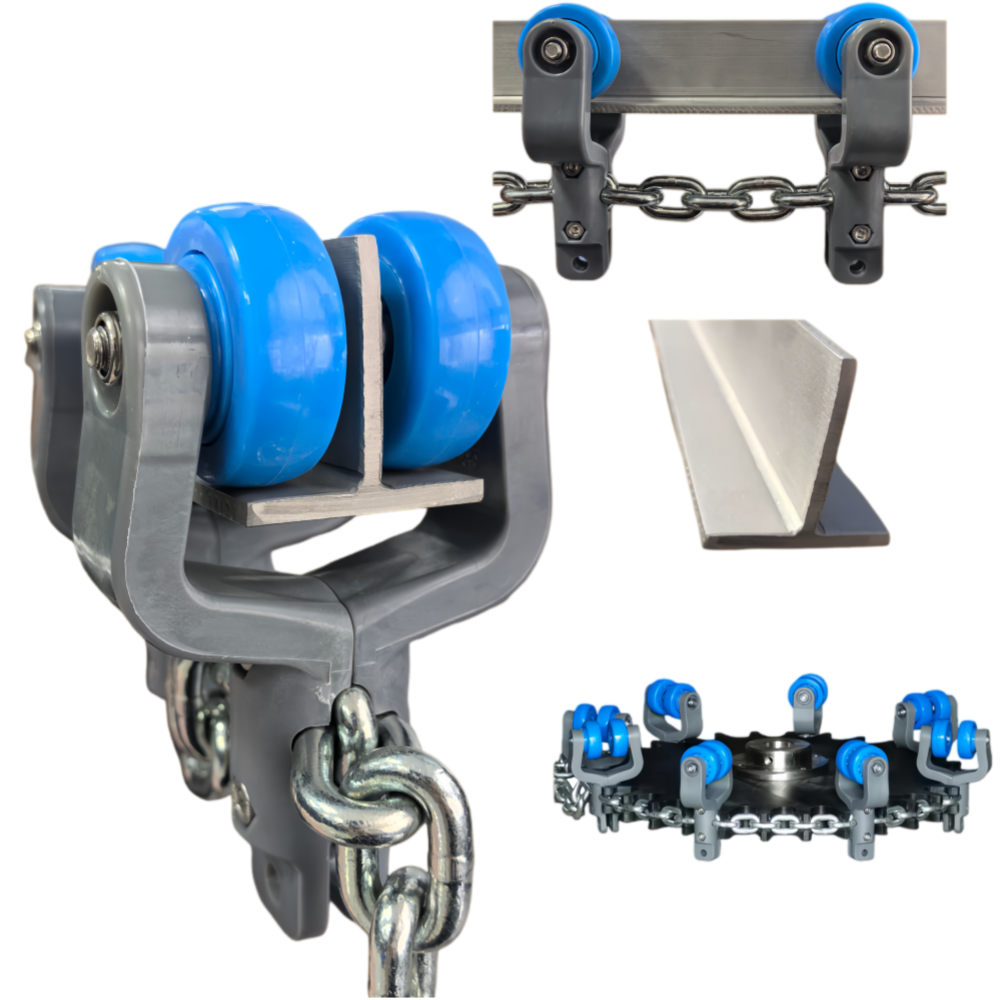
Overhead tracks represent a critical infrastructure component in modern industrial facilities, from poultry processing plants to manufacturing warehouses and meat handling operations. When overhead tracks operate without proper alignment, they create cascading problems that damage equipment, reduce operational efficiency, and inflate maintenance budgets. Understanding how to maintain and align overhead tracks correctly is essential for any facility manager or operations director who wants to protect their investment and maximize production uptime.
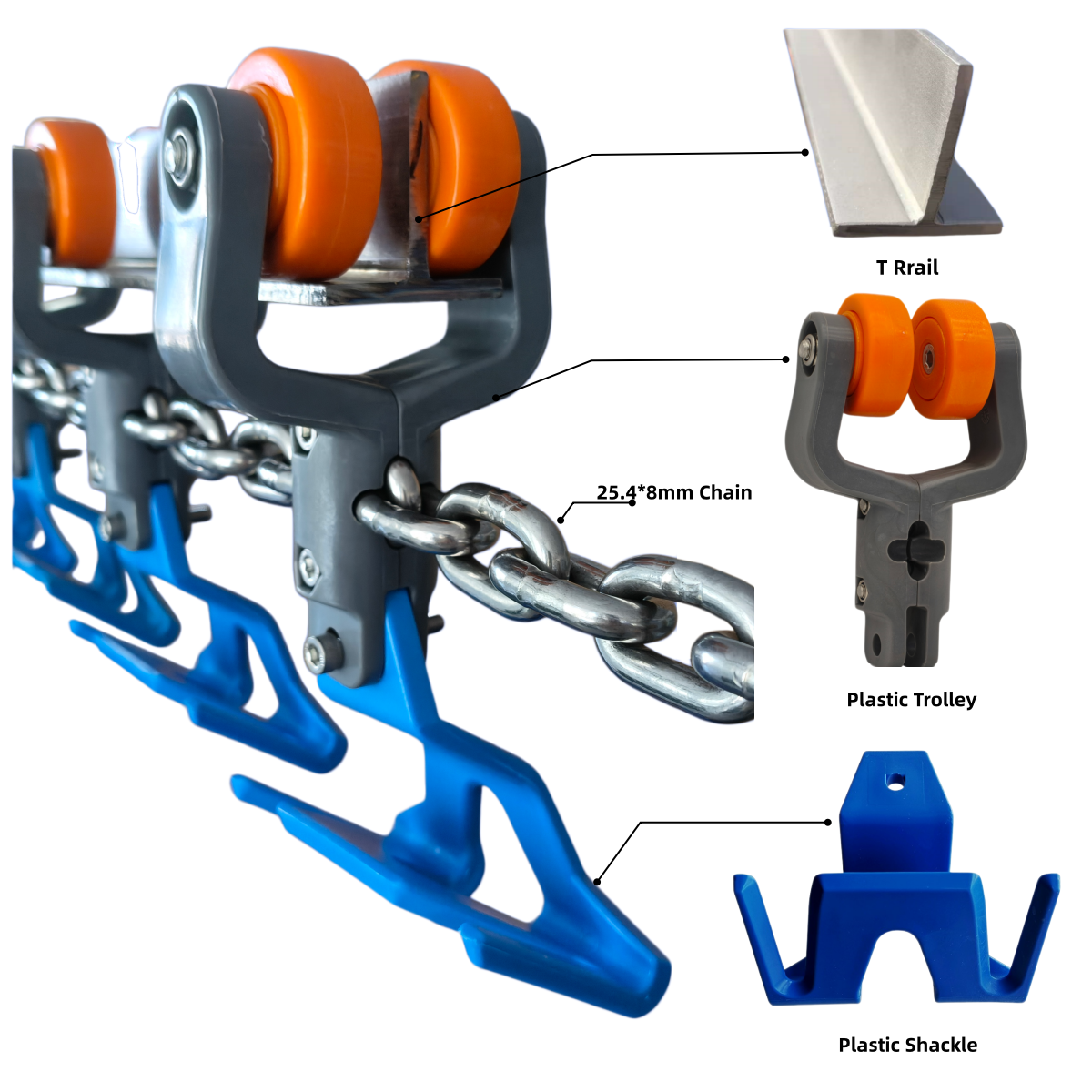
Misaligned overhead tracks generate wear patterns that accelerate component failure, increase energy consumption, and create safety hazards for workers and products moving through the system. This guide explores the mechanics of overhead tracks alignment, identifies warning signs of misalignment, and provides practical strategies to prevent premature wear and maintain system reliability throughout the facility lifecycle.
Overhead tracks misalignment stems from multiple sources in industrial environments. Installation errors during system setup represent the most common cause, where mounting brackets fail to achieve proper vertical or horizontal positioning. Over time, vibration from continuous operation causes fasteners to loosen, structural supports to settle, and framework to shift slightly. Thermal expansion and contraction cycles create stress on overhead tracks connections, particularly in facilities with significant temperature fluctuations between operating and shutdown periods. Heavy or unbalanced loads accelerate this drift, pulling the overhead tracks out of spec and forcing rollers to track sideways along the rail surface rather than rolling smoothly down the center.
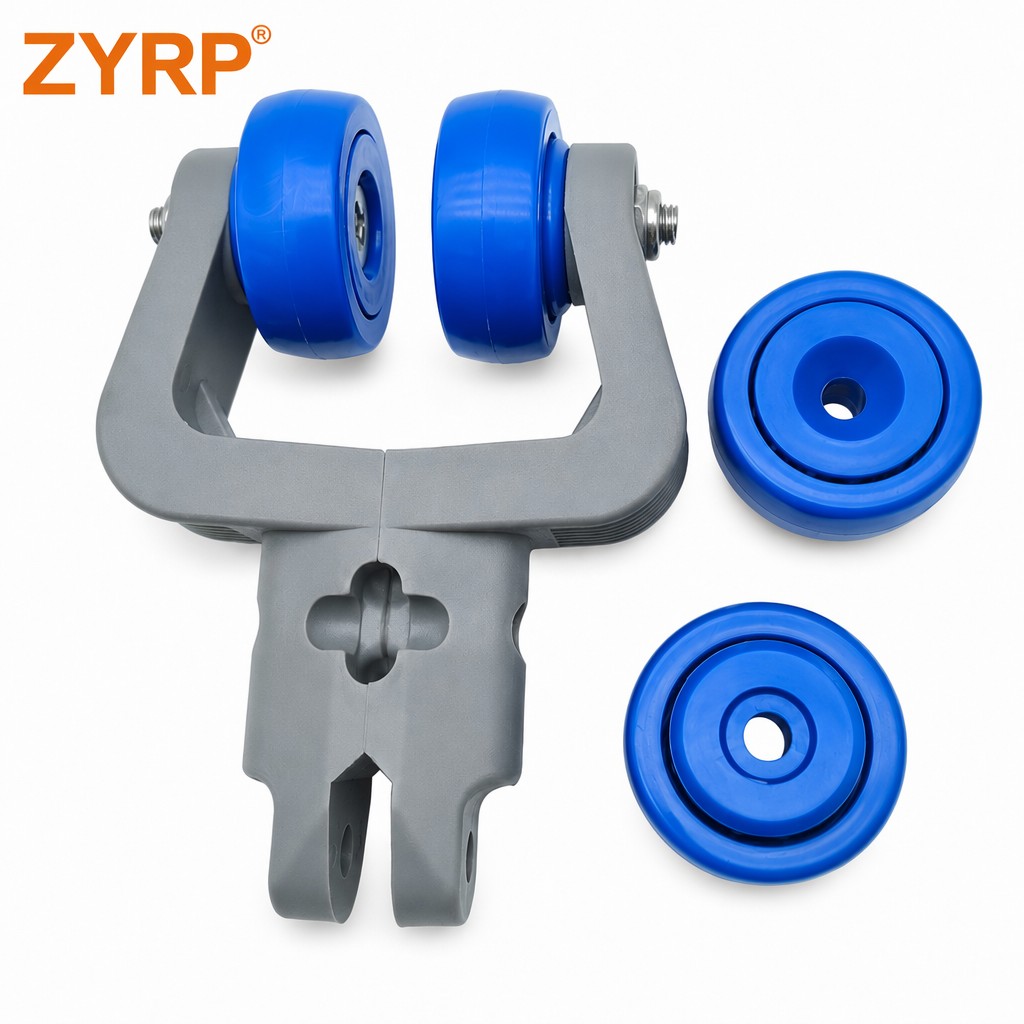
The progression of overhead tracks misalignment typically begins subtly and worsens gradually unless corrected early. Initial misalignment of just one-eighth inch forces trolley wheels to ride on one rail edge instead of distributing load evenly across the rail profile. This eccentric loading increases friction dramatically, causing overhead tracks surfaces to wear unevenly and trolley wheels to develop flat spots or accelerated lip wear. As overhead tracks become increasingly misaligned, the problem self-amplifies: damaged wheels chew deeper into the rail, rough patches develop, and vibration increases, which further destabilizes fasteners and accelerates the degradation cycle.
Preventing overhead tracks wear begins during the installation phase with meticulous attention to specifications and alignment tolerances. Every mounting bracket must achieve the manufacturer's specified pitch and roll angles before system startup, requiring professional laser alignment equipment and experienced technicians who understand overhead tracks geometry. Fasteners connecting the overhead tracks to support structure must be torqued to exact specifications and then secured with locking mechanisms to prevent vibration-induced loosening. Spring-based tensioning systems designed for overhead tracks provide consistent pressure on rail connections without over-torquing, which can distort the rail profile and introduce new alignment problems. When properly installed with attention to these fundamentals, overhead tracks systems operate reliably and wear uniformly for years.
Systematic overhead tracks inspection programs catch early signs of misalignment before wear accelerates into catastrophic failure. Monthly visual inspections should check for visible contact marks on rail sides, uneven debris accumulation, and trolley positioning consistency along the length of the overhead tracks run. Quarterly detailed measurements using straightedge and dial indicator tools verify that overhead tracks remain within tolerance ranges specified by the manufacturer. Regular lubrication of overhead tracks reduces friction and heat generation that can soften fasteners and accelerate metal degradation. Documentation of inspection results enables predictive maintenance scheduling: when trends show gradual alignment drift, corrective action can be planned during scheduled downtime rather than becoming an emergency repair that disrupts production.
How operators use overhead tracks systems directly impacts wear rates and alignment stability. Exceeding designed weight limits stresses fasteners and creates excessive forces that bend support structures and pull overhead tracks out of alignment. Rapid acceleration and deceleration cycles subject the overhead tracks to shock loads that loosen fasteners and destabilize the entire system. Operators should be trained to recognize unusual sounds, vibration patterns, or system performance changes that signal emerging misalignment issues. Many facilities implement speed governors that prevent excessive acceleration, weight monitoring systems that reject overloaded trolleys, and operator checklists that enforce consistent operating procedures. These discipline-based approaches cost virtually nothing to implement yet provide powerful protection for expensive overhead tracks infrastructure.
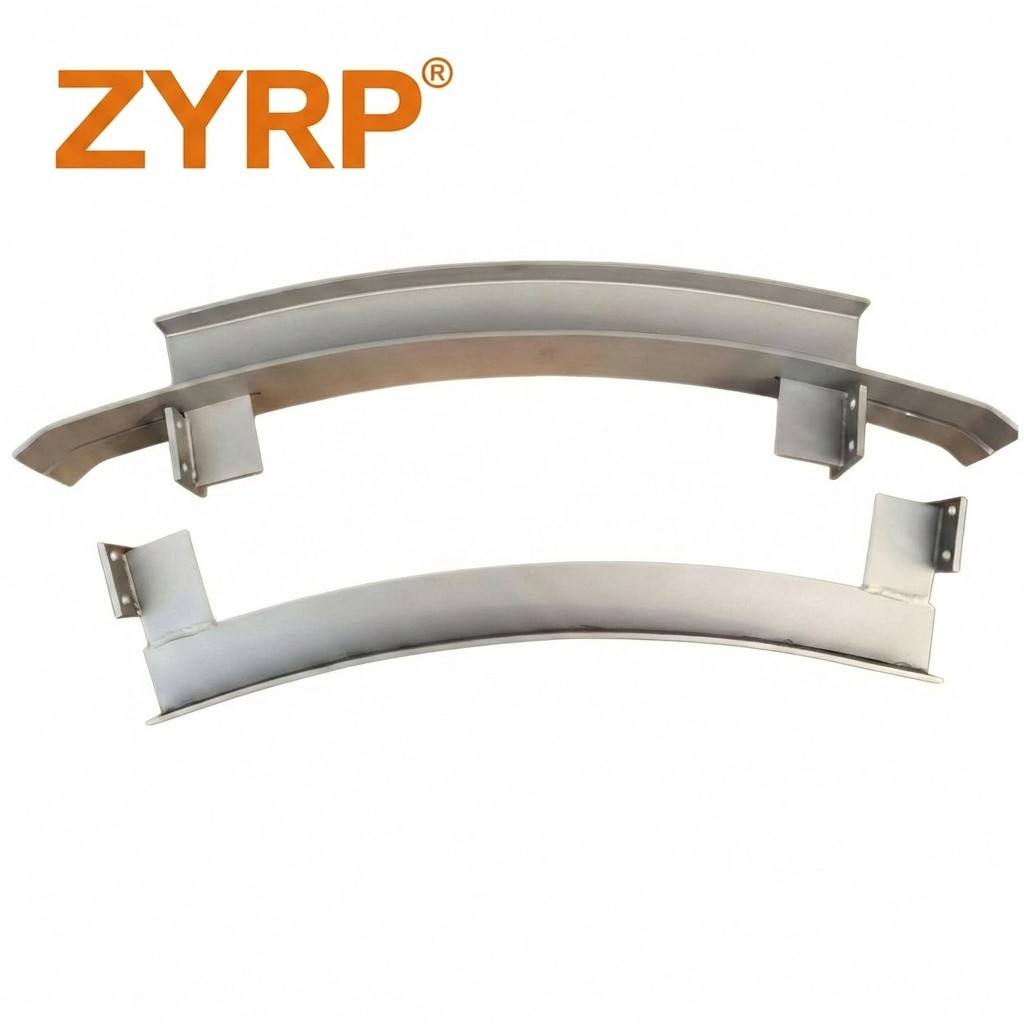
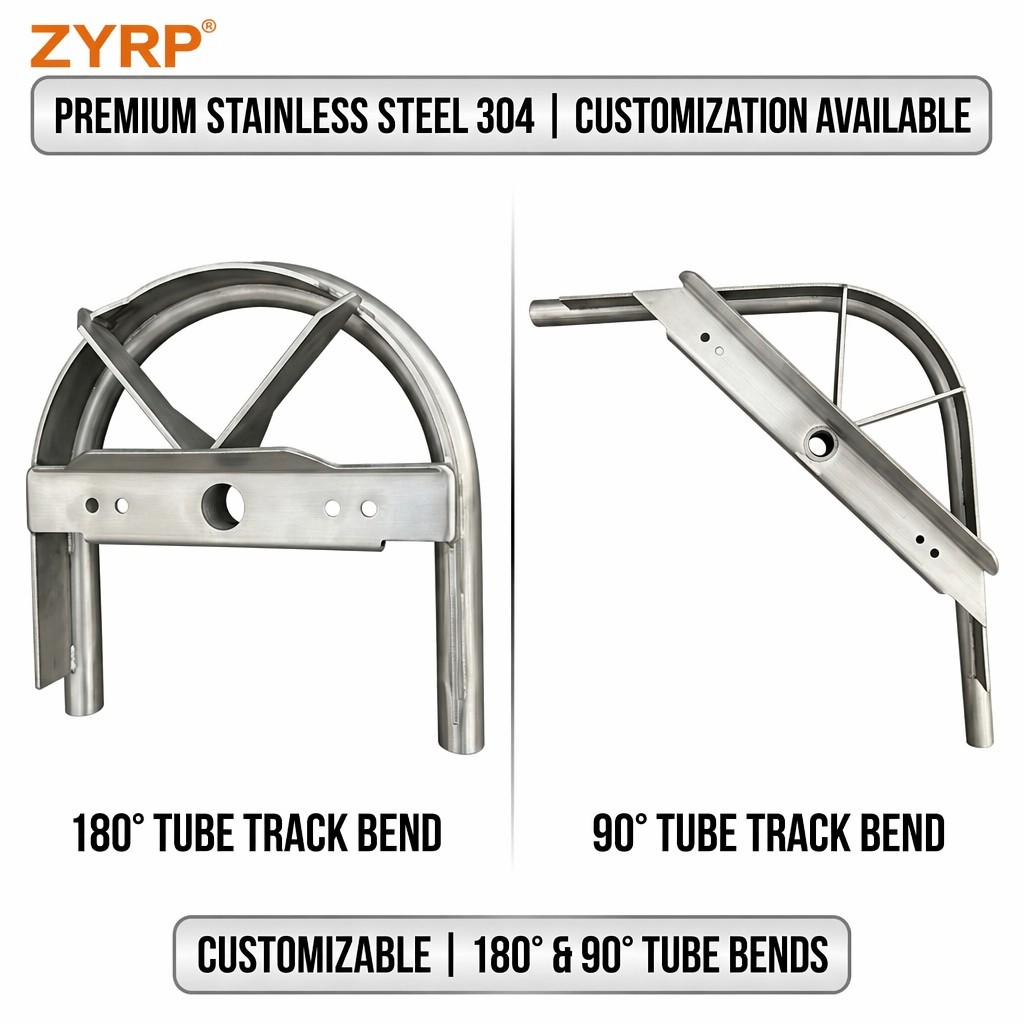
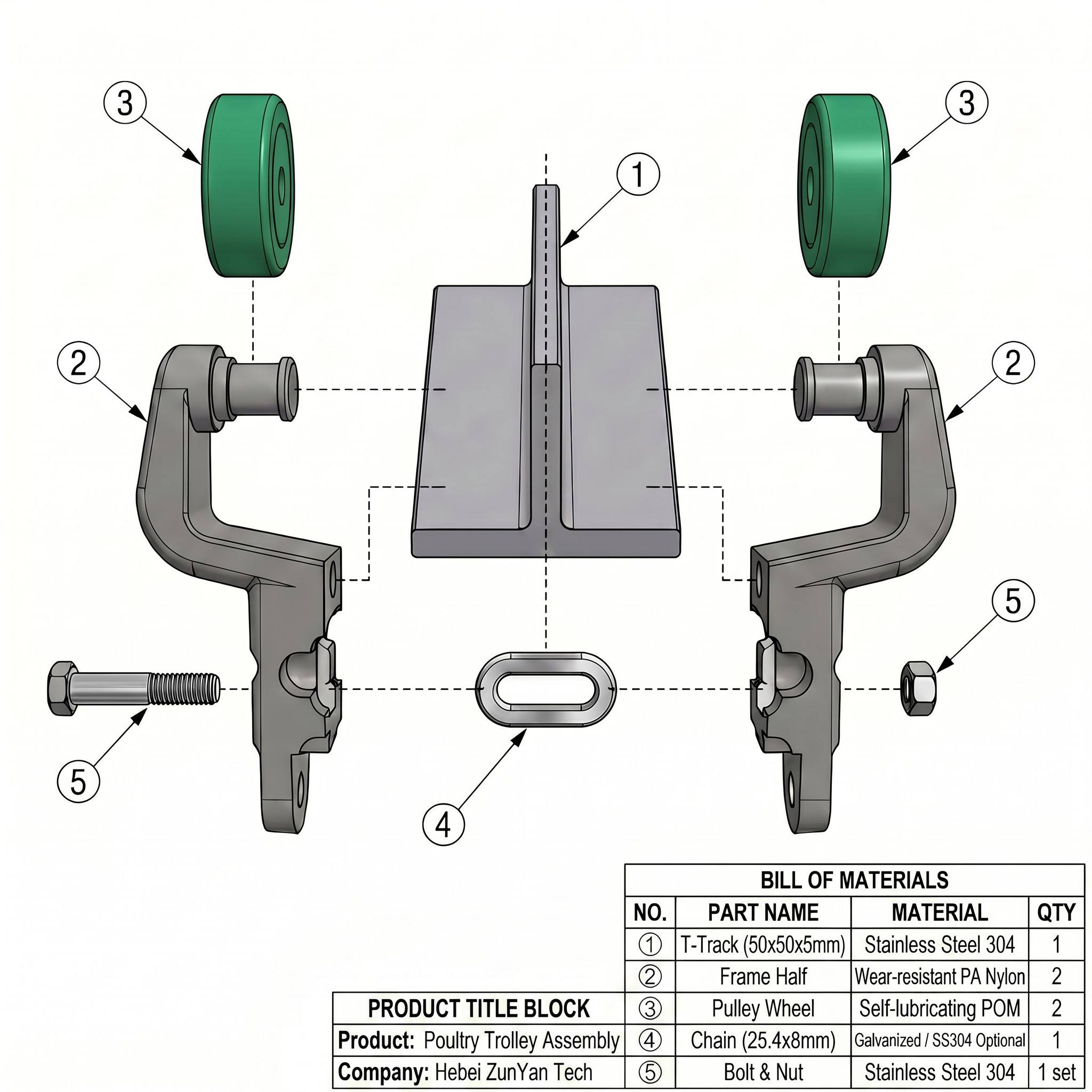
Modern tensioning technology specifically designed for overhead tracks systems provides automatic compensation for thermal expansion and vibration-induced loosening. Overhead tracks spring tensioners maintain consistent connection pressure throughout operational cycles, preventing the gradual fastener relaxation that drives misalignment. Stainless steel construction in premium tensioning systems resists corrosion in harsh industrial environments like food processing facilities where moisture and cleaning chemicals accelerate metal degradation. These tensioning devices absorb vibration energy that would otherwise transmit to mounting structure, reducing the shock loads that destabilize overhead tracks alignment. Facilities investing in professional-grade tensioning solutions for their overhead tracks typically achieve significantly longer service intervals between corrective maintenance actions.
Sensor-based monitoring systems provide real-time data on overhead tracks operating conditions, enabling predictive maintenance before wear becomes visible. Vibration sensors detect the characteristic frequency patterns associated with wheel-rail contact degradation and misalignment-induced side forces. Temperature sensors identify friction-related heat generation that signals excessive wear or binding in overhead tracks systems. When integrated with facility management software, these monitoring systems alert maintenance teams to emerging issues and track wear progression over months and years. Some advanced facilities employ video monitoring that tracks trolley position consistency and identifies load swaying that indicates underlying overhead tracks problems. Investment in monitoring technology pays dividends through extended service life and reduced unplanned downtime.
Overhead tracks should undergo visual inspection monthly and detailed measurement-based inspection quarterly, with frequency increased if operations involve heavy loads or extreme environmental conditions. Many facilities discover alignment problems earlier through continuous monitoring systems that track vibration and position data, enabling intervention before wear accelerates.
Early indicators include uneven wear patterns visible on the rail surface, inconsistent trolley positioning along the overhead tracks run, increased noise or vibration during operation, and localized buildup of debris or metal particles. Catching these signs through regular inspection enables corrective action before significant damage develops.
Yes, most overhead tracks misalignment can be corrected through systematic re-tensioning and re-leveling of mounting brackets and support structure, using laser alignment verification to confirm proper restoration. However, severely damaged rails or bent framework may require section replacement rather than field correction.
 Hot News
2026-09-28
2026-09-21
2026-09-14
2026-09-08
2026-09-01
2026-08-12
Hebei Zunyan Technology provides high-quality poultry processing spare parts for global meat processors. Our stainless steel & plastic eviscerating shackles, chains, and custom CNC components ensure durability, precision, and fast dispatch. 30+ production lines, ISO-aligned quality, 48h shipping. Request quote today.
1901, Unit C19, Tongrui Business Building, Changjiang Sub-district, Yuhua District, Shijiazhuang City, Hebei Province, China
Copyright © 2026 Hebei Zunyan Technology Co., Ltd. All Rights Reserved Privacy Policy
 EN
EN