A stainless steel trolley serves as a critical asset in food processing, poultry handling, and industrial operations where hygiene and durability are non-negotiable. However, owning a stainless steel trolley is only half the equation. Regular and thorough inspection protocols are essential to maintain its integrity, prevent contamination, and extend its operational lifespan. Without proper inspection procedures, even the highest-quality stainless steel trolley can develop hidden defects that compromise product safety and workplace compliance.
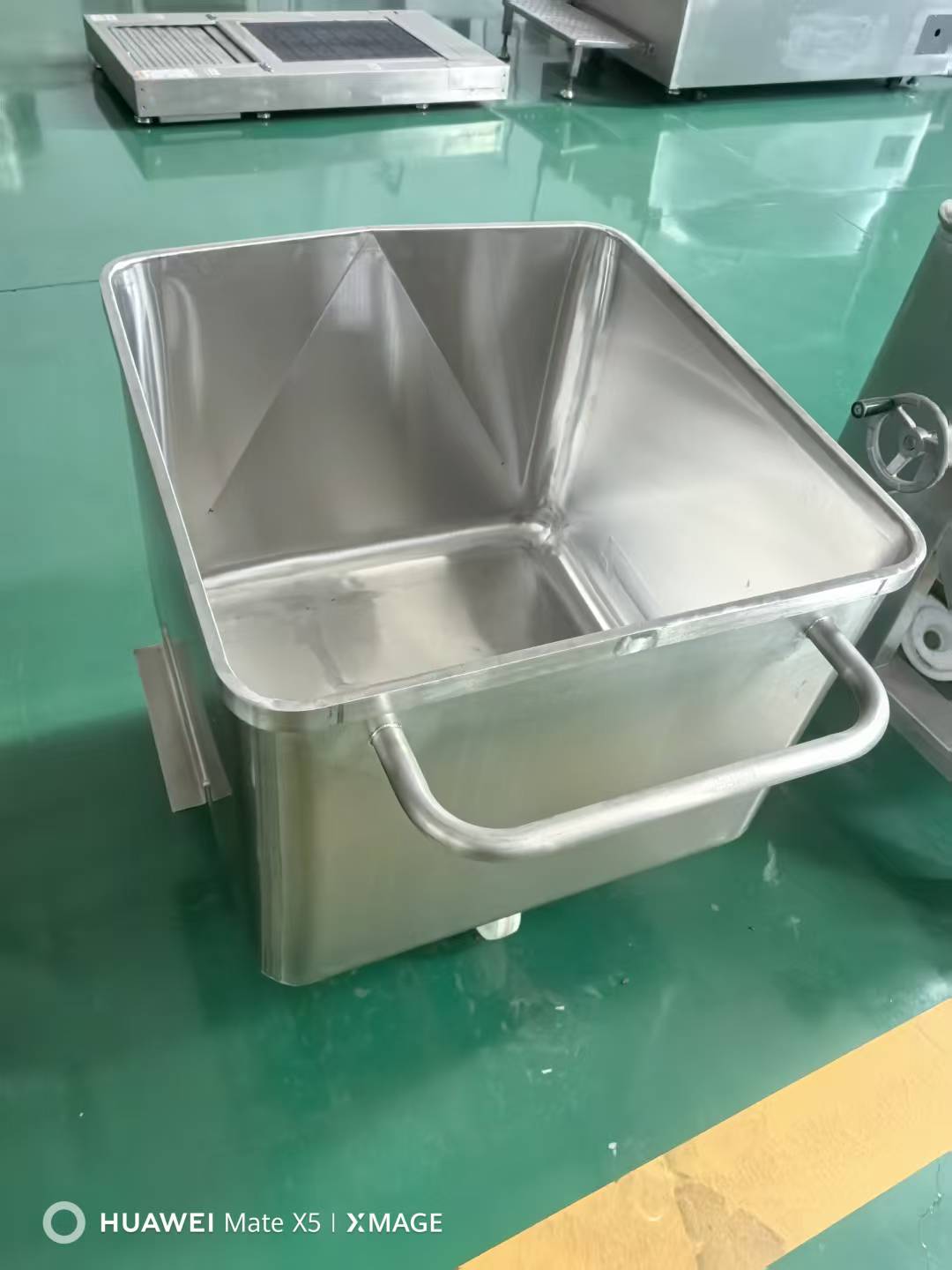
Implementing structured inspection protocols for your stainless steel trolley ensures that equipment remains in optimal condition and complies with regulatory standards. The goal of any effective stainless steel trolley inspection program is to identify wear, corrosion, structural damage, and hygiene issues before they escalate into serious operational problems. This guide outlines essential protocols that food processing facilities, poultry operations, and industrial environments must follow to maintain a safe, compliant stainless steel trolley fleet.
Daily Surface Assessment The foundation of any stainless steel trolley inspection protocol begins with a daily visual surface assessment. Before each shift, operators should conduct a quick walkthrough of the stainless steel trolley, examining all accessible surfaces for visible signs of damage, discoloration, or contamination. This routine check takes only a few minutes but serves as the first line of defense against operational failures and hygiene violations. Look for rust spots, dents, loose fasteners, or surface irregularities that might indicate corrosion beginning to develop on the stainless steel trolley.
During this daily inspection of the stainless steel trolley, pay special attention to areas where water pooling might occur, as moisture retention can accelerate corrosion even on high-grade material. Check wheels and track connections for debris accumulation, which can impede movement and create safety risks. Verify that all shelves or transport surfaces on the stainless steel trolley are secure and not warped. Document any findings in an inspection log to track recurring issues across your stainless steel trolley units.
Mechanical Function Testing Beyond visual assessment, your stainless steel trolley inspection protocol must include hands-on mechanical function testing. Move the stainless steel trolley along its track or pathway and listen for unusual grinding, squeaking, or resistance sounds that could signal wheel wear or track misalignment. Apply gentle downward pressure to shelves to verify structural integrity and ensure no movement indicates weakening welds on the stainless steel trolley. Test braking systems if your stainless steel trolley model includes them, confirming that brakes engage and release smoothly without excessive force.
Check the stainless steel trolley load capacity rating and ensure it has not been exceeded during previous operations. Overloading can cause permanent deformation of the frame or shelves on the stainless steel trolley, compromising safety and hygiene standards. Manually rotate wheels to detect flat spots or uneven wear patterns that necessitate replacement. These mechanical checks should be performed weekly as part of your regular stainless steel trolley inspection routine.
Contamination Detection and Cleaning Verification Food processing and poultry handling facilities must enforce strict hygiene standards for every stainless steel trolley in operation. Your inspection protocol should verify that the stainless steel trolley has been properly cleaned according to facility sanitation schedules. Inspect all crevices, corners, and joints on the stainless steel trolley where bacteria and food particles might accumulate. Use visual inspection combined with ATP swabs or microbiological testing to confirm that the stainless steel trolley meets hygiene requirements before entering production areas.
Any visible residue, discoloration, or biofilm on the stainless steel trolley must trigger immediate re-cleaning. Document these hygiene findings in facility compliance records, as regulatory agencies expect proof that your stainless steel trolley fleet meets established sanitation standards. Establish a color-coded tagging system where each stainless steel trolley receives a daily tag confirming it has passed hygiene inspection. This visual system helps staff quickly identify which stainless steel trolley units are approved for production.
Material Compatibility and Cross-Contamination Risk Assessment Your stainless steel trolley inspection protocol should verify that the equipment has not been exposed to agents that cause material degradation. Examine the stainless steel trolley for signs that acidic, corrosive, or incompatible materials have contacted its surfaces. High-grade stainless steel is resistant to most food products, but harsh cleaning chemicals can damage the protective oxide layer on your stainless steel trolley if left in contact too long. Confirm that only approved cleaning solutions are used on each stainless steel trolley unit.
Corrosion Detection and Grade Verification While stainless steel resists corrosion, the specific grade of your stainless steel trolley determines its actual performance in your operating environment. Your inspection protocol must identify the stainless steel trolley grade and verify that it matches the intended application. Grade 304 is suitable for most general food processing, but Grade 316 provides superior corrosion resistance in high-chloride, high-moisture environments typical of poultry facilities. If your stainless steel trolley shows unexpected corrosion, the grade may be inadequate for your operating conditions.
Inspect welds carefully on your stainless steel trolley, as improper welding techniques or contamination during fabrication can create localized corrosion points. Pitting corrosion is particularly problematic because it penetrates deeply into the stainless steel trolley material while appearing minor on the surface. Establish a replacement threshold for your stainless steel trolley based on the extent of corrosion found during inspection.
Structural Fatigue and Weld Integrity Heavy-use environments place significant stress on a stainless steel trolley frame and welds. Periodic non-destructive testing, such as ultrasonic or dye-penetrant testing, should be performed on critical welds of your stainless steel trolley. Over years of operation, repeated loading and thermal cycling can cause micro-fractures in the stainless steel trolley structure. Document all repairs to each stainless steel trolley unit to identify recurring failure patterns and ensure fleet safety.
A stainless steel trolley should undergo daily visual inspection before each shift. Weekly mechanical checks and quarterly in-depth assessments are recommended for high-use operations. Facilities handling raw poultry or high-moisture food products typically require more frequent stainless steel trolley inspection routines.
The most common failure points on a stainless steel trolley include wheel bearings, braking mechanisms, welded joints, and moisture-retaining crevices. Loose fasteners on the stainless steel trolley frame also warrant attention to avoid safety and hygiene hazards.
Minor surface corrosion on a stainless steel trolley can often be corrected with chemical passivation. However, deep pitting or structural crack development on a stainless steel trolley typically requires component replacement rather than repair to ensure food safety compliance.
 Hot News
2026-09-28
2026-09-21
2026-09-14
2026-09-08
2026-09-01
2026-08-12
Hebei Zunyan Technology provides high-quality poultry processing spare parts for global meat processors. Our stainless steel & plastic eviscerating shackles, chains, and custom CNC components ensure durability, precision, and fast dispatch. 30+ production lines, ISO-aligned quality, 48h shipping. Request quote today.
1901, Unit C19, Tongrui Business Building, Changjiang Sub-district, Yuhua District, Shijiazhuang City, Hebei Province, China
Copyright © 2026 Hebei Zunyan Technology Co., Ltd. All Rights Reserved Privacy Policy
 EN
EN