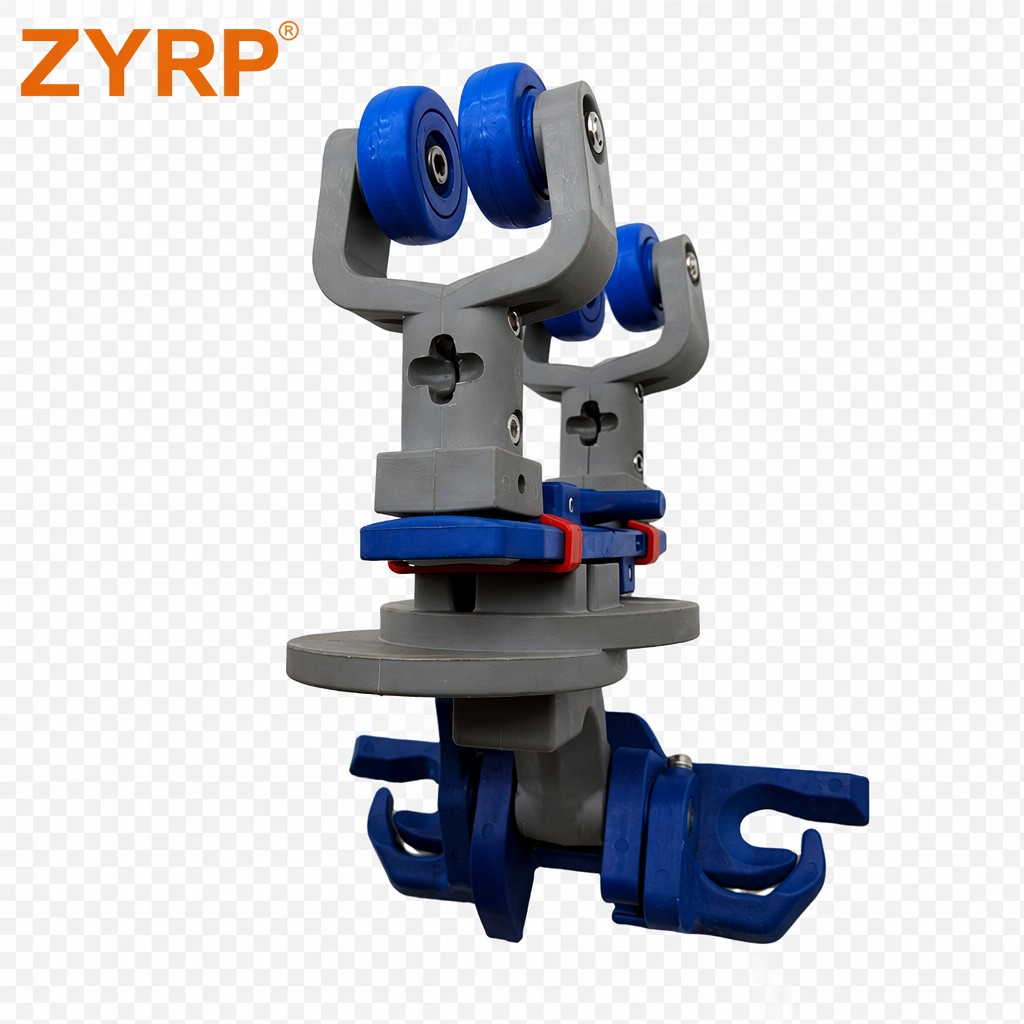
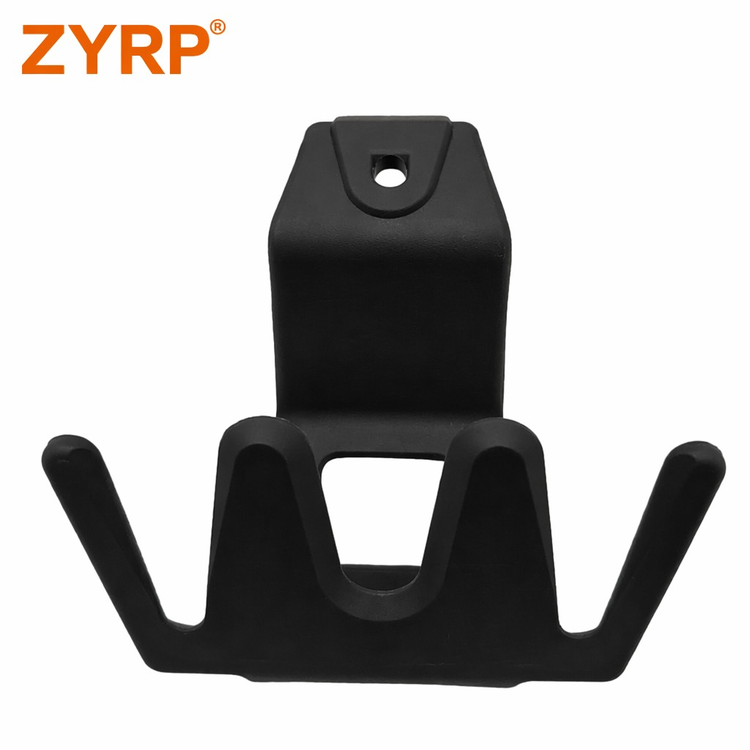
Effective lubrication of your poultry trolley roller system is fundamental to maintaining smooth, efficient operations in modern poultry processing facilities. A well-maintained poultry trolley roller ensures consistent product movement, reduces unexpected downtime, and extends the lifespan of expensive overhead conveyor infrastructure. When poultry trolley roller components operate with inadequate lubrication, friction increases, wear accelerates, and production delays become inevitable. Understanding the critical role that poultry trolley roller lubrication plays can help facility managers make informed decisions about maintenance protocols and equipment investments.
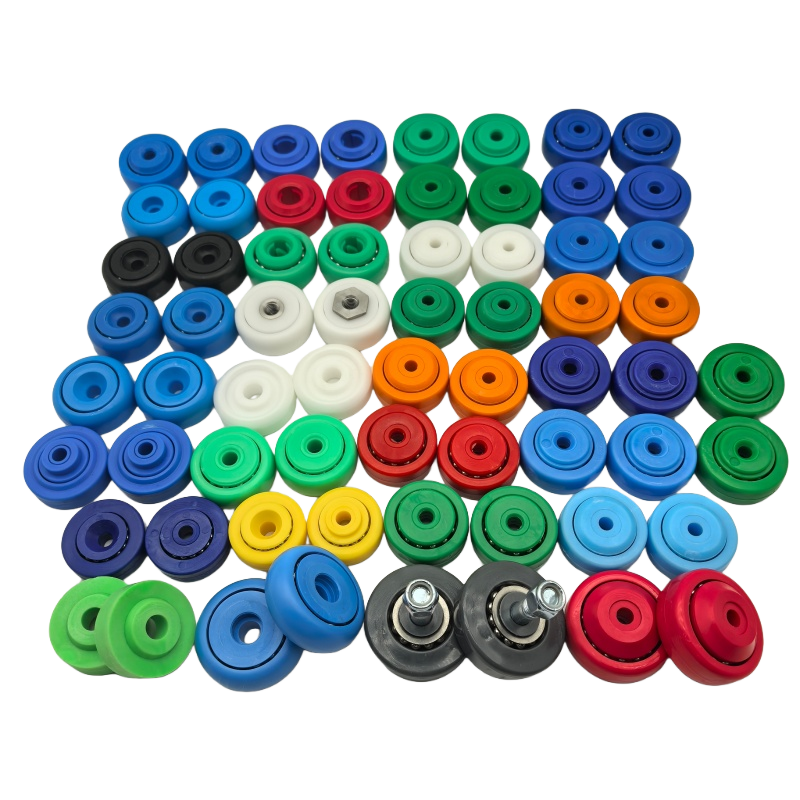
The poultry trolley roller operates in one of the most demanding environments in food processing, where cleanliness, sanitation, and mechanical reliability must coexist. Your poultry trolley roller systems handle thousands of trolley passes daily, each one introducing stress on bearing surfaces and moving components. Proper lubrication strategies specifically designed for the poultry trolley roller application prevent metal-to-metal contact, reduce heat generation, and support FDA-compliant food-safe operations. This guide explores comprehensive lubrication best practices, system design considerations, and maintenance approaches that maximize the performance and longevity of your poultry trolley roller investment.
Why Specialized Lubrication Matters for Poultry Trolley Roller Systems Standard industrial lubricants often fall short in poultry processing environments, where contamination risks and sanitation demands are exceptionally high. The poultry trolley roller requires lubrication formulations that resist washdown exposure, maintain viscosity consistency in temperature fluctuations, and comply with food contact surface regulations. Most poultry facilities employ overhead conveyor systems where the poultry trolley roller operates continuously under load, necessitating lubrication solutions engineered specifically for this application. When your poultry trolley roller receives inadequate or incorrect lubrication, bearing surface degradation accelerates exponentially, leading to increased energy consumption and eventual equipment failure.
Key Performance Indicators for Poultry Trolley Roller Maintenance Monitoring specific performance metrics helps facility operators assess whether current poultry trolley roller lubrication strategies are effective. Excessive noise from conveyor operation often signals inadequate poultry trolley roller lubrication or contamination. Temperature rise in the trolley system, reduced conveyor speed without equipment changes, and visible rust or corrosion on the poultry trolley roller indicate lubrication failure. Regular inspection intervals, typically every two to four weeks depending on processing volume, allow maintenance teams to identify poultry trolley roller issues before they cascade into production shutdowns. Tracking these indicators provides data-driven insights into whether current lubrication protocols adequately protect your poultry trolley roller investment.
Automated Lubrication Solutions for Poultry Trolley Roller Systems Manual lubrication approaches often result in inconsistent poultry trolley roller maintenance, where some components receive excess lubricant while others become dry. Modern poultry trolley roller installations increasingly incorporate automated systems that deliver precise lubricant quantities at programmed intervals. Automated poultry trolley roller lubrication reduces labor costs, minimizes product contamination from over-lubrication, and ensures consistent performance across all conveyor zones. Many modern facilities employ centralized poultry trolley roller lubrication networks that supply multiple conveyor stations from a single monitoring point, dramatically improving maintenance efficiency and compliance documentation.
Food-Safe Lubricant Selection for Poultry Trolley Roller Applications Selecting the correct lubricant formulation directly impacts both poultry trolley roller lifespan and facility sanitation standards. NSF H1-approved lubricants specifically formulated for food processing environments ensure your poultry trolley roller receives protection while maintaining compliance with food safety regulations. Synthetic poultry trolley roller lubricants often outperform mineral-based alternatives in temperature stability and oxidation resistance, though cost considerations must factor into purchasing decisions. The poultry trolley roller operates in wet, washdown-prone conditions where water ingress can degrade conventional lubricants, making waterproof or water-resistant formulations essential for extended poultry trolley roller performance.
Preventive Maintenance Schedules for Poultry Trolley Roller Equipment Establishing structured preventive maintenance schedules ensures your poultry trolley roller receives consistent attention before problems develop. Daily visual inspections of conveyor operation, weekly lubrication replenishment checks, and monthly thorough cleaning cycles form the foundation of effective poultry trolley roller care. Seasonal transitions, particularly entering high-humidity periods, often require poultry trolley roller lubrication adjustments to account for moisture ingress and temperature variations. Documentation systems that track every poultry trolley roller maintenance intervention create valuable historical records, helping facility managers identify patterns and optimize maintenance frequency based on actual equipment performance data.
Common Poultry Trolley Roller Problems and Solutions When poultry trolley roller systems exhibit performance degradation, systematic troubleshooting reveals the underlying causes. Squeaking or grinding sounds often indicate contaminated poultry trolley roller lubricant requiring immediate cartridge replacement and bearing cavity cleaning. Sluggish conveyor movement despite normal motor operation suggests viscosity mismatch or excessive poultry trolley roller lubrication causing drag resistance. Rust formations on the poultry trolley roller despite recent lubrication may signal lubricant incompatibility with bearing material or inadequate lubrication frequency for current processing volumes. Addressing these poultry trolley roller issues promptly prevents cascading failures that multiply repair costs and extend downtime.
Lubrication frequency for your poultry trolley roller depends on processing volume, environmental conditions, and equipment age. Most facilities maintaining high-volume poultry processing operations require poultry trolley roller lubrication every two to three weeks during normal production cycles. Automated poultry trolley roller lubrication systems can supply lubricant daily in minimal quantities, providing superior protection compared to infrequent manual applications. Consult your equipment manufacturer specifications and monitor your poultry trolley roller performance indicators to establish the optimal schedule for your specific installation.
NSF H1-approved synthetic lubricants specifically formulated for food processing represent the gold standard for poultry trolley roller maintenance. These poultry trolley roller lubricants offer superior water resistance, temperature stability, and oxidation resistance compared to conventional mineral oils. When selecting lubricant for your poultry trolley roller, verify that the product meets food safety certifications, resists washdown exposure, and matches the viscosity grade recommended by your equipment manufacturer. Switching lubricant types for your poultry trolley roller requires thorough system flushing to prevent mixing incompatible formulations.
Yes, inadequate poultry trolley roller lubrication represents one of the most common causes of unexpected conveyor failures in poultry facilities. When your poultry trolley roller operates with insufficient lubricant, friction generates excessive heat, accelerating bearing surface degradation and eventually causing complete mechanical seizure. A seized poultry trolley roller stops the entire overhead conveyor system, halting production immediately and creating costly downtime. Investing in proper poultry trolley roller lubrication maintenance prevents such failures and delivers substantial returns through uninterrupted production continuity and extended equipment lifespan.
 Hot News
2026-09-28
2026-09-21
2026-09-14
2026-09-08
2026-09-01
2026-08-12
Hebei Zunyan Technology provides high-quality poultry processing spare parts for global meat processors. Our stainless steel & plastic eviscerating shackles, chains, and custom CNC components ensure durability, precision, and fast dispatch. 30+ production lines, ISO-aligned quality, 48h shipping. Request quote today.
1901, Unit C19, Tongrui Business Building, Changjiang Sub-district, Yuhua District, Shijiazhuang City, Hebei Province, China
Copyright © 2026 Hebei Zunyan Technology Co., Ltd. All Rights Reserved Privacy Policy
 EN
EN