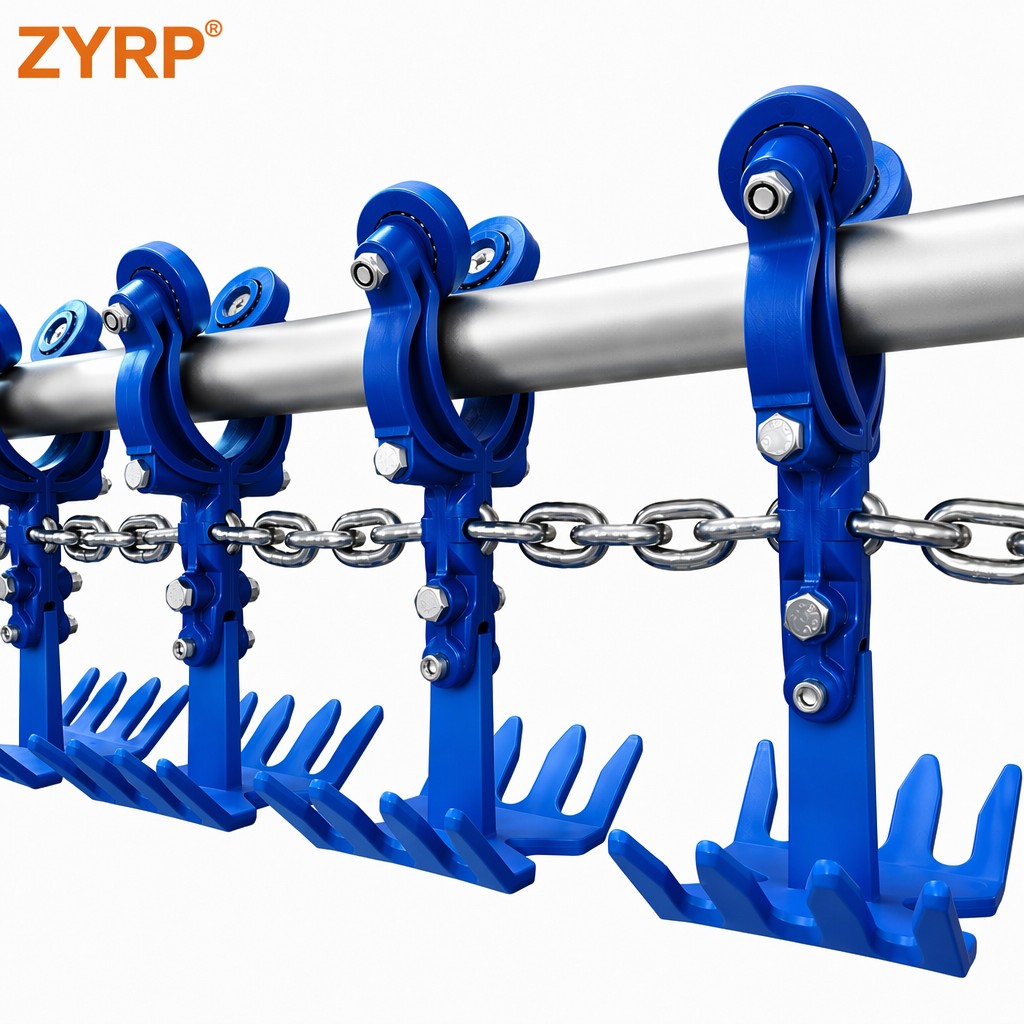
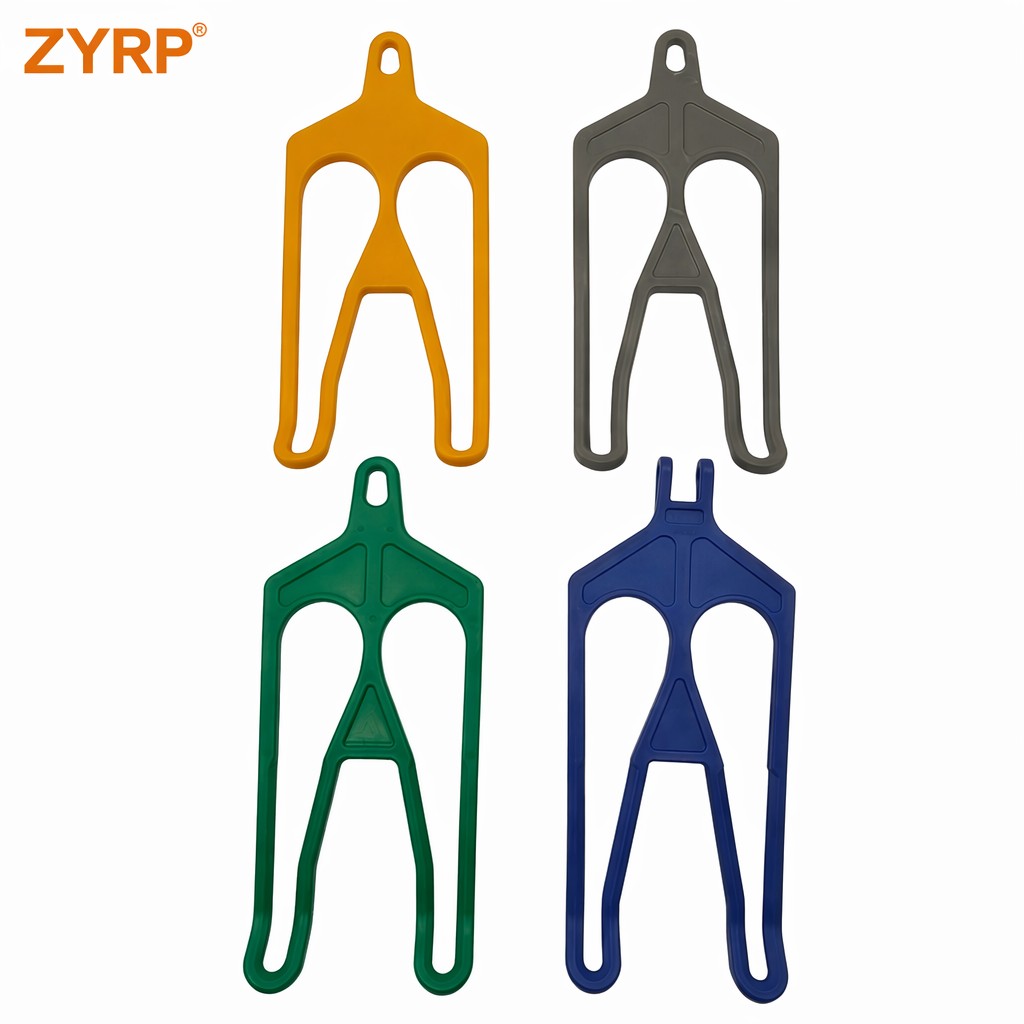
In modern poultry processing facilities, the plastic trolley has become an essential component of overhead conveyor systems. These specialized carriers move products rapidly through multiple processing stages, from evisceration to packaging, operating continuously at demanding speeds. The wear life of a plastic trolley directly impacts production efficiency, maintenance costs, and overall line uptime. Understanding what factors influence plastic trolley longevity in high-speed environments is critical for facility managers seeking to optimize their processing operations and reduce unexpected equipment failures.
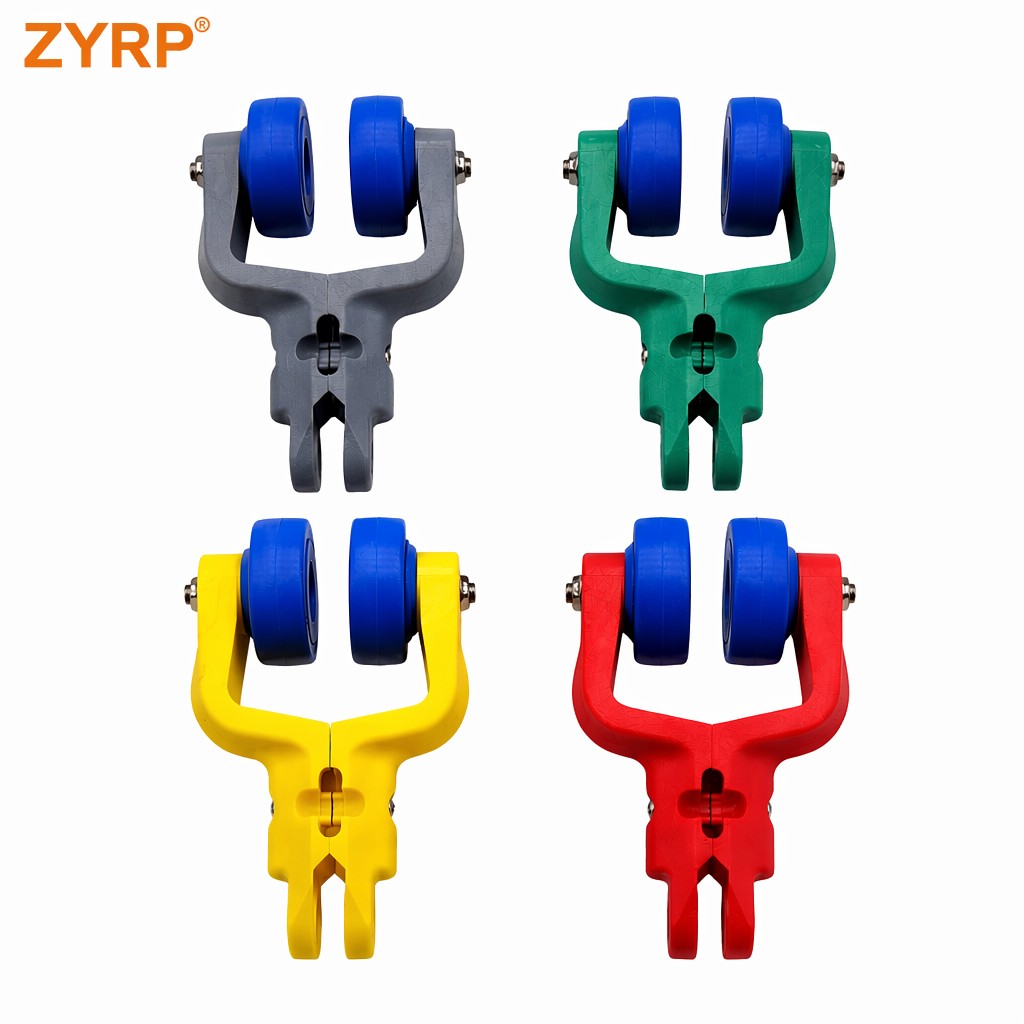
The performance characteristics of a plastic trolley under high-speed operation depend on material composition, mechanical design, environmental conditions, and maintenance protocols. High-speed conveyor lines typically operate at 40 to 200 cycles per minute, subjecting each plastic trolley to thousands of load cycles, directional changes, and impact forces daily. Facilities that understand the specific wear mechanisms affecting their plastic trolley fleet can implement targeted interventions that extend service life by 30 to 50 percent, significantly reducing capital replacement expenses and line disruptions.
A plastic trolley built for high-speed processing environments uses engineered polymers specifically selected for strength, dimensional stability, and wear resistance. Acetal copolymer (POM), reinforced nylon, and advanced polyester compounds are common materials chosen for plastic trolley construction because they withstand repetitive mechanical stress without creeping or deforming. These materials outperform standard polyethylene in high-speed applications because they maintain consistent geometry under continuous thermal and mechanical loading. When selecting a plastic trolley for your facility, confirm that the material specifications match the speed and duty cycle of your conveyor system. A properly engineered plastic trolley with premium polymer formulation typically delivers 18 to 36 months of reliable service in high-speed lines operating 16 to 24 hours daily.
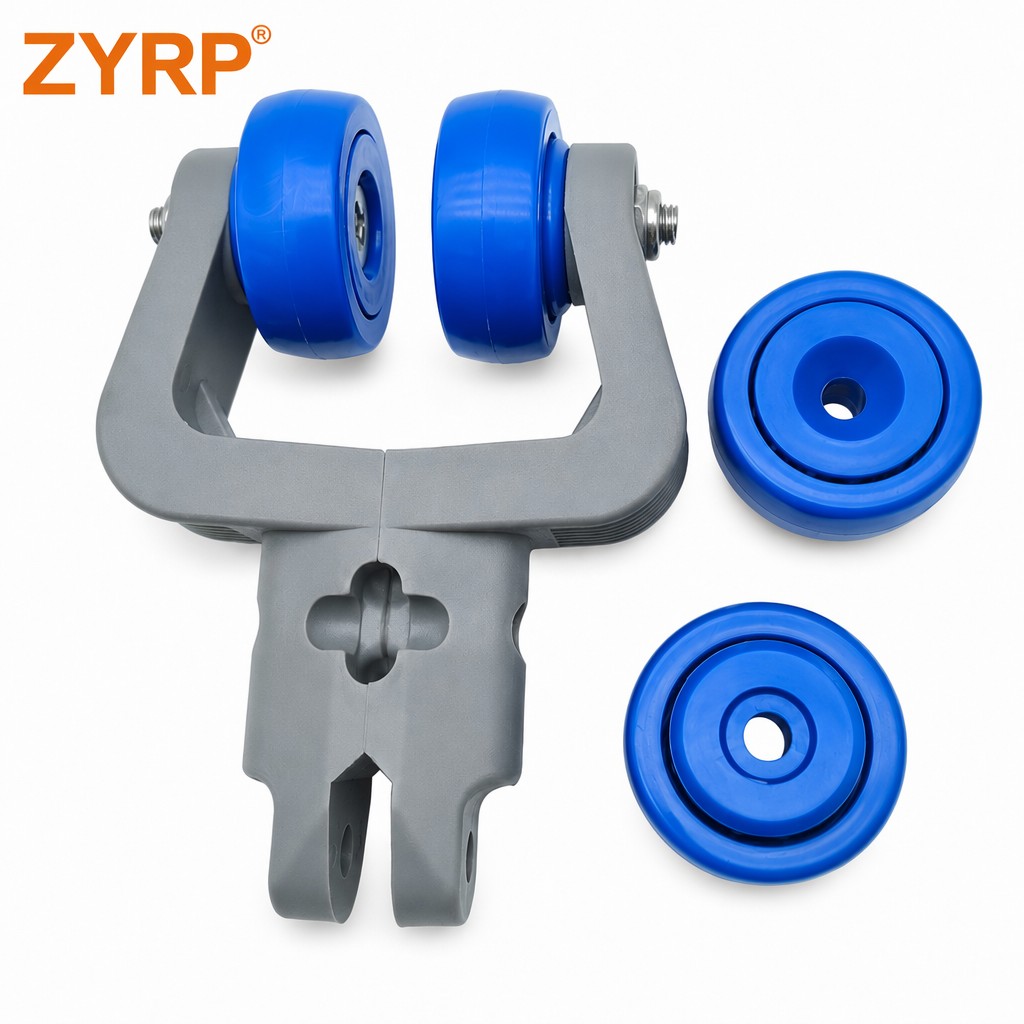
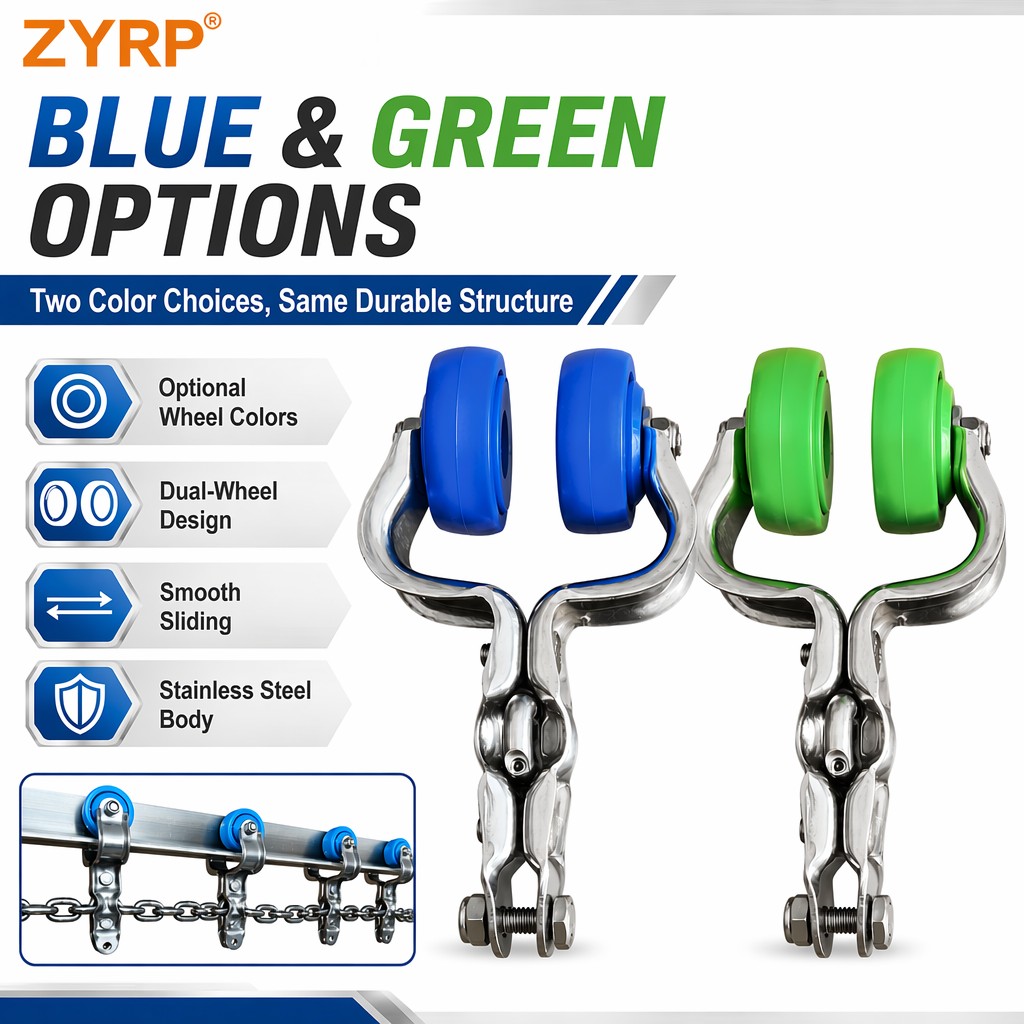
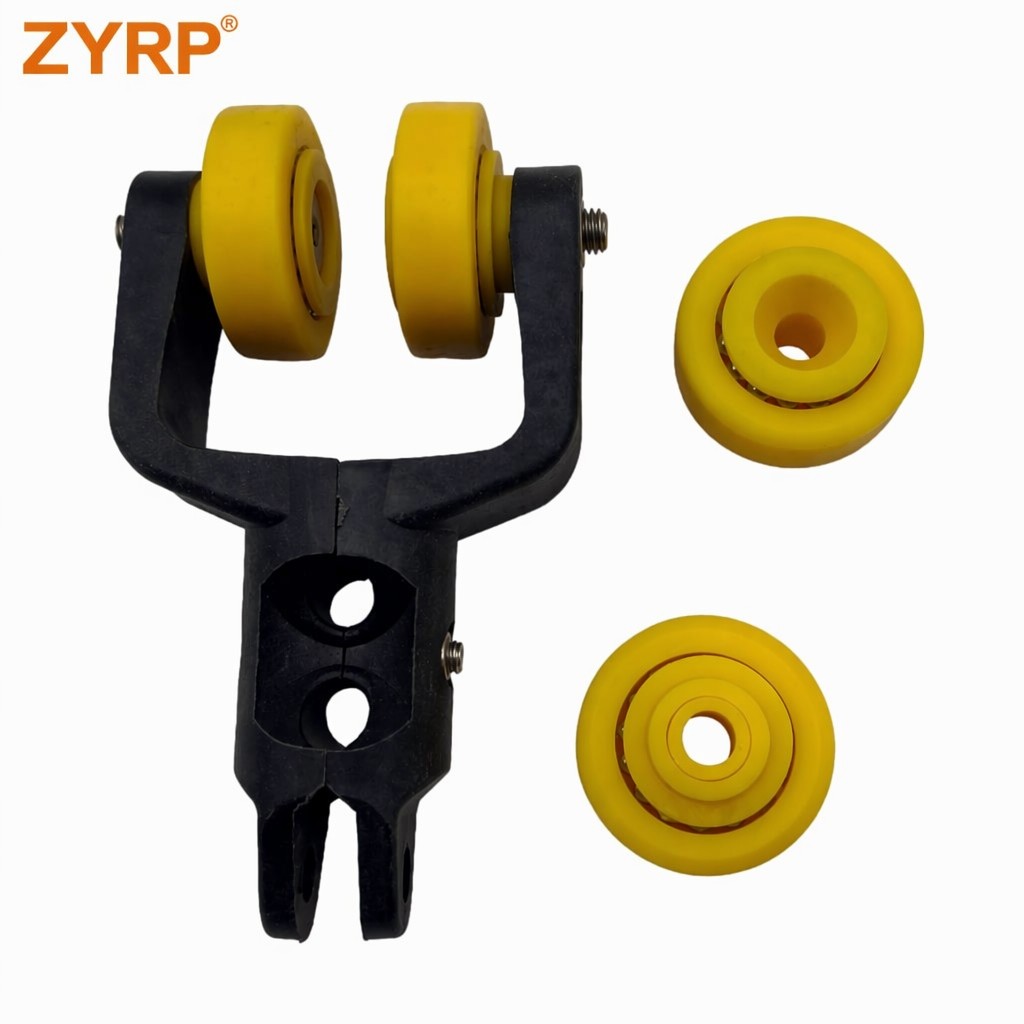
The wear resistance of a plastic trolley is heavily influenced by its roller and bearing assembly. Rollers made from reinforced polyoxymethylene (POM) or sealed ball bearings reduce friction and extend the plastic trolley lifespan by distributing loads evenly across the conveyor chain or track. High-speed environments create significant rotational forces on these components, making bearing quality a primary determinant of overall plastic trolley durability. Trolleys equipped with precision-machined rollers and low-friction coatings demonstrate superior wear patterns compared to standard alternatives. The integration of advanced roller technology into a modern plastic trolley can increase its wear resistance by 40 to 60 percent, translating to measurable cost savings over the asset lifecycle.
Every cycle that a plastic trolley completes on a high-speed line generates mechanical stress that accumulates over time. High-speed conveyor systems create repeated load cycles, rapid acceleration and deceleration, and lateral forces during transfers and directional changes. The plastic trolley's attachment points, roller bearings, and load-bearing surfaces experience fatigue cycles that gradually weaken the material structure. In high-speed lines operating at 150 to 200 cycles per minute, a single plastic trolley endures over 144,000 stress cycles daily. This relentless mechanical action causes microcracking in the polymer matrix, bearing race wear, and progressive loss of dimensional stability. Facilities should monitor for signs of wear such as increased noise levels, roller wobbling, or reduced tracking accuracy on their plastic trolley fleet, as these early indicators signal approaching failure and enable proactive replacement before catastrophic breakdown.
A plastic trolley operating in high-speed processing lines is exposed to thermal cycles that accelerate material degradation. Processing facilities often operate at elevated ambient temperatures, with direct exposure to steam, sanitization solutions, and occasional hot-water cleaning procedures. These environmental factors cause the polymer in a plastic trolley to lose flexibility and become brittle over extended periods. Thermal cycling—where the plastic trolley shifts between warm processing zones and cooler transport sections—induces expansion and contraction stress that weakens mechanical joints and bearing assemblies. Facilities in warm climates or those using aggressive thermal cleaning schedules typically observe reduced wear life in their plastic trolley systems compared to facilities with more moderate operating conditions. Selecting a plastic trolley with UV stabilization and thermal resistance coatings can mitigate environmental degradation and preserve structural integrity over longer service periods.
Implementing a structured maintenance program is the most effective method for extending plastic trolley wear life in high-speed applications. Regular inspection protocols should assess bearing clearance, roller alignment, load-bearing surface condition, and attachment point integrity on each plastic trolley at defined intervals. Early detection of roller misalignment or bearing wear allows technicians to address deterioration before cascading failures damage the trolley structure or disrupt production flow. A comprehensive maintenance schedule for a plastic trolley fleet typically includes monthly visual inspections, quarterly detailed assessments, and annual replacement of consumable components like bearing seals and roller bushings. Facilities that implement condition monitoring systems—including vibration analysis and wear particle sampling—can achieve wear life extensions of 20 to 35 percent compared to reactive maintenance approaches. This proactive plastic trolley management strategy reduces unplanned downtime and enables more accurate capital budgeting for fleet replacement cycles.
Proper lubrication is fundamental to maximizing wear life for any plastic trolley in high-speed service. Roller bearings and moving joints require regular application of food-grade or marine-grade lubricants specifically formulated for sealed bearing systems and polymer surfaces. Inadequate lubrication accelerates bearing race wear and increases friction, which generates heat that degrades the polymer material in a plastic trolley. Conversely, excessive lubrication attracts dust and contaminants that abrade bearing races and roller surfaces. A plastic trolley designed with sealed bearing cartridges minimizes lubrication requirements while maintaining consistent performance. Facilities should establish lubrication schedules aligned with production cycle intensity, applying lubricant every 200 to 500 operating hours depending on the specific plastic trolley model and environmental conditions. Proper lubrication practices can extend plastic trolley service life by 25 to 45 percent while reducing replacement frequency and associated operational disruptions.
A well-maintained plastic trolley typically delivers 18 to 36 months of service in high-speed conveyor lines operating 16 to 24 hours daily. Wear life depends on operational speed, product load consistency, maintenance quality, and environmental conditions. Facilities operating at moderate speeds with excellent maintenance protocols may achieve wear lives exceeding 40 months, while harsh environments or poorly maintained systems may see plastic trolley failures within 12 to 15 months.
Warning signs that a plastic trolley is approaching end-of-life include increased operational noise from the conveyor system, visible cracking or deformation of the trolley frame, roller wobbling or misalignment, and degraded tracking performance. Additionally, if bearing clearance has expanded beyond manufacturer tolerances or if a plastic trolley shows visible material brittleness when inspected, replacement should be scheduled promptly to prevent production interruptions and safety hazards.
Yes, material selection is one of the most influential factors affecting plastic trolley wear life. Engineering-grade polymers like acetal copolymer (POM) and reinforced nylon offer superior wear resistance compared to standard plastics. A plastic trolley manufactured from premium materials with advanced roller technology and sealed bearing systems can achieve 40 to 60 percent longer service life than basic alternatives, justifying the higher initial capital investment through reduced replacement frequency and maintenance costs.
 Hot News
2026-09-28
2026-09-21
2026-09-14
2026-09-08
2026-09-01
2026-08-12
Hebei Zunyan Technology provides high-quality poultry processing spare parts for global meat processors. Our stainless steel & plastic eviscerating shackles, chains, and custom CNC components ensure durability, precision, and fast dispatch. 30+ production lines, ISO-aligned quality, 48h shipping. Request quote today.
1901, Unit C19, Tongrui Business Building, Changjiang Sub-district, Yuhua District, Shijiazhuang City, Hebei Province, China
Copyright © 2026 Hebei Zunyan Technology Co., Ltd. All Rights Reserved Privacy Policy
 EN
EN