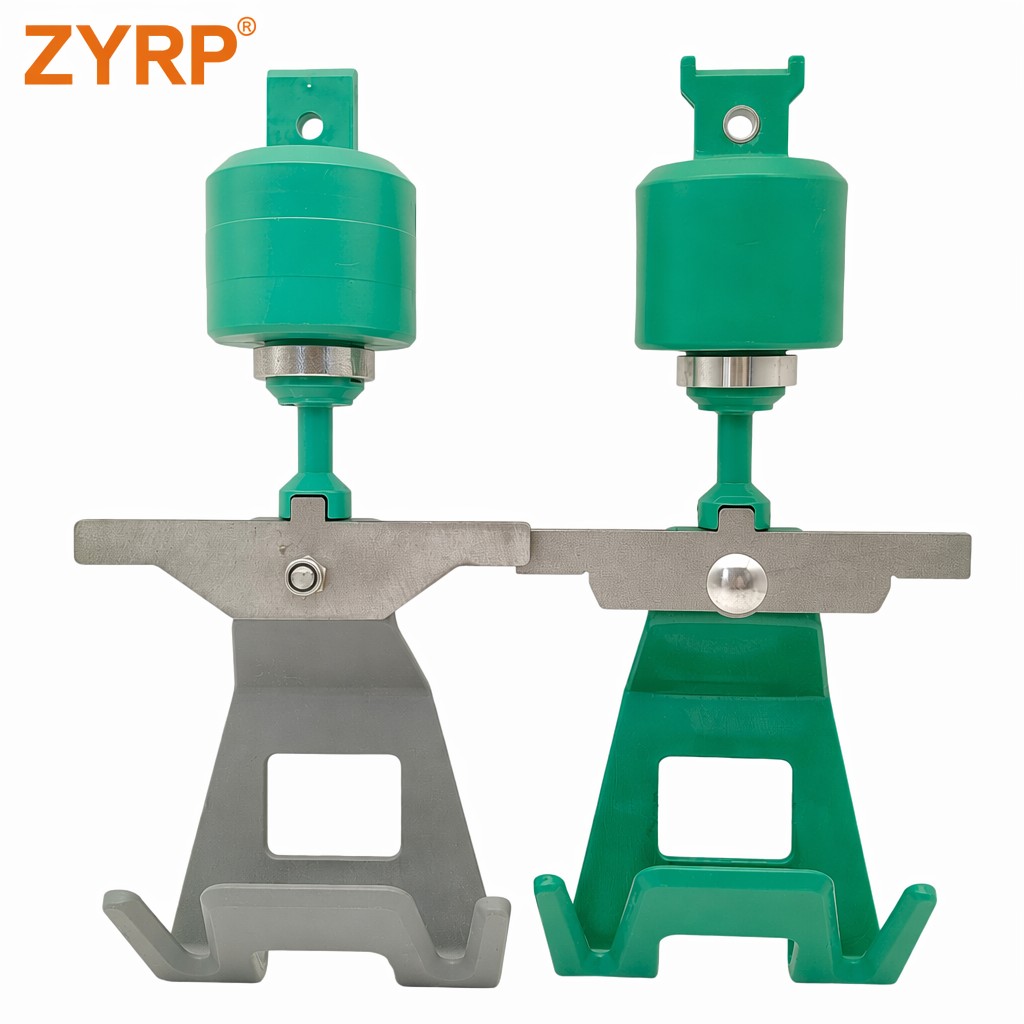
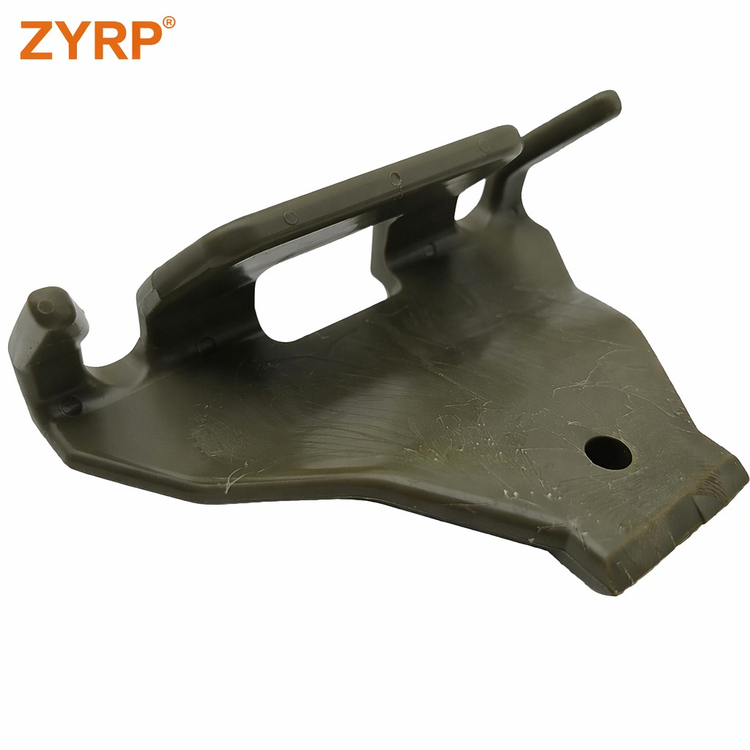
Modern processing facilities depend on reliable overhead conveyor components to maintain operational continuity and food safety standards. Implementing structured poultry trolley wear inspection techniques is vital because the trolley handles thousands of birds daily under demanding conditions. Without reliable testing, plants risk unexpected downtime, product contamination, and financial losses. Understanding how to execute effective poultry trolley wear inspection routines before component failure occurs is essential for any plant prioritizing efficiency.
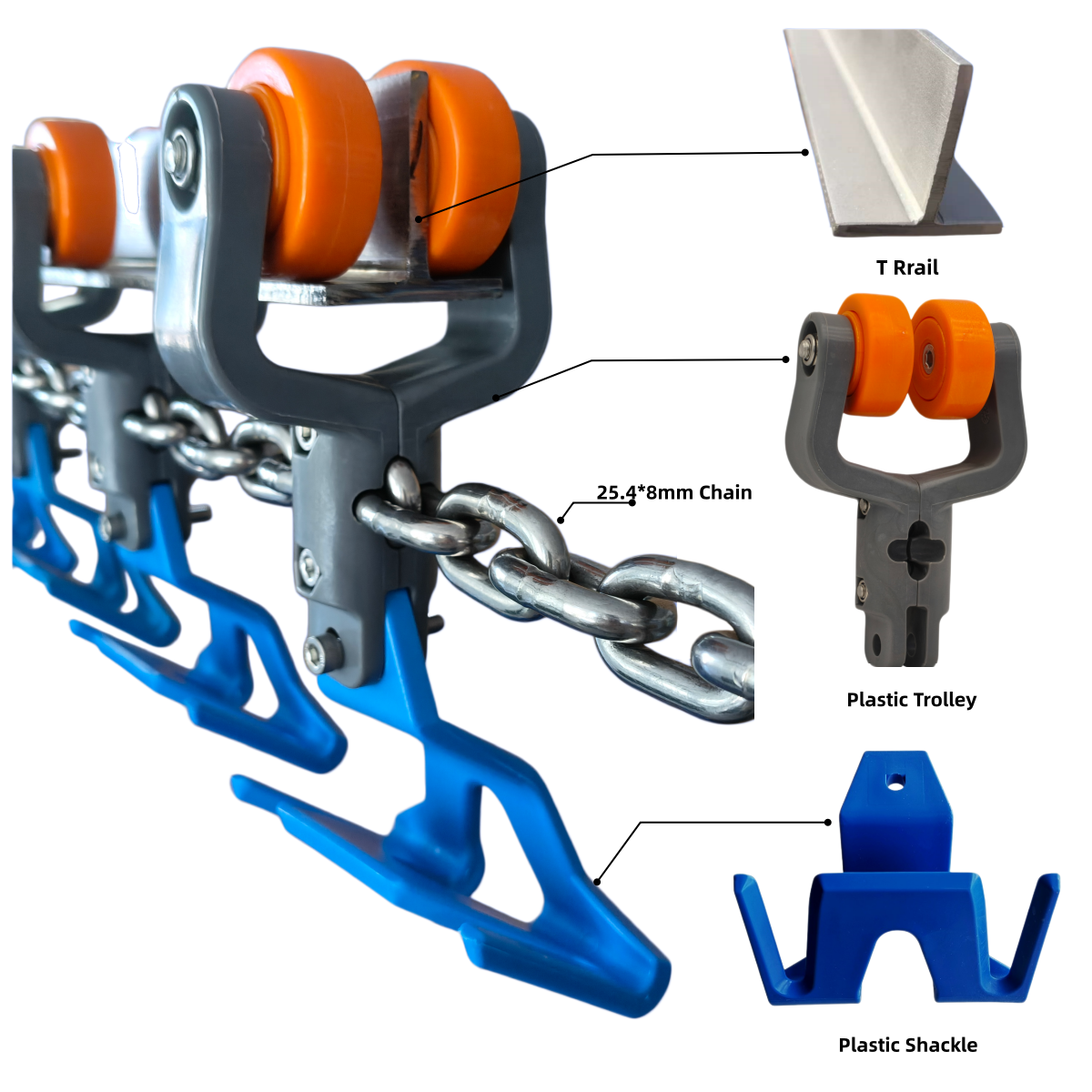
Technologies supporting poultry trolley wear inspection have evolved beyond simple visual checks into sophisticated diagnostic systems. Modern poultry trolley maintenance leverages these non-destructive evaluation tools to detect structural fatigue and material thinning at early stages. By establishing a dedicated conveyor trolley inspection protocol, processing plants reduce maintenance budgets, enhance workplace safety, and extend component lifespans considerably.
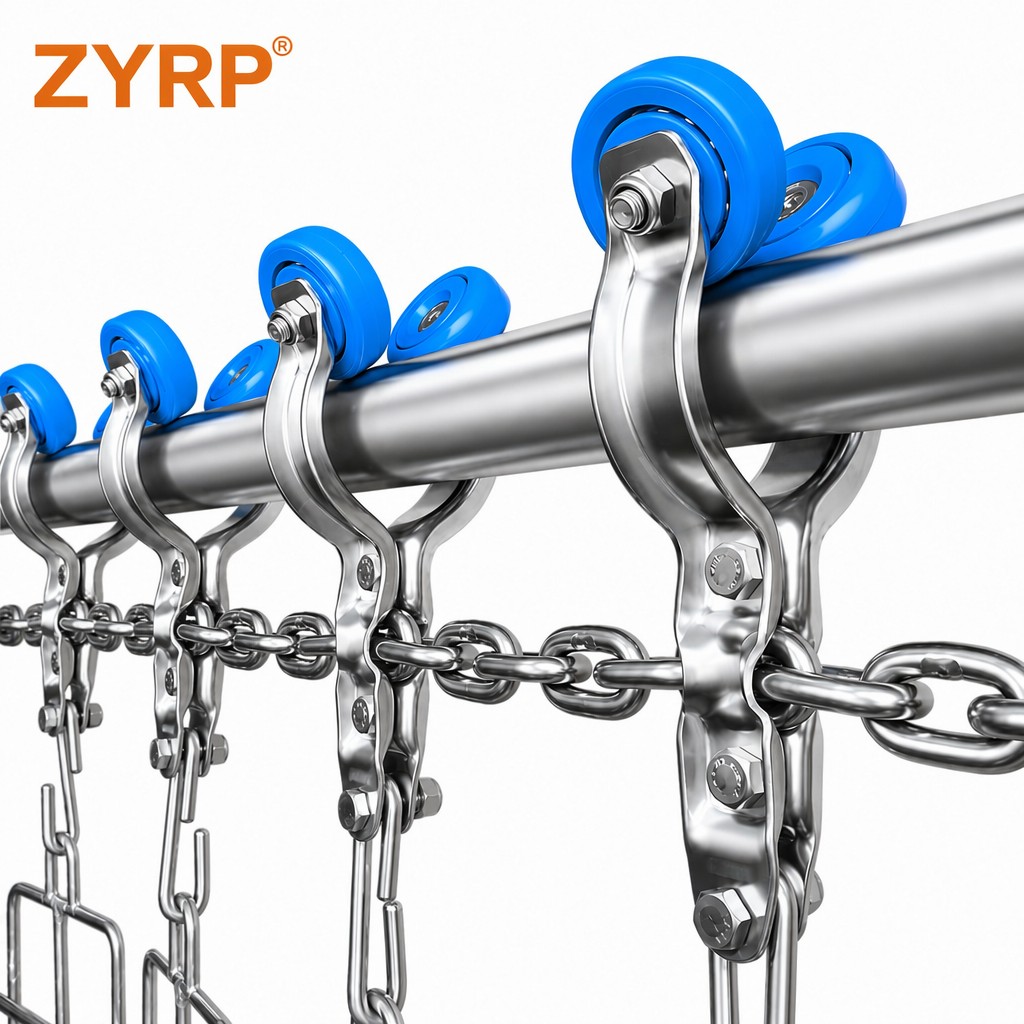
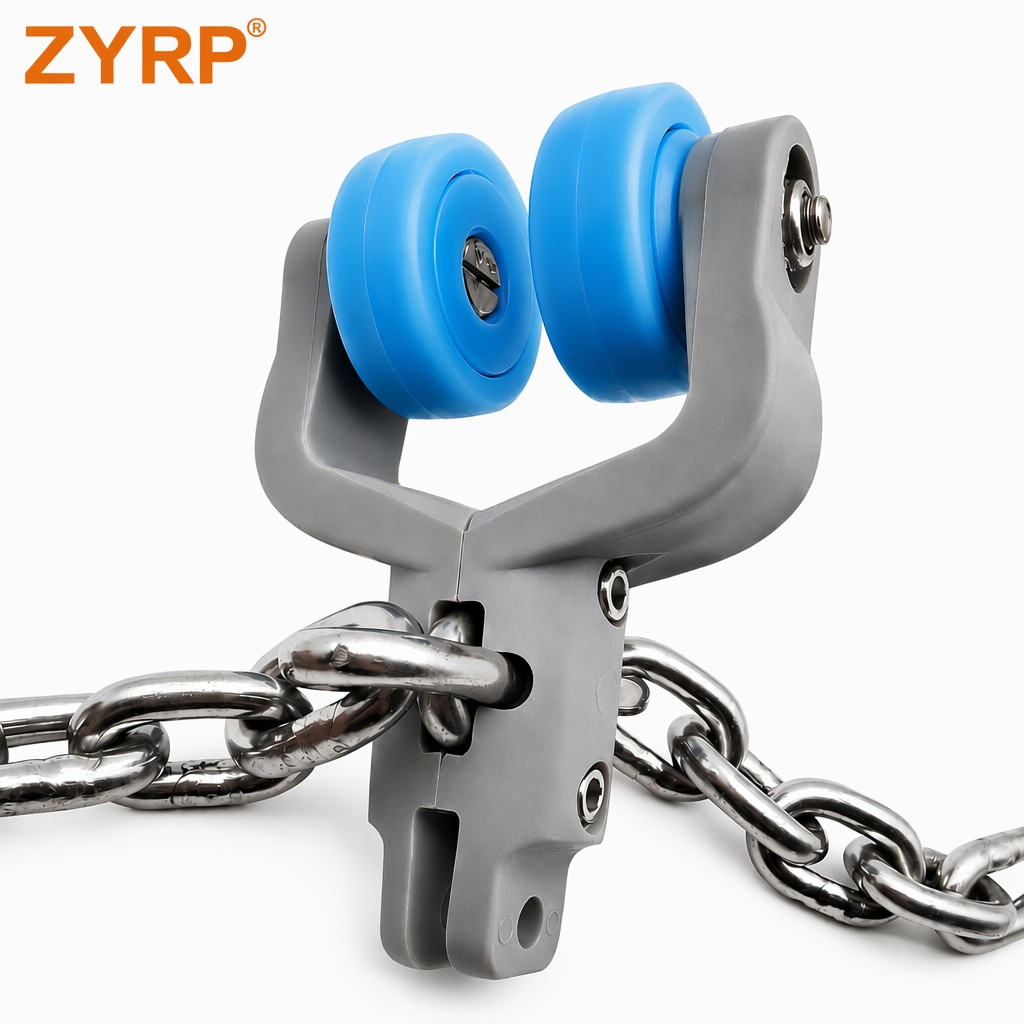
A trolley system experiences multiple wear mechanisms simultaneously due to harsh processing environments. Continuous exposure to moisture, washdown chemicals, and mechanical stress accelerates mechanical degradation. Standard poultry trolley maintenance addresses hooks that undergo repetitive stress cycles as birds are loaded and unloaded, causing metal fatigue and stress fractures. Meanwhile, trolley wheels and bearings face friction that eventually degrades internal lubrication.
Corrosion represents another major wear factor affecting trolley assemblies in high-humidity areas. While stainless steel offers resistance, pitting corrosion still develops when exposed to salt-based sanitizers. Frame assemblies can also develop micro-cracks at welded joints. Understanding these fatigue patterns ensures that your poultry trolley wear inspection targets high-risk failure points effectively.
The operational environment directly impacts component wear velocity. High-speed line setups induce mechanical vibration, accelerating structural wear across all hardware. Temperature swings—from hot sanitation cycles to chilled processing rooms—create expansion and contraction stress. Overloading overhead lines beyond rated capacity further shortens equipment service life.
While essential for sanitation, chemical washdowns exacerbate wear. Caustic detergents and high-pressure washers often bypass bearing seals. Salt-based sanitizers accelerate oxidation faster than standard water rinses alone. Accounting for these environmental stressors allows technicians to choose the right non-destructive testing poultry equipment methods during routine audits.
Ultrasonic Testing: Uses high-frequency sound waves to measure internal flaws, hidden cracks, and frame wall thinning during a poultry trolley wear inspection.
Eddy Current Testing: Identifies surface and near-surface micro-cracks in metallic components without damaging the trolley structure.
Magnetic Particle Inspection: Visualizes surface discontinuities in ferromagnetic trolley frames and hook assemblies.
Thermographic Imaging: Maps thermal patterns across operating assemblies to detect friction, bearing wear, and mechanical resistance.
Borescope Inspection: Provides direct visual access to internal bearing surfaces without requiring full component disassembly.
Utilizing specialized non-destructive testing poultry equipment provides comprehensive structural data without causing operational downtime.
Modern industrial facilities deploy continuous condition monitoring to streamline poultry trolley maintenance. Vibration sensors mounted along conveyor tracks measure mechanical oscillations that spike as bearings deteriorate. Acoustic emission sensors detect ultrasonic signals emitted by internal micro-crack propagation.
Integrating sensor feeds with predictive software allows plant managers to forecast remaining useful life accurately. Machine learning algorithms identify early failure patterns unique to specific line configurations. Utilizing these predictive systems alongside periodic conveyor trolley inspection routines helps facilities reduce unplanned downtime by up to 80 percent compared to reactive maintenance.
Systematic scheduling is essential for successful poultry trolley wear inspection management. Recommended schedules include:
Weekly Visual Checks: Inspect overall trolley condition, checking for bent frames, missing fasteners, or heavy surface rust.
Monthly NDT Audits: Perform targeted non-destructive testing poultry equipment scans on high-stress trolley components.
Quarterly System Reviews: Conduct a comprehensive conveyor trolley inspection combining thermal, ultrasonic, and vibration data.
Logging diagnostic data enables long-term trend analysis. Tracking historical logs helps maintenance teams set performance baselines, ensuring full compliance with regulatory sanitation and safety records.
Executing an effective poultry trolley wear inspection requires trained personnel who understand mechanical fatigue. Certified technicians specializing in poultry trolley maintenance can accurately interpret NDT data and perform corrective repairs. Cross-training staff on multiple diagnostic tools ensures consistent evaluation across every shift.
Allocating budget toward advanced conveyor trolley inspection instruments is a cost-effective strategy that prevents expensive line stops. Facilities that prioritize proactive poultry trolley wear inspection achieve lower overall replacement expenses than those relying on reactive repairs.
A basic visual poultry trolley wear inspection should occur weekly, with detailed monthly evaluations of high-use components. High-speed lines benefit from biweekly checks. Quarterly comprehensive audits using non-destructive testing poultry equipment provide optimal data for long-term predictive poultry trolley maintenance.
Visible cracks, bent frames, or fractured hooks require immediate removal from service. Excessive operational vibration, grinding noise, or sudden thermal spikes identified during a conveyor trolley inspection signal severe bearing failure that demands urgent replacement.
While deploying advanced poultry trolley wear inspection systems cuts failure rates significantly, it cannot eliminate all risks if equipment is operated past its service limit or subject to sudden shock loads. Combining predictive monitoring with prompt component replacement ensures maximum reliability.
 Hot News
2026-09-28
2026-09-21
2026-09-14
2026-09-08
2026-09-01
2026-08-12
Hebei Zunyan Technology provides high-quality poultry processing spare parts for global meat processors. Our stainless steel & plastic eviscerating shackles, chains, and custom CNC components ensure durability, precision, and fast dispatch. 30+ production lines, ISO-aligned quality, 48h shipping. Request quote today.
1901, Unit C19, Tongrui Business Building, Changjiang Sub-district, Yuhua District, Shijiazhuang City, Hebei Province, China
Copyright © 2026 Hebei Zunyan Technology Co., Ltd. All Rights Reserved Privacy Policy
 EN
EN