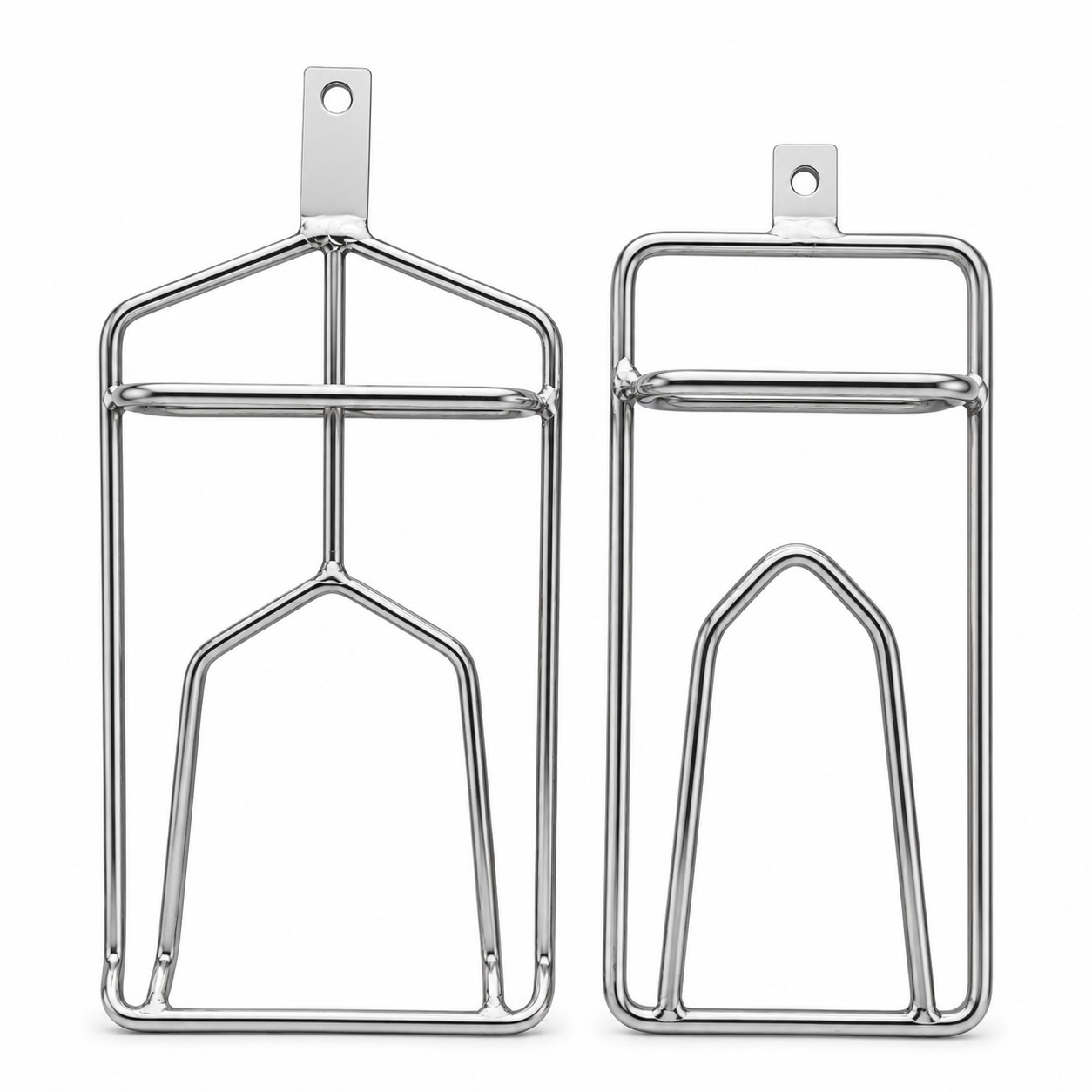
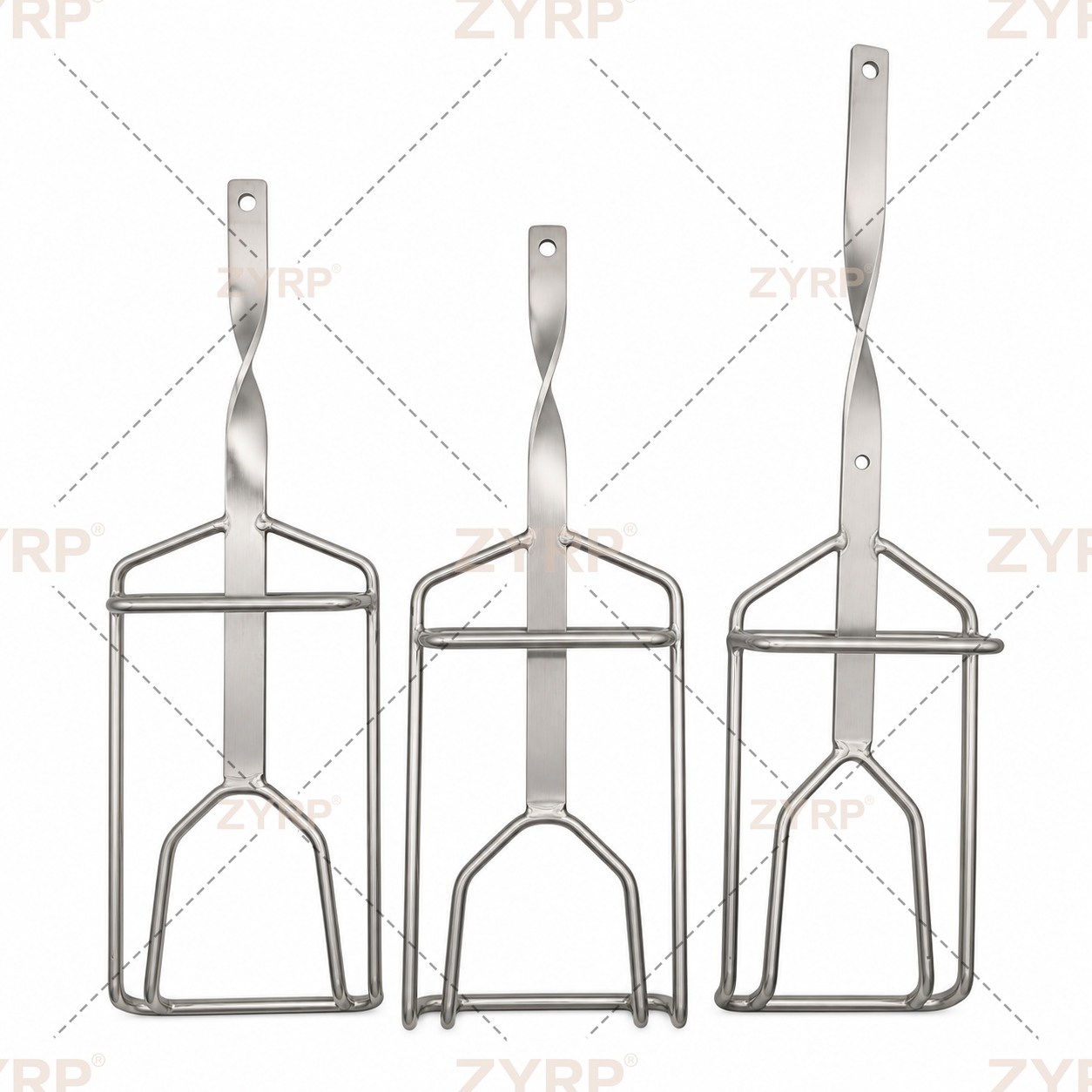
Proper maintenance of poultry blades knife equipment is critical to maintaining hygiene standards, ensuring worker safety, and maximizing production efficiency in commercial poultry processing facilities. Blade degradation directly impacts product quality, worker risk exposure, and operational costs, making systematic maintenance protocols essential for any slaughterhouse operation.

Food processing environments demand rigorous attention to poultry blades knife condition and sanitation. Dull blades increase processing time, create irregular cuts that compromise product presentation, and force workers to apply excessive pressure that raises injury risk. Understanding maintenance standards ensures compliance with food safety regulations while protecting your operation's reputation and profitability.
Effective poultry blades knife maintenance involves multiple interconnected procedures that address blade integrity, hygiene compliance, and operational reliability. Standards establish baseline requirements for sharpening frequency, sanitization protocols, and blade replacement schedules. These protocols prevent bacterial contamination, reduce cross-contamination risks, and ensure consistent cutting performance throughout your production shift.
Industry standards define acceptable blade edge angles, material specifications, and stainless steel hardness ratings for poultry processing. Regular inspection identifies edge damage, corrosion spots, and handle deterioration before they compromise food safety. Documented maintenance creates auditable records that demonstrate compliance with HACCP protocols and regulatory requirements that govern commercial meat processing facilities.
Food safety authorities require that poultry blades knife equipment maintain sanitation standards preventing pathogenic contamination. Regulations mandate sanitization between each production batch and comprehensive cleaning protocols that remove organic residue from blade surfaces. Maintenance documentation becomes critical during regulatory inspections, demonstrating your facility's commitment to food safety standards and worker protection measures.
Poultry blades knife sharpening schedules depend on production volume, cut complexity, and blade material composition. High-volume operations typically require sharpening every two to four hours, while lower-volume facilities may extend intervals to daily procedures. Using professional honing equipment preserves blade geometry while removing microscopic wear patterns that accumulate during normal processing operations.
Proper sharpening technique maintains the correct edge angle specified for poultry processing applications. Consistent blade angles ensure uniform cutting results, reduce product waste, and minimize worker fatigue from repetitive force application. Professional sharpening services provide calibrated equipment that achieves precision angles impossible with manual stone methods, protecting both your product quality and blade longevity.
Poultry blades knife edges require protection from impacts that cause micro-fractures and progressive degradation. Improper storage, contact with bone fragments, and careless handling create edge damage that compromises cutting performance. Implementing protective storage systems, using dedicated cutting boards, and training workers on proper blade handling significantly extend blade service life and reduce replacement costs.
Poultry blades knife sanitization must occur immediately after processing to prevent bacterial growth and cross-contamination risks. Hot water cleaning removes organic residue, while antimicrobial solutions eliminate pathogenic microorganisms that could transfer to subsequent batches. Temperature requirements typically specify minimum 180 degrees Fahrenheit contact time to ensure pathogen elimination and compliance with HACCP protocols.
Stainless steel composition in poultry blades knife resists corrosion but requires appropriate cleaning agents to maintain integrity. Acidic cleaners can damage blade surfaces over time, so pH-balanced solutions ensure sanitization without material degradation. Regular inspection for corrosion spots, discoloration, or pitting helps identify cleaning method adjustments needed to preserve blade performance and extend equipment lifespan.
Proper storage of poultry blades knife equipment prevents contamination, protects blade edges, and maintains material integrity between processing periods. Dedicated storage areas separate from general food contact surfaces minimize cross-contamination risks. Temperature and humidity control prevents corrosion development that compromises blade performance and reduces the equipment's functional lifespan.
Comprehensive documentation of poultry blades knife maintenance demonstrates regulatory compliance and supports equipment management decisions. Maintenance logs record sharpening dates, sanitization procedures, blade replacement events, and any repairs performed. This documentation becomes essential during regulatory audits, customer assessments, and quality investigations that require proof of systematic equipment care.
Poultry blades knife equipment has a finite service life determined by material degradation, edge deterioration, and handle integrity. Most facilities establish replacement schedules based on production volume, usage patterns, and blade condition assessments. Replacing blades before critical failure prevents product quality issues, maintains worker safety, and ensures consistent processing performance throughout your operation's production cycles.
Sharpening frequency depends on production volume and blade usage intensity. High-volume poultry processing facilities typically sharpen blades every two to four hours during active production, while lower-volume operations may sharpen daily or several times per week. Regular inspection helps determine optimal sharpening intervals based on your specific operational conditions and performance requirements.
Food safety regulations require sanitization of poultry blades knife between production batches using hot water, chemical antimicrobial solutions, or approved steam sterilization methods. Temperature and contact time requirements ensure pathogenic organism elimination and prevent cross-contamination between processing sequences. Your facility's HACCP plan should specify exact sanitization procedures, including temperature parameters and chemical concentrations required for compliance.
Replace poultry blades knife when edge damage extends beyond honing capacity, corrosion compromises blade integrity, handles deteriorate significantly, or blade wear exceeds manufacturer specifications. Attempting to rehabilitate severely damaged blades creates safety risks and compromises product quality. Maintaining a replacement schedule based on production volume and usage patterns ensures you remove equipment before critical failure impacts your operations.
 Hot News
2026-11-23
2026-11-16
2026-11-09
2026-11-02
2026-10-29
2026-10-22

Hebei Zunyan Technology provides high-quality poultry processing spare parts for global meat processors. Our stainless steel & plastic eviscerating shackles, chains, and custom CNC components ensure durability, precision, and fast dispatch. 30+ production lines, ISO-aligned quality, 48h shipping. Request quote today.
1901, Unit C19, Tongrui Business Building, Changjiang Sub-district, Yuhua District, Shijiazhuang City, Hebei Province, China
Copyright © 2026 Hebei Zunyan Technology Co., Ltd. All Rights Reserved Privacy Policy
 EN