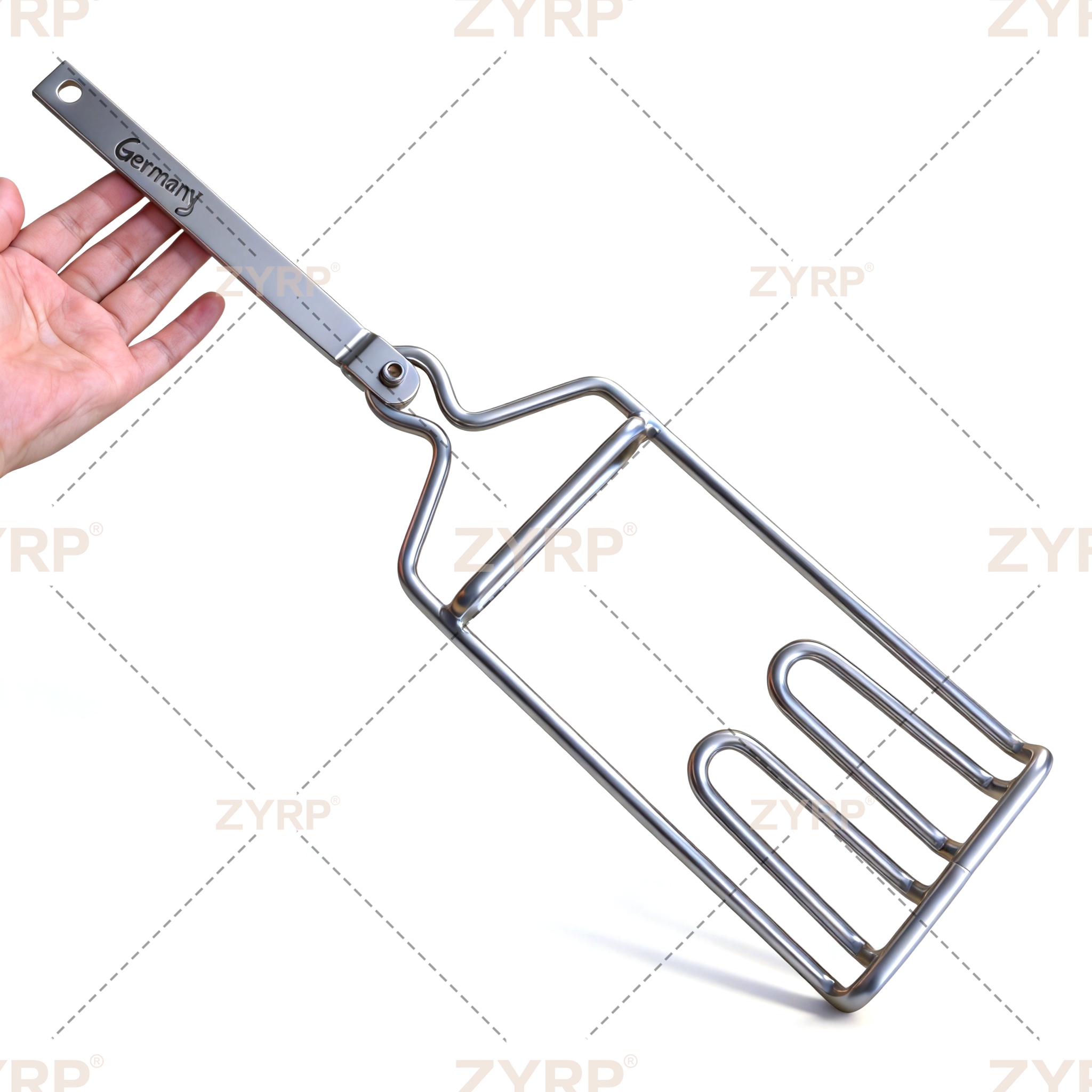
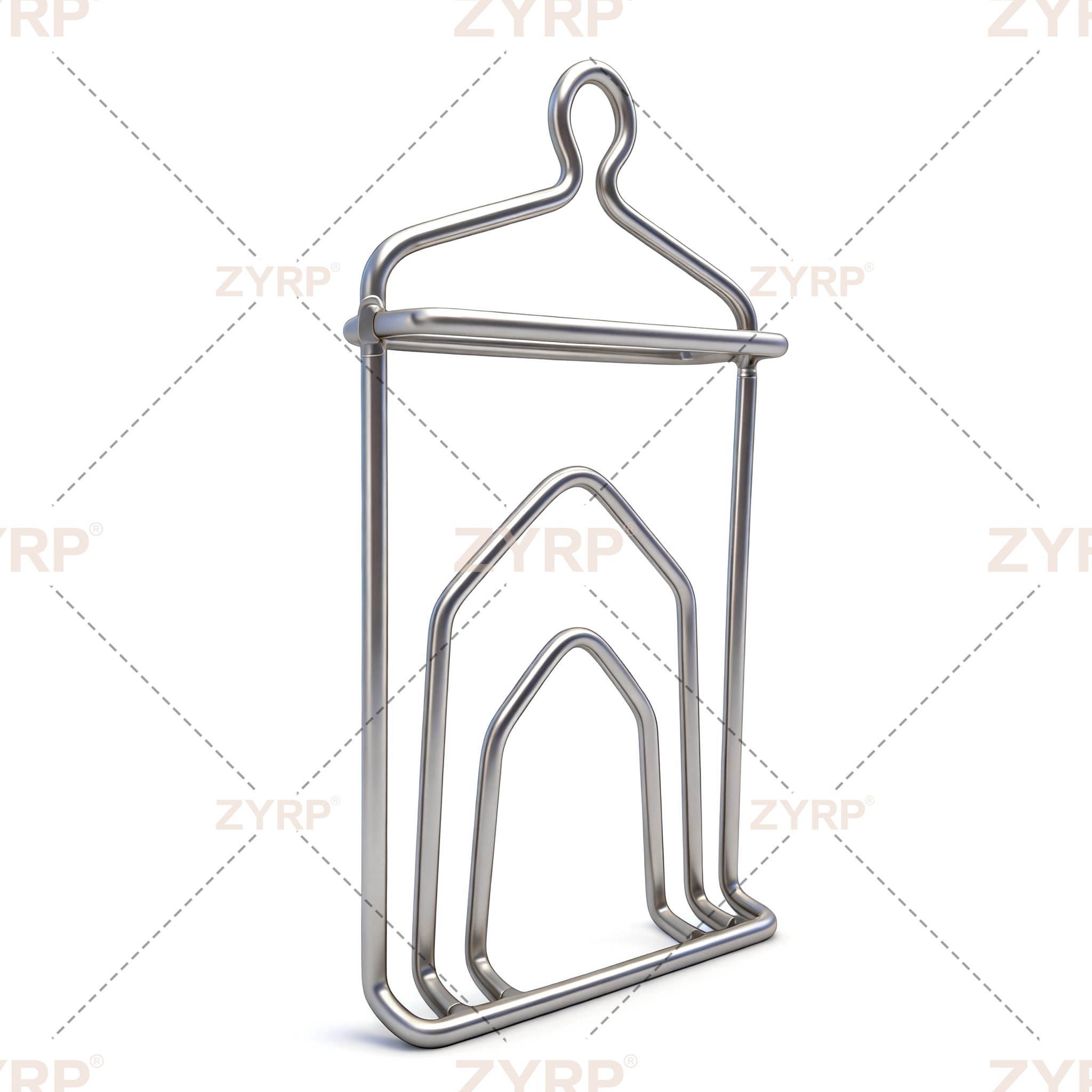
The selection of the right steel grade for a poultry blades knife is fundamental to operational efficiency, food safety, and worker satisfaction in modern slaughterhouses. Steel grade directly influences blade sharpness retention, ease of maintenance, resistance to corrosion from frequent cleaning, and overall lifespan of the knife. In high-volume poultry processing environments where hundreds or thousands of birds are handled daily, the wrong steel choice can lead to frequent blade replacement, increased downtime, safety risks, and higher operating costs. Understanding the performance characteristics of different steel grades enables facility managers and procurement teams to make informed decisions that optimize productivity while maintaining hygiene standards required by food safety regulations.
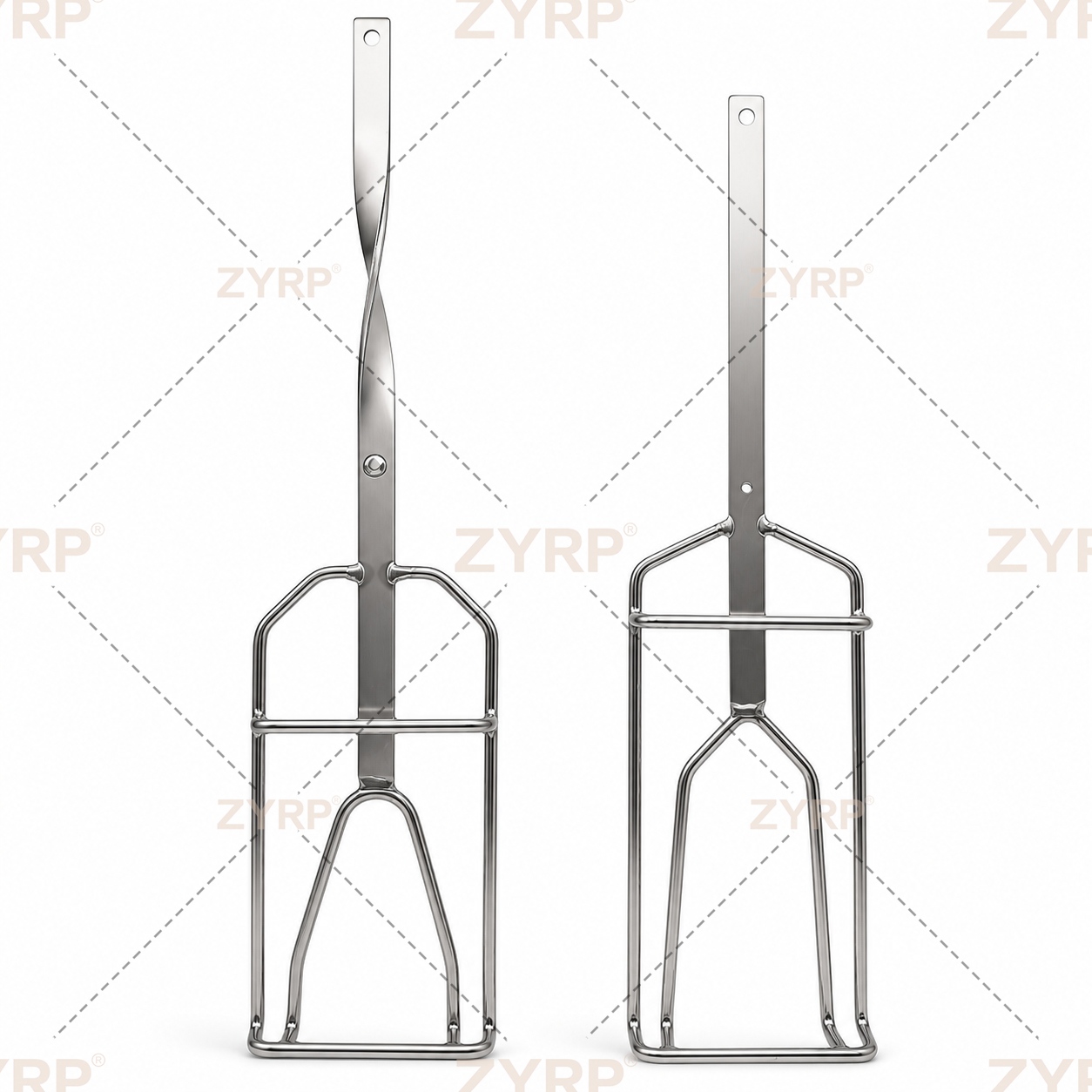
Poultry processing facilities operate under demanding conditions that test blade materials constantly. Blades encounter acidic and salty environments from bird tissues, exposure to repeated high-pressure washing cycles, and mechanical stress from continuous cutting motions. The performance expectations for poultry blades knife steel differ significantly from kitchen or general butchery applications because industrial slaughter lines prioritize throughput, worker ergonomics, and strict sanitation protocols. Steel grades are evaluated not only on hardness and edge retention but also on corrosion resistance, ease of sharpening, cost-effectiveness, and compliance with food contact regulations.
Stainless steel grades 304 and 316 represent the most common choices for commercial poultry blades knife applications. Grade 304 offers excellent corrosion resistance in typical slaughterhouse environments, containing 18 percent chromium and 8 percent nickel, which provide solid protection against oxidation and staining. This grade delivers good edge retention for the moderate hardness levels achievable without brittleness. Grade 316 elevates performance by adding molybdenum to the composition, creating superior resistance to chloride corrosion and acidic conditions. For facilities that prioritize extended intervals between blade replacement, 316 stainless provides measurable advantages, though at higher material cost than 304.
High-carbon stainless steel grades, such as martensitic 420 and 440C series, deliver superior edge hardness and sharpness retention compared to standard austenitic grades. These materials maintain cutting performance longer between sharpening cycles, which appeals to high-volume operations where downtime for blade maintenance directly impacts throughput. However, martensitic grades sacrifice some corrosion resistance and require more diligent maintenance protocols. Workers must dry blades thoroughly after washing to prevent surface rust. For poultry blades knife applications in modern sanitary facilities with advanced drainage and automated washing systems, the maintenance trade-off may be acceptable when superior edge retention justifies the additional care required.
Edge retention directly affects worker productivity and safety. A dull poultry blades knife requires increased hand pressure, elevating fatigue and injury risk while slowing processing speed. Carbon content and heat-treatment hardness determine how long a blade maintains its cutting edge under continuous use. Blades hardened to higher Rockwell scales hold sharpness longer but become more brittle if treated too severely. Industrial poultry processors often prefer steel grades that balance adequate hardness with enough toughness to resist chipping during normal operation. The ideal poultry blades knife steel maintains an edge for eight to twelve hours of continuous processing before requiring sharpening, balancing efficiency with practical maintenance feasibility.
Poultry processing generates intense sanitation demands. Blades contact organic material, blood, and bacterial contaminants throughout the shift. Regulatory requirements mandate frequent high-temperature washing and sometimes chemical sanitization. Austenitic stainless steel grades like 304 and 316 resist corrosion from these aggressive cleaning protocols far better than carbon steel or low-alloy options. The chromium oxide passive layer that forms on stainless surfaces protects the underlying metal from oxidation and staining, crucial for maintaining food safety certifications and compliance with USDA and EU sanitation standards. Poultry blades knife made from adequate stainless steel grades retain their appearance and structural integrity through hundreds of wash cycles, whereas inferior materials develop rust, pitting, and surface degradation that can introduce contaminants into the product.
Large-scale poultry processing plants processing ten thousand or more birds daily prioritize steel grades that minimize downtime for blade replacement. In these environments, poultry blades knife composed of high-carbon stainless steel or specifically engineered proprietary alloys may offer cost savings despite higher initial purchase prices. The extended time between blade changes reduces labor costs and maintains consistent production flow. Facilities with dedicated blade sharpening stations or mobile sharpening equipment can leverage high-hardness steel grades more effectively because trained operators manage the maintenance systematically. These operations typically standardize on one or two trusted steel grades across their entire facility to simplify inventory management and operator training.
Smaller poultry processing operations or those with limited sharpening infrastructure often benefit from standard 304 stainless steel poultry blades knife that balance performance, cost, and ease of maintenance. These grades sharpen readily with basic equipment and tolerate occasional maintenance lapses without significant performance degradation. The lower material cost of standard stainless grades allows facilities to maintain larger blade inventories, ensuring fresh sharp blades are always available. This approach trades slightly faster edge dulling for operational simplicity and reduced complexity in blade management. For facilities processing a few thousand birds daily, the added convenience of simpler maintenance often outweighs the extended edge retention offered by premium steel grades.
Grade 304 stainless steel provides excellent value for most poultry processing operations, offering solid corrosion resistance, reasonable edge retention, and manageable cost. It performs reliably through standard sanitation protocols without requiring specialized maintenance. For facilities with higher throughput or stricter performance requirements, grade 316 or high-carbon stainless alternatives justify their premium pricing through extended blade life and reduced replacement frequency.
Superior corrosion resistance directly extends blade lifespan by preventing rust, pitting, and surface degradation from aggressive sanitation procedures. Stainless steel grades maintain structural integrity and surface finish through hundreds of high-temperature wash cycles, while lower-grade materials deteriorate, requiring replacement more frequently. For poultry blades knife, investing in adequate corrosion resistance reduces total operating costs by minimizing blade replacement frequency and maintaining consistent product safety standards.
High-carbon martensitic steel grades deliver superior edge retention and hold sharpness significantly longer than standard austenitic stainless, making them suitable for high-volume poultry processing. However, they require more attentive maintenance, including thorough drying after washing to prevent surface rust. For facilities with dedicated blade maintenance protocols and adequate sanitation infrastructure, high-carbon poultry blades knife justify their use through improved operational efficiency and reduced replacement costs despite additional care requirements.
 Hot News
2026-11-23
2026-11-16
2026-11-09
2026-11-02
2026-10-29
2026-10-22

Hebei Zunyan Technology provides high-quality poultry processing spare parts for global meat processors. Our stainless steel & plastic eviscerating shackles, chains, and custom CNC components ensure durability, precision, and fast dispatch. 30+ production lines, ISO-aligned quality, 48h shipping. Request quote today.
1901, Unit C19, Tongrui Business Building, Changjiang Sub-district, Yuhua District, Shijiazhuang City, Hebei Province, China
Copyright © 2026 Hebei Zunyan Technology Co., Ltd. All Rights Reserved Privacy Policy
 EN