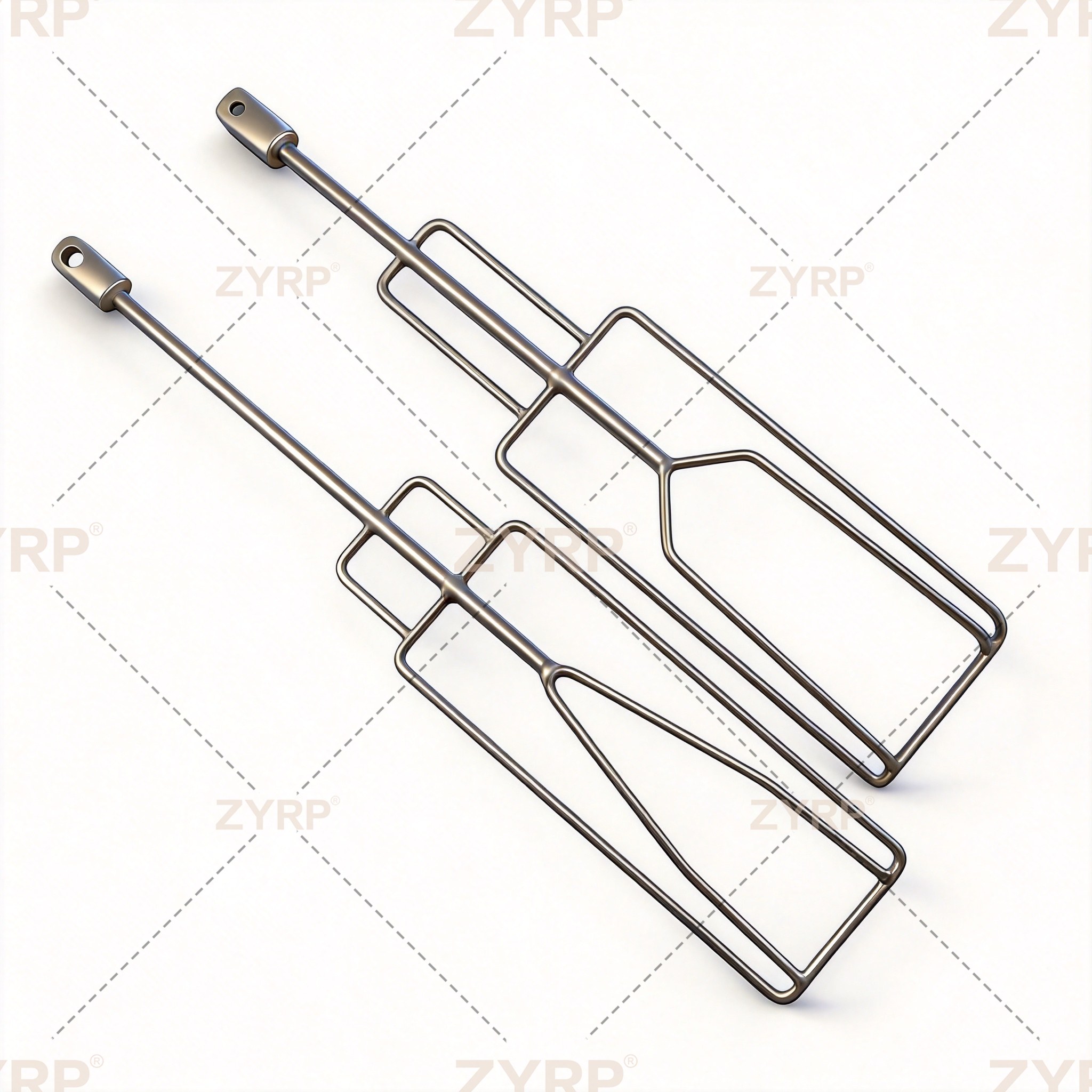
Manufacturing quality control for slaughter hook production represents one of the most critical aspects of poultry processing equipment development. The slaughter hook serves as a fundamental component in any processing facility, directly impacting worker safety, operational efficiency, and product consistency. Without rigorous quality control protocols, even minor defects can cascade into significant operational disruptions, safety hazards, and regulatory compliance failures across the entire production line.
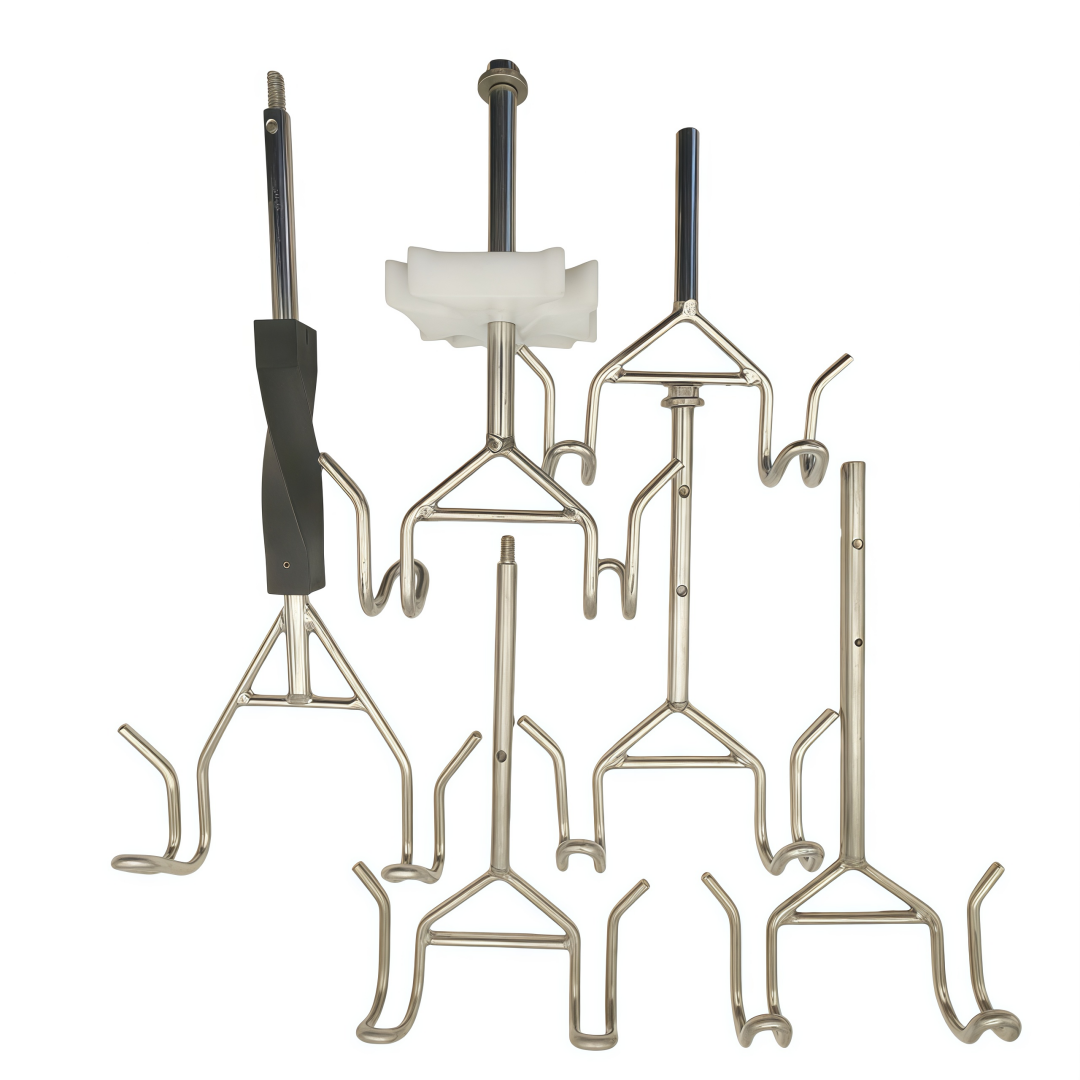
The manufacturing process demands precision engineering and consistent material standards to deliver reliable equipment performance. Quality control measures during slaughter hook production encompass material inspection, dimensional accuracy, stress testing, and corrosion resistance evaluation. Each stage of production requires meticulous oversight to guarantee that finished hooks meet industry specifications and client expectations for durability and safety.
The foundation of effective manufacturing quality control begins with rigorous raw material assessment. Suppliers must provide certified documentation confirming material composition, tensile strength, and chemical properties before production begins. Quality control teams verify that incoming steel or stainless steel batches meet specified standards through hardness testing, chemical analysis, and dimensional sampling. This initial stage prevents defective materials from entering the manufacturing process, reducing downstream waste and rework.
Proper documentation of material origins creates accountability throughout the manufacturing supply chain. Each batch of raw material used in slaughter hook production must be tracked with lot numbers, supplier certifications, and test results. This traceability enables rapid identification and containment if material defects surface after production. Quality control systems that maintain comprehensive material records support both continuous improvement initiatives and regulatory audits that verify compliance with food safety standards.
Precision manufacturing requires strict dimensional tolerances to ensure consistent performance and interchangeability across production runs. Quality control inspectors measure hook geometry, shank diameter, curve radius, and attachment points using calibrated instruments such as micrometers, calipers, and coordinate measuring machines. Statistical process control methods track dimensional consistency over time, identifying trends that suggest tooling wear or calibration drift. When measurements fall outside acceptable ranges, corrective actions immediately halt production until root causes are resolved.
Slaughter hooks operate in wet, acidic environments where corrosion poses both safety and sanitation risks. Manufacturing quality control includes surface finish evaluation through visual inspection, surface roughness measurement, and salt-spray corrosion testing. Stainless steel components undergo electropolishing or passivation processes that must be verified through thickness measurement and corrosion resistance protocols. These tests ensure the slaughter hook maintains structural integrity throughout its operational lifespan despite continuous exposure to moisture and cleaning chemicals.
Quality control verification must confirm that each slaughter hook safely supports the maximum intended load throughout its service life. Destructive testing programs subject sample hooks from each production batch to progressively increasing loads until failure occurs, establishing minimum safety margins. Non-destructive testing methods including ultrasonic inspection and magnetic particle testing identify internal flaws, fatigue cracks, or stress concentrations without destroying finished components. These validation protocols protect against catastrophic failures that could result in injuries, equipment damage, or production shutdowns.
The repetitive nature of processing operations means slaughter hooks experience thousands of load cycles daily. Manufacturing quality control programs subject sample components to accelerated fatigue testing that simulates extended operational use. Hooks are loaded and unloaded repeatedly while monitored for crack initiation, permanent deformation, or performance degradation. Components that demonstrate premature failure during fatigue testing trigger design review and material investigation to prevent systematic failures across production runs.
Slaughter hooks used in poultry processing must meet stringent food safety regulations and hygiene requirements established by regulatory agencies. Manufacturing quality control ensures that production processes produce equipment compatible with automated cleaning systems, inspection protocols, and regulatory audits. Components must be designed without crevices or rough surfaces that harbor bacterial growth, and all materials must be food-contact safe when applicable. Quality control documentation demonstrates compliance with applicable standards during facility inspections.
Many processing facilities require third-party certification or independent quality verification before purchasing equipment. Manufacturing quality control systems maintain records of all testing, material certifications, and dimensional inspections that support certification applications. Third-party auditors review documentation, conduct witness testing, and verify that production processes consistently deliver equipment meeting stated specifications. This external validation provides customers with independent assurance regarding slaughter hook quality and compliance with industry standards.
Stainless steel, particularly austenitic grades like 304 or 316, represents the primary material choice for slaughter hook production due to superior corrosion resistance in wet processing environments. Some applications utilize carbon steel with protective coatings, though stainless steel generally delivers longer service life and superior hygiene characteristics. Quality control ensures that material composition meets specified standards through certified supplier documentation and incoming material testing.
Manufacturing quality control protocols typically include 100% inspection of finished components for dimensional accuracy and visual defects, with statistical sampling for destructive testing. Sampling frequency depends on production volume and historical defect rates, often ranging from one sample per 50 to 500 units. Accelerated fatigue testing occurs on representative samples from each production batch, typically before components enter inventory for shipment.
Defective slaughter hooks can cause line shutdowns, worker injuries, product contamination, or regulatory compliance violations that result in facility closures. Proper manufacturing quality control prevents these failures by ensuring hooks meet durability and safety specifications before reaching customers. The cost of quality control measures during manufacturing proves significantly lower than managing failures, recalls, or facility disruptions during processing operations.
 Hot News
2026-11-23
2026-11-16
2026-11-09
2026-11-02
2026-10-29
2026-10-22

Hebei Zunyan Technology provides high-quality poultry processing spare parts for global meat processors. Our stainless steel & plastic eviscerating shackles, chains, and custom CNC components ensure durability, precision, and fast dispatch. 30+ production lines, ISO-aligned quality, 48h shipping. Request quote today.
1901, Unit C19, Tongrui Business Building, Changjiang Sub-district, Yuhua District, Shijiazhuang City, Hebei Province, China
Copyright © 2026 Hebei Zunyan Technology Co., Ltd. All Rights Reserved Privacy Policy
 EN