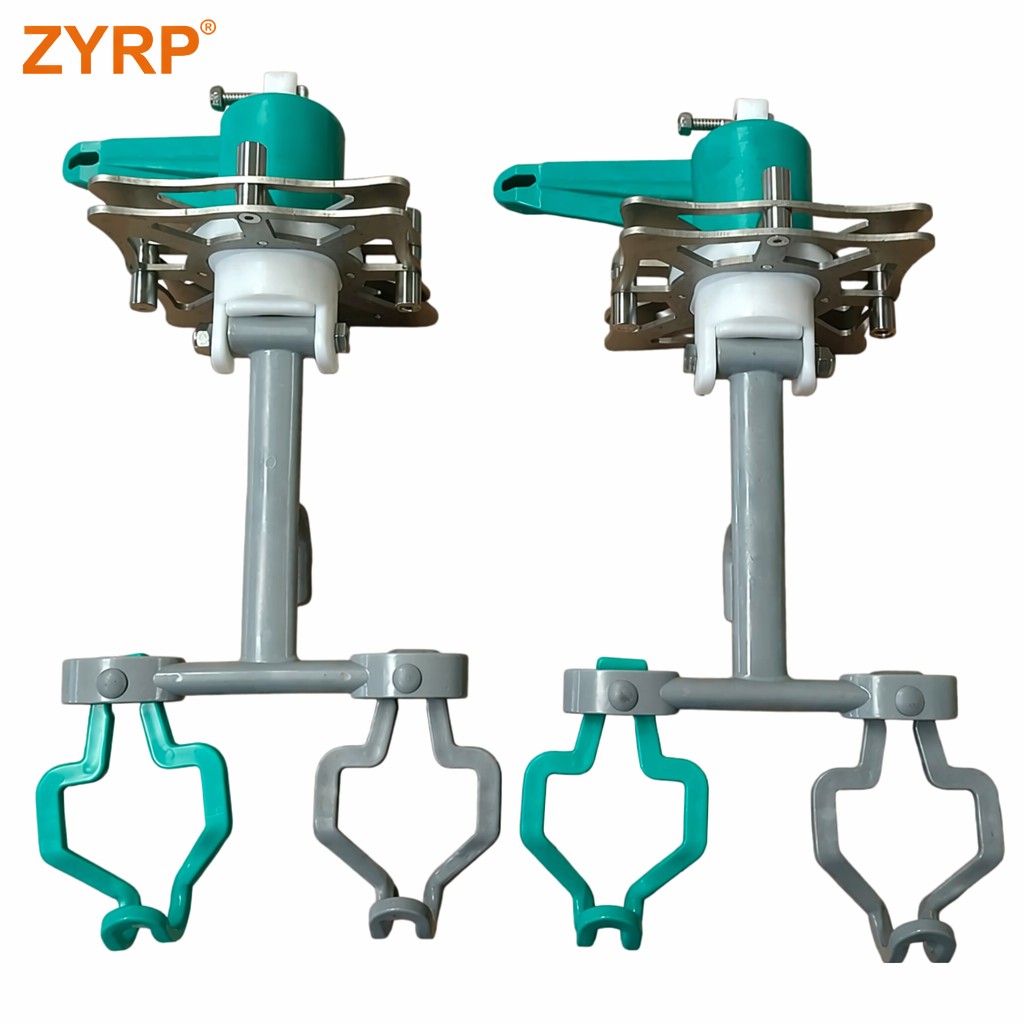
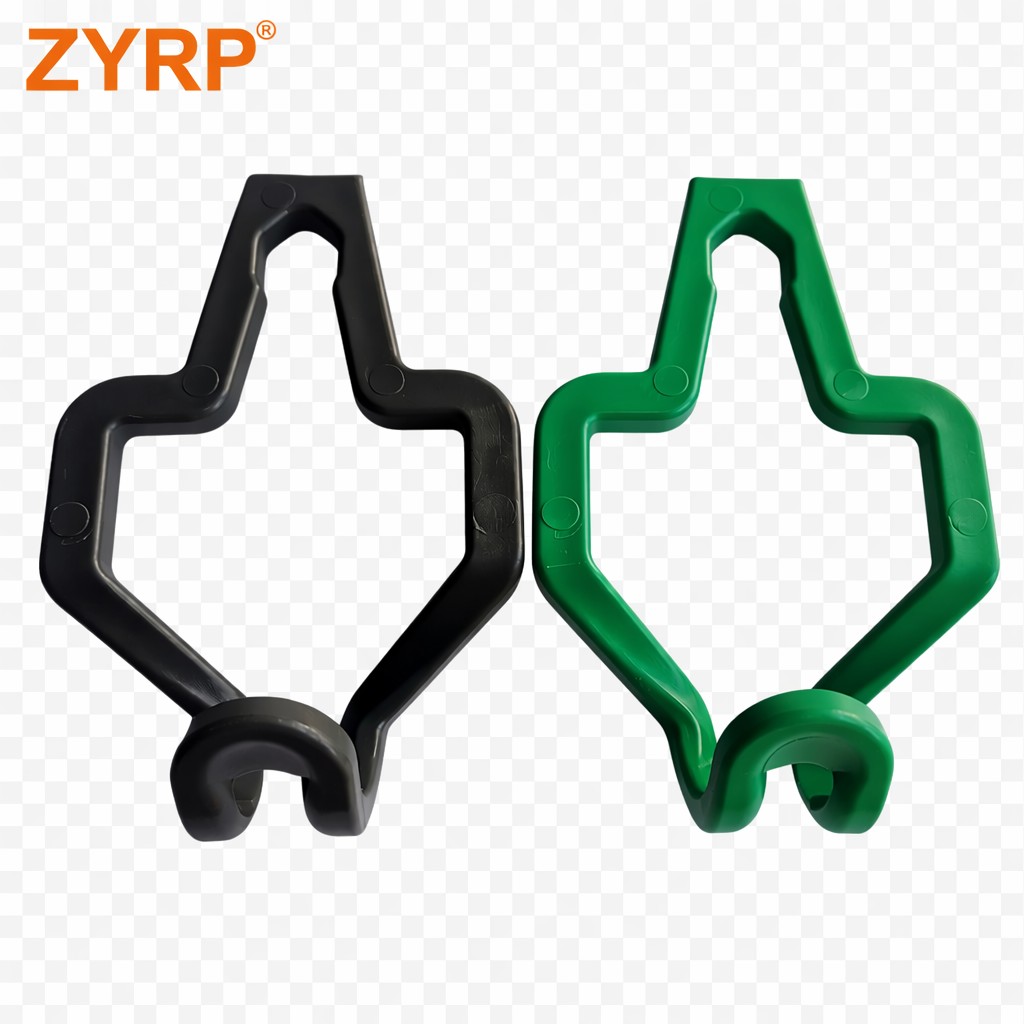
A well-maintained conveyor trolley system is critical to operational reliability in industrial processing environments. Equipment failures due to poor maintenance can halt production lines, create safety hazards, and lead to costly emergency repairs. Understanding the proper maintenance schedule for your conveyor trolley ensures consistent performance, extends equipment lifespan, and protects your bottom line. This guide outlines the essential maintenance protocols and timelines that facility managers and maintenance teams should follow to keep conveyor trolley systems running smoothly.
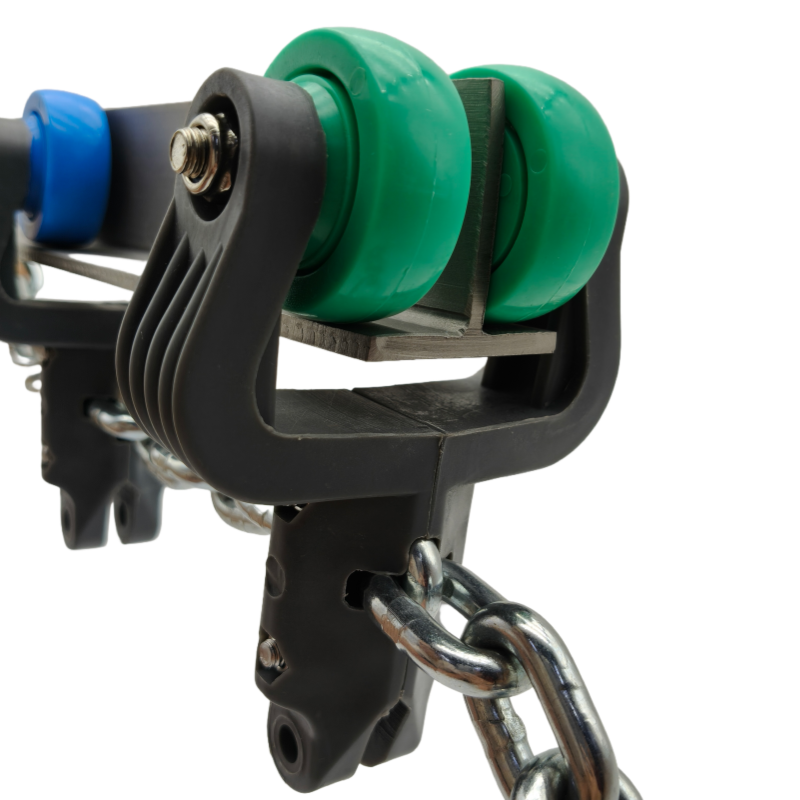
Implementing a structured maintenance schedule for your conveyor trolley prevents unexpected breakdowns and maintains compliance with safety standards. Regular maintenance intervals catch wear patterns early, reduce component replacement costs, and minimize unplanned downtime. A documented conveyor trolley maintenance approach demonstrates professionalism to auditors and regulators while building team accountability. This guide provides practical, actionable maintenance tasks organized by frequency so your facility can implement a sustainable care program.
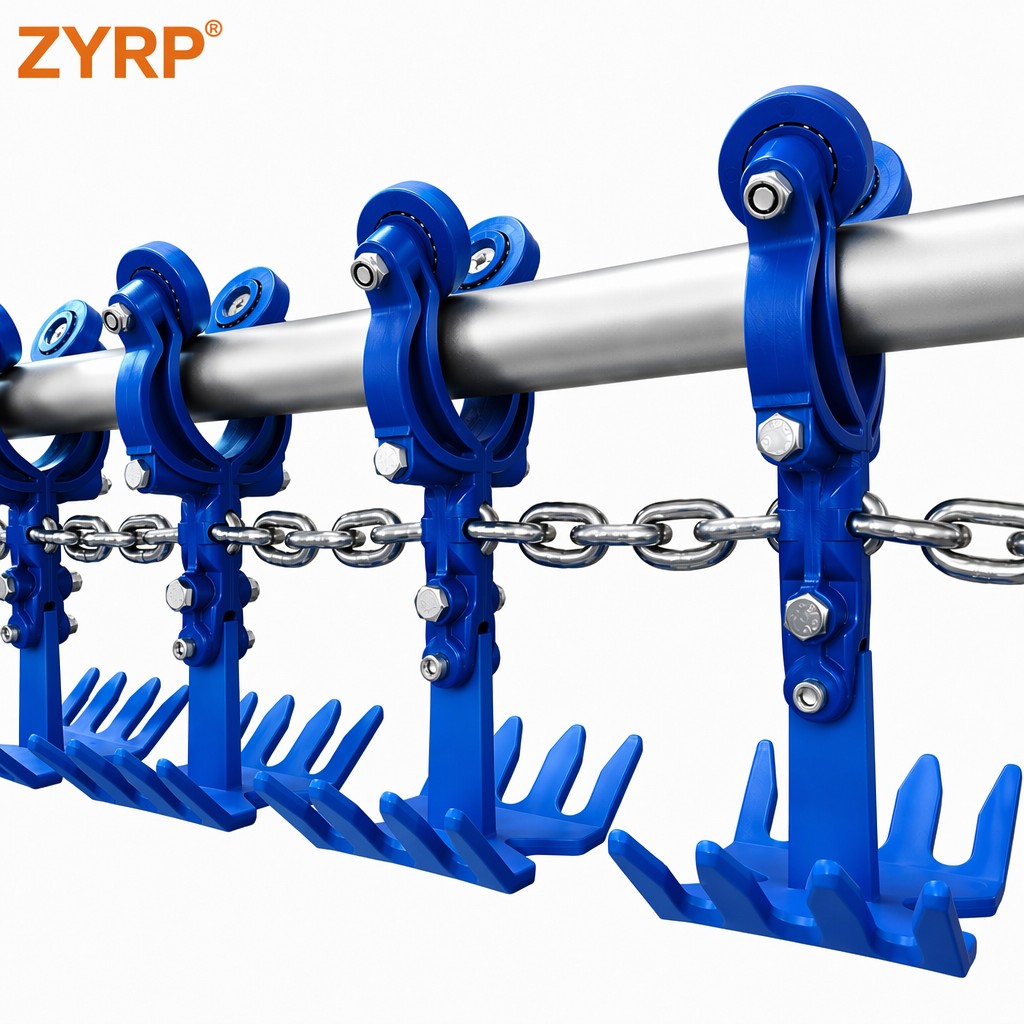
Daily inspections of your conveyor trolley system form the foundation of predictive maintenance. Before each shift, operators and maintenance staff should perform a visual walkthrough of the entire conveyor trolley track, wheels, and attachment points. Look for loose fasteners, misalignment, debris accumulation, or unusual sounds that signal emerging problems. This quick 10-minute conveyor trolley inspection takes minimal time but catches issues before they escalate into serious failures.
During daily conveyor trolley checks, pay particular attention to the wheels and bearing areas where wear patterns typically emerge first. Any scoring on the trolley wheels, visible cracks in the frame, or signs of material jamming should be documented and reported immediately. Daily visual assessment of your conveyor trolley prevents small problems from becoming expensive repairs that force production shutdowns.
Accumulation of product residue, dust, or foreign material on your conveyor trolley system degrades performance and accelerates wear. Daily cleaning removes contaminants from the track, wheels, and drive mechanisms. Use soft brushes and appropriate cleaning agents compatible with food processing or industrial standards relevant to your facility. A clean conveyor trolley operates more efficiently and extends the service life of critical components.
Proper lubrication is essential for conveyor trolley system performance and component longevity. Weekly lubrication of wheel bearings, pivot points, and the overhead track keeps friction low and reduces wear. Use lubricants specified for your particular conveyor trolley model and application type, as some food-grade applications require specific food-safe formulations. Over-lubrication can attract contaminants, so apply lubrication sparingly but consistently on your conveyor trolley system.
Monthly conveyor trolley maintenance should include a thorough re-inspection of all lubrication points and bearing surfaces. Check for signs of grease breakdown, discoloration, or hardening that indicates your conveyor trolley lubricant has degraded. Replace depleted lubricant and clean away excess buildup that collects dust or debris on the conveyor trolley track and wheels.
Vibration and operational stress gradually loosen bolts, nuts, and fasteners throughout your conveyor trolley system. Monthly tightening of all accessible fasteners prevents components from shifting or failing unexpectedly. Use a torque wrench set to manufacturer specifications to ensure proper tension without over-tightening, which can strip threads on your conveyor trolley frame or connections. Document tightening work to demonstrate consistent conveyor trolley maintenance schedules to safety auditors.
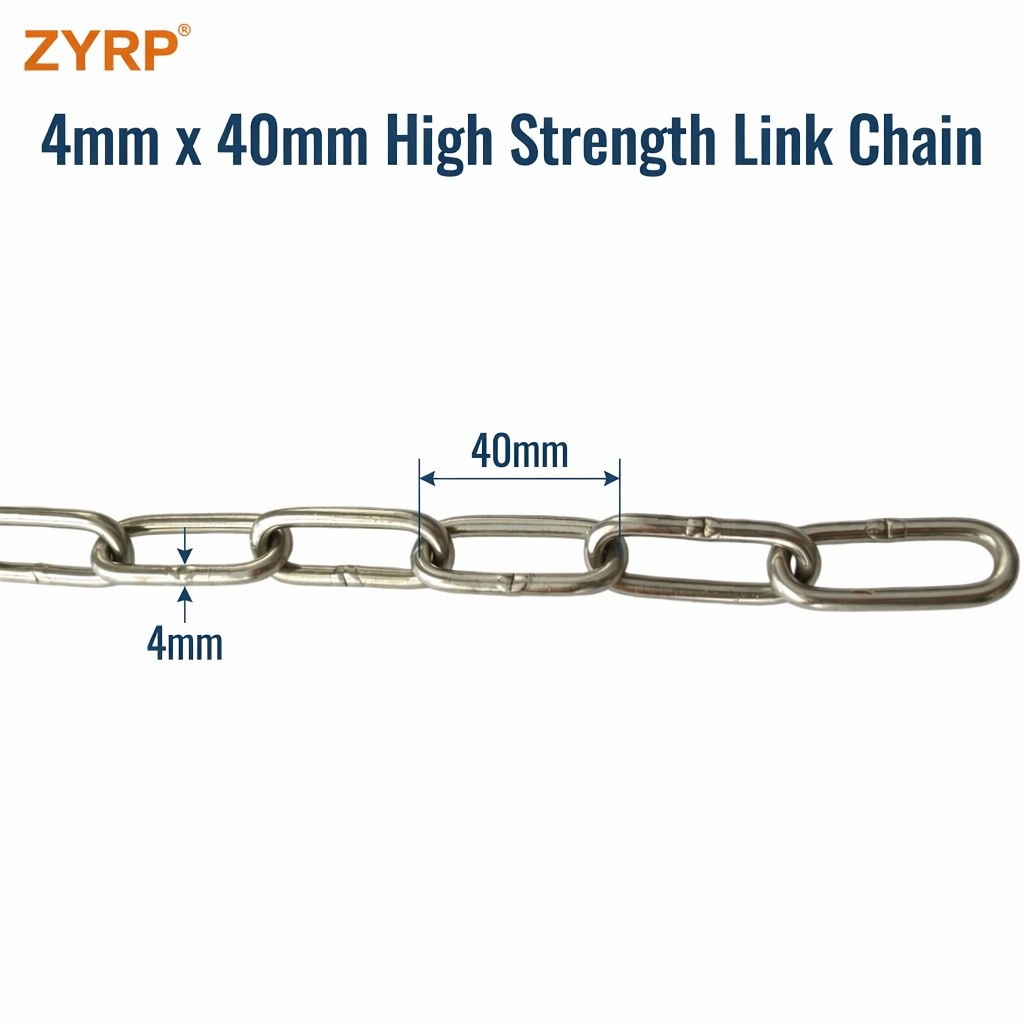
Quarterly conveyor trolley inspections provide deeper assessment opportunities than daily or weekly routines. Disassemble and inspect wheel bearings, chains, and sprockets for wear patterns, rust, or damage that may not be visible during quick visual checks. Measure wheel diameter and track width against original specifications to detect wear that affects conveyor trolley alignment and performance. Replace any components showing significant wear before they fail during production, preventing the downtime that reactive maintenance creates.
A quarterly conveyor trolley maintenance session also includes thermal imaging or vibration analysis to detect hidden problems in motor drives, gear assemblies, and bearing housings. Early detection of abnormal temperatures or vibration patterns on your conveyor trolley system allows you to schedule component replacement during planned downtime rather than facing emergency shutdowns.
The motor and drive mechanism that powers your conveyor trolley system require careful annual evaluation. Check motor bearings, coupling alignment, and belt tension annually to prevent failures that halt your entire conveyor trolley line. Listen for unusual grinding, squealing, or rattling sounds that indicate wear in conveyor trolley drive components. Verify that your conveyor trolley motor draws normal current levels; excessive current draw can signal bearing friction or mechanical binding requiring immediate attention.
Annual conveyor trolley maintenance includes checking electrical connections at the motor and control points for corrosion, looseness, or heat damage. Clean contact surfaces, apply appropriate electrical lubricants, and tighten connections to ensure reliable conveyor trolley operation and prevent electrical hazards that endanger facility staff.
Over time, the overhead track that guides your conveyor trolley system can shift or sag under load and vibration. Annual conveyor trolley track measurements using laser alignment tools identify problems before they cause wheel binding or derailment. Measure track straightness, height variation, and wheel-to-rail clearance to confirm your conveyor trolley operates within design specifications. Address any alignment issues immediately to prevent accelerated wheel wear and potential safety incidents involving your conveyor trolley system.
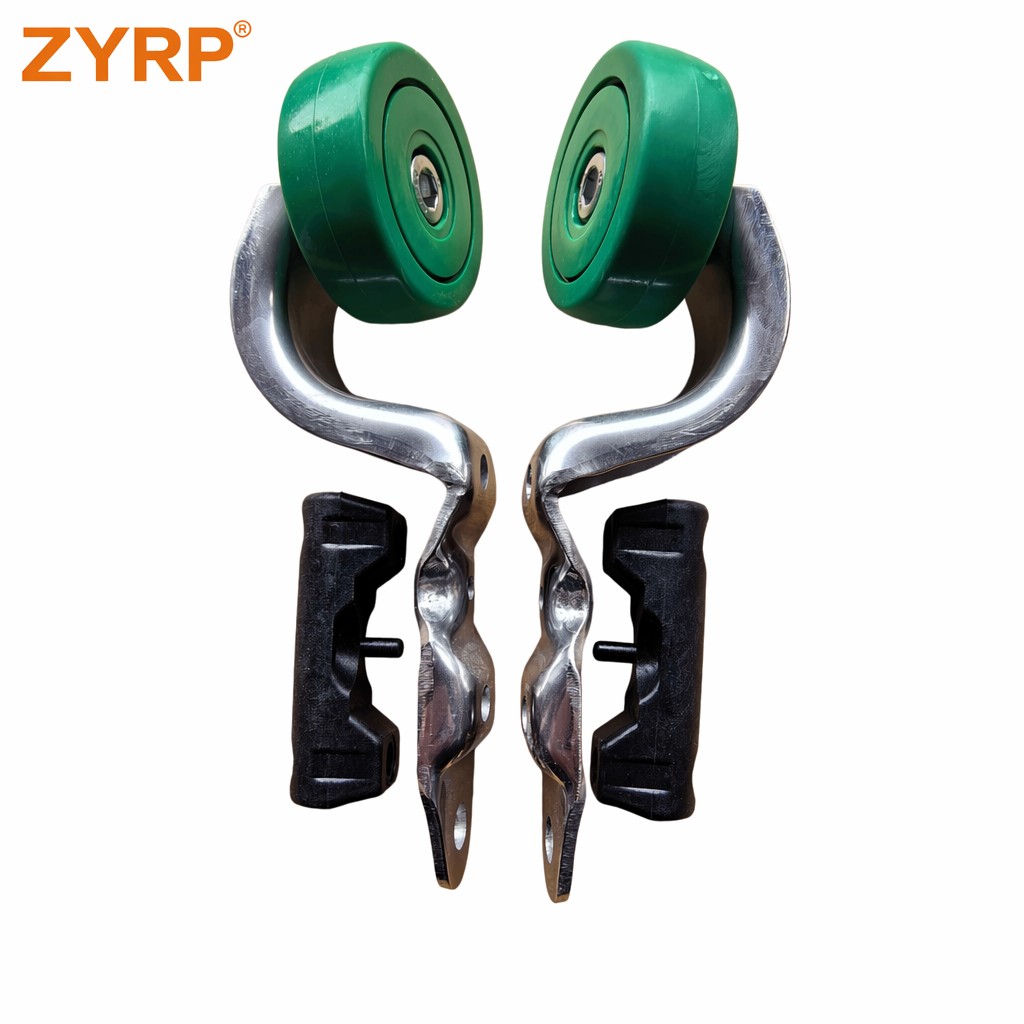
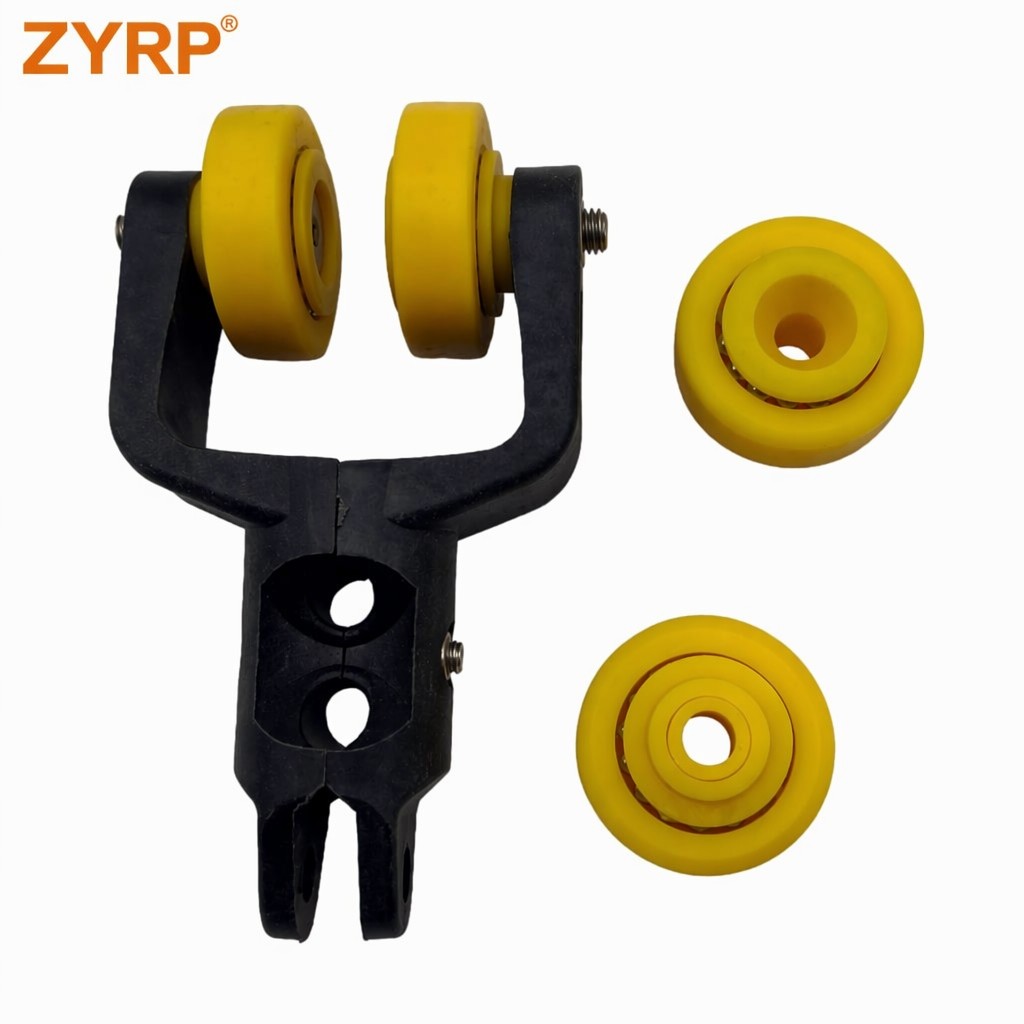
Measure the wear flat on conveyor trolley wheels annually and replace wheels showing wear exceeding manufacturer limits. Worn wheels cause vibration, misalignment, and accelerated wear of bearings and the track itself, creating a cascading failure pattern in your conveyor trolley system. Planned wheel replacement during annual conveyor trolley maintenance prevents unexpected failures during peak production periods.
Inspect your conveyor trolley daily before production starts, perform weekly lubrication and fastener checks, conduct monthly visual assessments of bearing and track condition, and schedule quarterly deep inspections with component disassembly. Annual comprehensive conveyor trolley maintenance including alignment verification, motor evaluation, and major component replacement should be scheduled during planned downtime. This multi-level conveyor trolley inspection approach catches problems at every stage and maximizes system reliability.
Consult your conveyor trolley manufacturer's specifications for recommended lubricant type, viscosity, and application frequency. Food-processing facilities require food-grade conveyor trolley lubricants meeting safety certifications. Industrial applications typically use standard grease or oil formulated for bearing and track conditions. Apply conveyor trolley lubricant sparingly to avoid attracting contaminants, and monitor conveyor trolley bearing temperature to ensure adequate lubrication without overcharging.
Replace conveyor trolley wheels when wear flats exceed manufacturer specifications, typically when 15–20% of wheel diameter is lost to wear. Measure conveyor trolley wheel diameter annually and compare against design specifications. Replace wheels showing uneven wear patterns, flat spots, or cracks immediately to prevent derailment of your conveyor trolley system. Worn conveyor trolley wheels cause vibration that accelerates bearing failure and track damage, making timely replacement a cost-effective maintenance investment.
 Hot News
2026-09-28
2026-09-21
2026-09-14
2026-09-08
2026-09-01
2026-08-12
Hebei Zunyan Technology provides high-quality poultry processing spare parts for global meat processors. Our stainless steel & plastic eviscerating shackles, chains, and custom CNC components ensure durability, precision, and fast dispatch. 30+ production lines, ISO-aligned quality, 48h shipping. Request quote today.
1901, Unit C19, Tongrui Business Building, Changjiang Sub-district, Yuhua District, Shijiazhuang City, Hebei Province, China
Copyright © 2026 Hebei Zunyan Technology Co., Ltd. All Rights Reserved Privacy Policy
 EN
EN