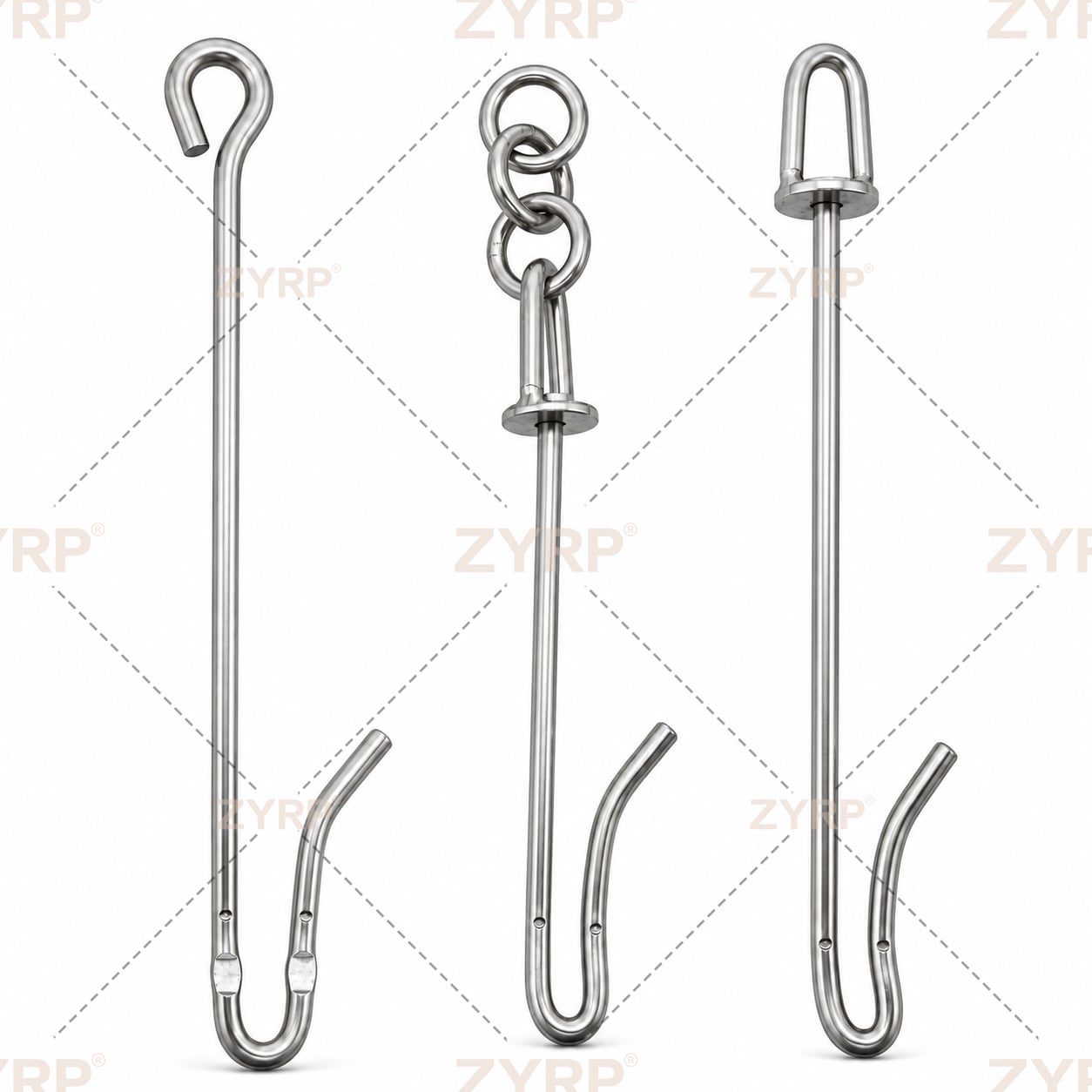
Sourcing a weighing shackle for a commercial poultry operation involves more than comparing prices. The right choice must fit the weighing process, integrate with existing equipment, withstand daily handling, and meet operational hygiene requirements. A weighing shackle should be evaluated against documented needs rather than a general product description, especially when purchasing for multiple lines or facilities.
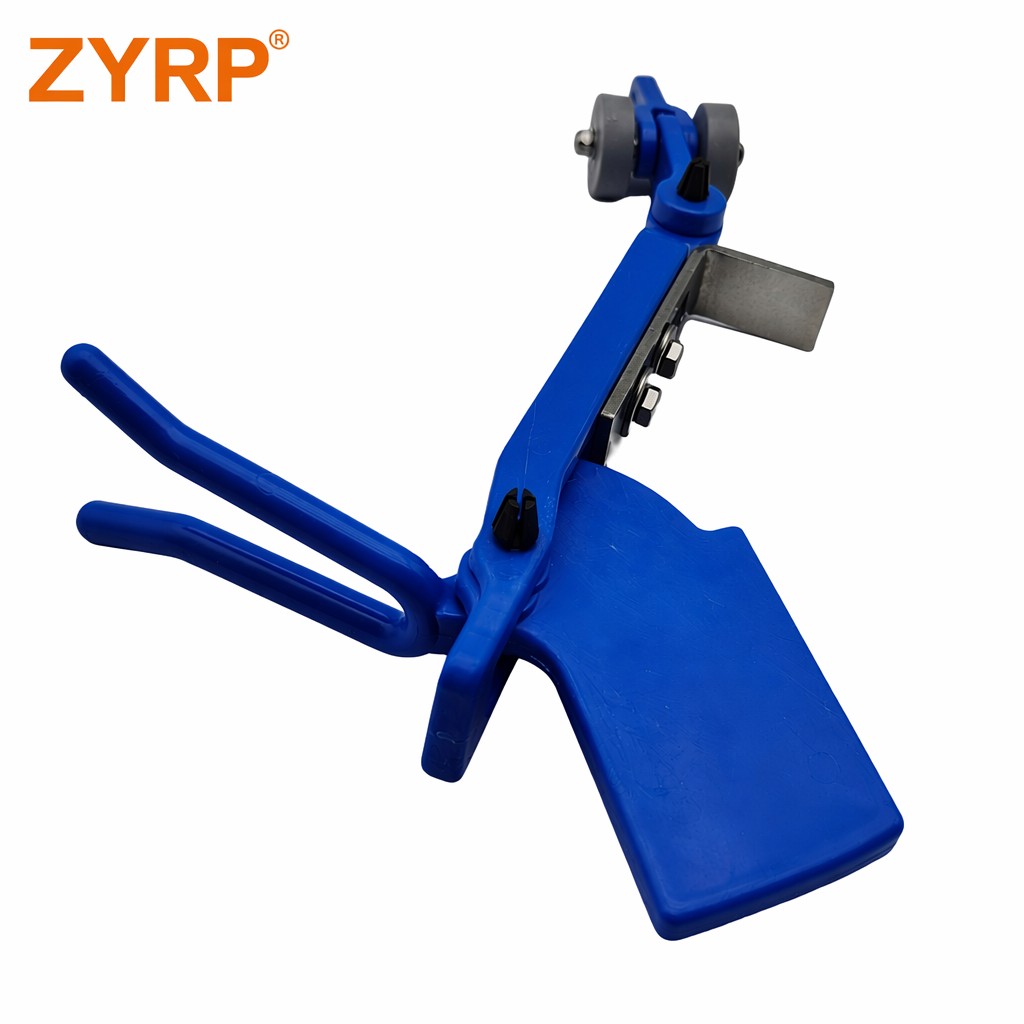
This checklist organizes the sourcing decision around specification, fit, and purchasing controls. Use it to define what a weighing shackle must do at your site, identify questions that need written answers, and reduce avoidable uncertainty before placing a B2B order. Clear requirements also make quotations easier to assess on consistent terms.
Begin with the job the weighing shackle will perform. Record the load range, weighing frequency, bird or product handling method, and the point in the process where measurement takes place. These details help distinguish a suitable weighing shackle from an item that appears similar but may not match the application. Avoid relying on assumptions based on appearance alone.
Confirm the stated capacity and the conditions attached to it, including how the load is applied and what components are included in the rated assembly. A weighing shackle must be considered as part of the full load path, not as an isolated piece. Ask for the relevant specification sheet and clarify any terms that could affect safe use or measurement expectations.
Review the materials and surface finish against the actual operating environment. A weighing shackle used in a washdown area may face moisture, cleaning agents, repeated handling, and temperature changes. Ask what material is used, how surfaces are finished, and what care guidance applies. Make sure any claims about resistance are supported by product documentation for the intended conditions.
Hygiene requirements also influence design suitability. Check whether accessible surfaces can be cleaned using your established procedures and whether joints, openings, or contours could retain residue. The weighing shackle should fit the facility’s sanitation routine without introducing unverified cleaning instructions. Include maintenance staff in this review because they understand practical cleaning constraints.
Compatibility is a common source of procurement delays. Compare the weighing shackle dimensions, attachment points, and connection method with the scale, hooks, conveyors, or handling equipment already in use. Provide drawings or measurements where possible, and ask the seller to confirm which interface details are included. A weighing shackle should not be assumed compatible because its general shape looks familiar.
Clarify the full measurement setup, including the indicator or scale used, the intended mounting arrangement, and any required accessories. If the weighing shackle is replacing an existing unit, document the current configuration and identify what must remain unchanged. A written fit confirmation can help purchasing, engineering, and operations work from the same assumptions before an order is approved.
Define the accuracy and repeatability needed for the process rather than requesting a vague promise of precision. Ask how the weighing shackle is intended to be used, what setup conditions affect readings, and what information is available about calibration or verification. The answer should be specific enough for your quality team to determine whether the proposed arrangement supports its process controls.
Consider the pace and conditions of routine use. Operators may need to attach, position, read, and remove the weighing shackle repeatedly, so handling steps should be practical and consistent. Discuss expected duty, storage, inspection, and maintenance with the relevant teams. This makes the sourcing decision reflect real workflow instead of a specification sheet alone.
A useful quotation should identify the exact weighing shackle configuration, materials, included accessories, quantity, lead time, and applicable documentation. Ask the seller to state assumptions and exclusions clearly. This gives procurement a fair basis for reviewing offers and prevents an apparently low price from concealing different scope, packaging, or delivery terms.
Review documentation before issuing a purchase order. Depending on your operation, useful records may include dimensional drawings, product specifications, care guidance, inspection instructions, and traceability details. Confirm which documents are supplied with the weighing shackle and which must be requested separately. Keep approved information with the purchasing record so incoming inspection can verify the delivered item.
Prepare an incoming inspection based on the agreed specification. Check the received weighing shackle for configuration, visible damage, identification, and the connection details that were confirmed before purchase. If dimensions or documentation do not match the order, pause installation and resolve the discrepancy rather than adapting equipment without review.
Before routine use, make sure operators understand the approved setup, handling limitations, cleaning method, and escalation process for damage or unusual readings. The weighing shackle should be introduced through existing training and maintenance controls, not treated as a standalone purchase. Record inspection and service actions according to site practice to support consistent operation over time.
For multi-site or recurring purchases, retain the selected weighing shackle specification and the reasoning behind approval. Capture the application, interface measurements, approved documents, and any site-specific requirements. This record helps future teams distinguish a like-for-like reorder from a change that needs technical review.
A documented sourcing decision also makes supplier communication more precise. When requirements change, update the weighing shackle specification and request confirmation against the revision before ordering. This straightforward control reduces ambiguity between the original evaluation and later purchases, while leaving room to reassess fit as equipment or operating conditions evolve.
Prepare the application, expected load range, dimensions, connection details, environment, quantity, and documentation needs. Photos or drawings can help explain the existing setup. These details allow a seller to assess whether a weighing shackle fits the stated use, rather than quoting from a product name alone.
Measure the mating points and compare them with the offered specification, including attachment style and any required accessories. Ask for written confirmation when an interface is uncertain. Before installation, verify that the delivered weighing shackle matches the approved configuration and the site’s equipment requirements.
Request product specifications, dimensional information, care and inspection guidance, and any traceability records required by your quality system. Confirm document availability before ordering and retain approved versions. The appropriate package depends on the application, but a weighing shackle purchase should have enough information for receipt checks and planned use.
 Hot News
2026-11-23
2026-11-16
2026-11-09
2026-11-02
2026-10-29
2026-10-22

Hebei Zunyan Technology provides high-quality poultry processing spare parts for global meat processors. Our stainless steel & plastic eviscerating shackles, chains, and custom CNC components ensure durability, precision, and fast dispatch. 30+ production lines, ISO-aligned quality, 48h shipping. Request quote today.
1901, Unit C19, Tongrui Business Building, Changjiang Sub-district, Yuhua District, Shijiazhuang City, Hebei Province, China
Copyright © 2026 Hebei Zunyan Technology Co., Ltd. All Rights Reserved Privacy Policy
 EN