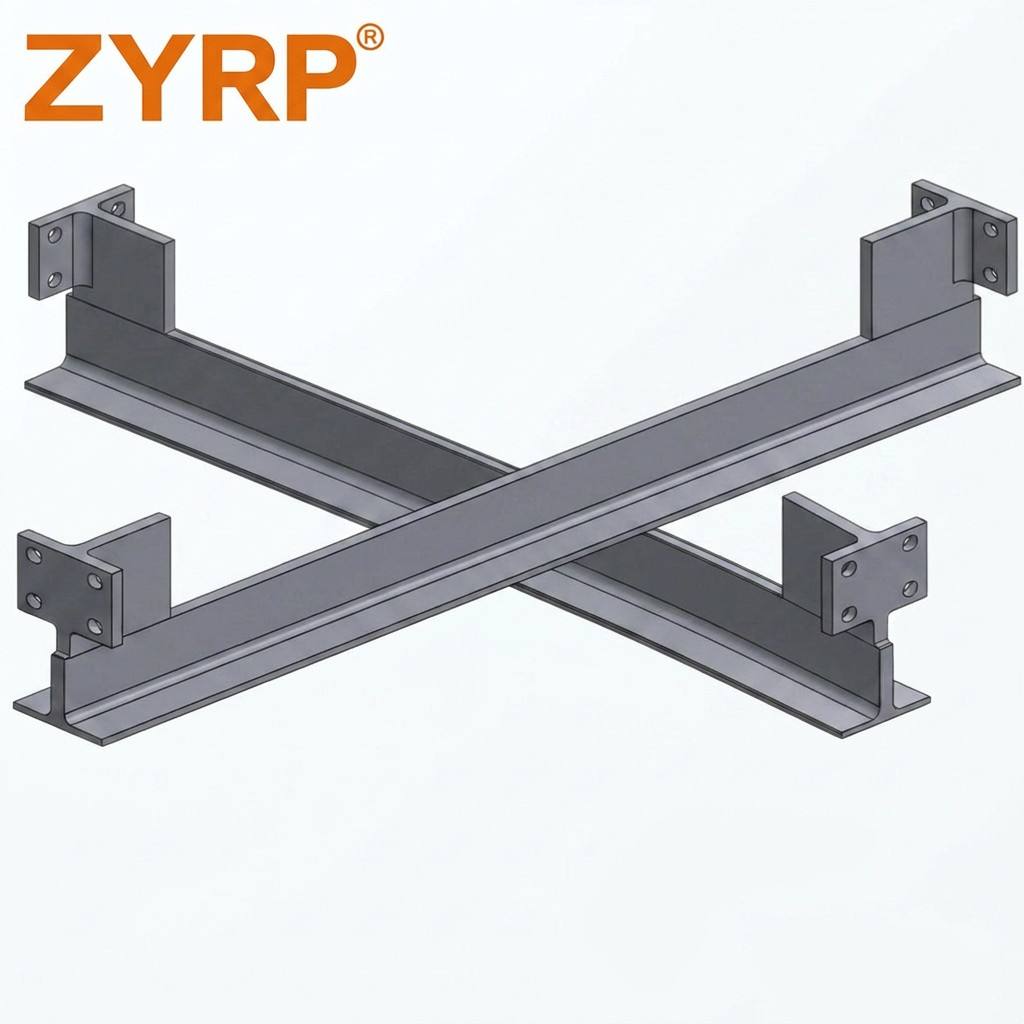
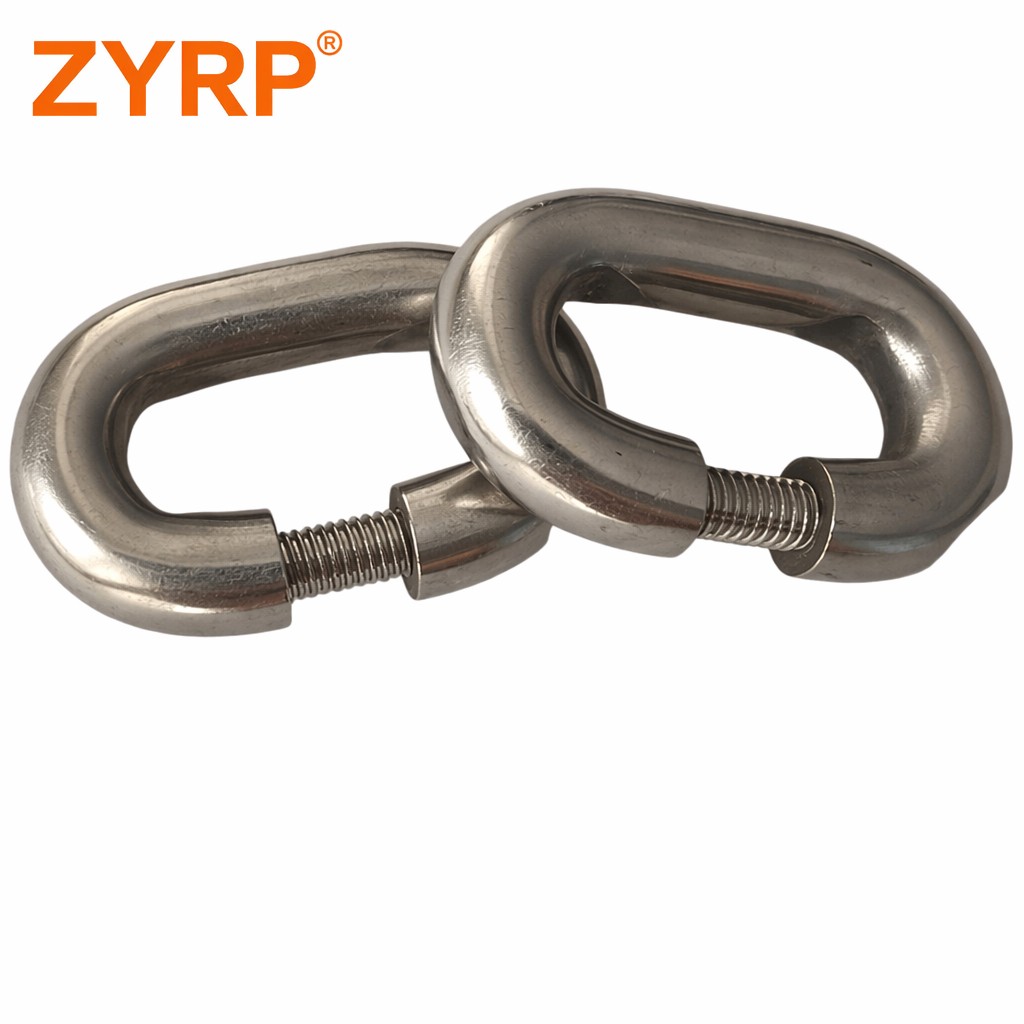
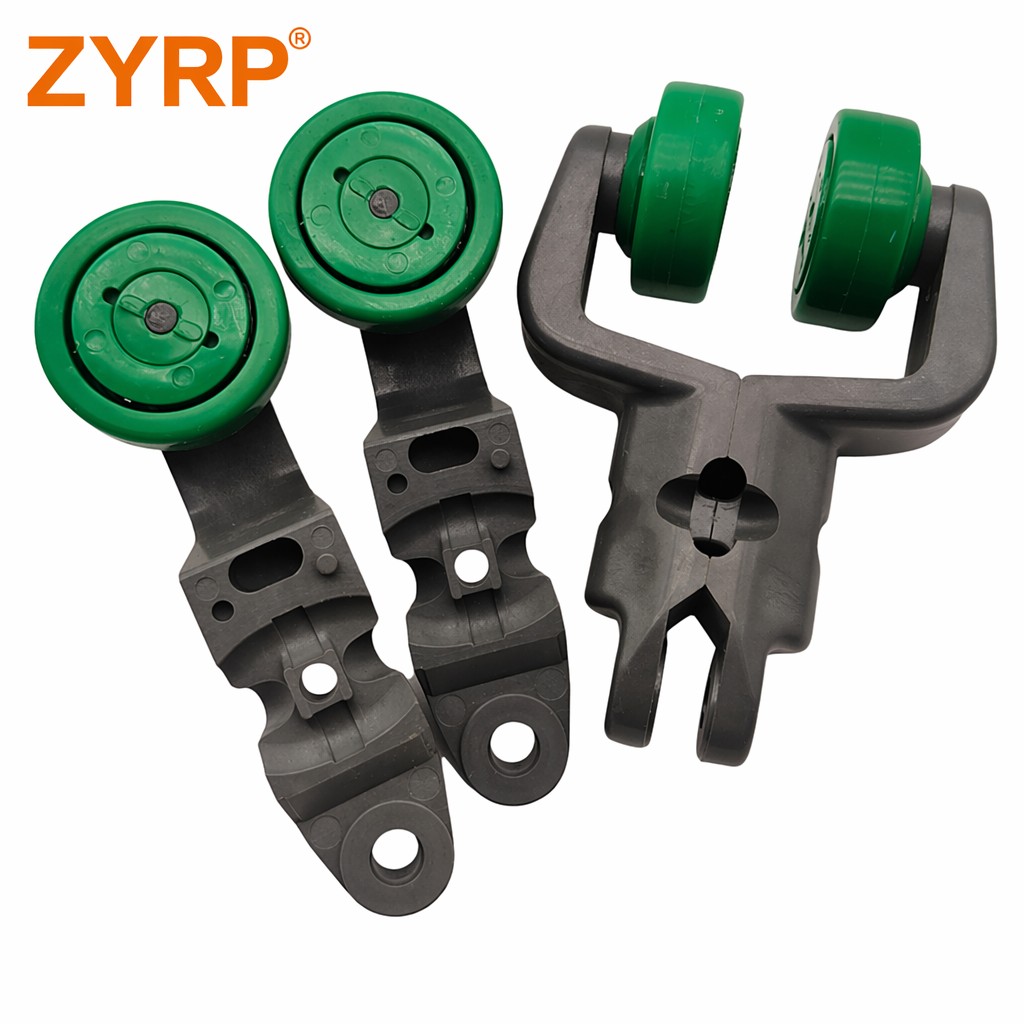
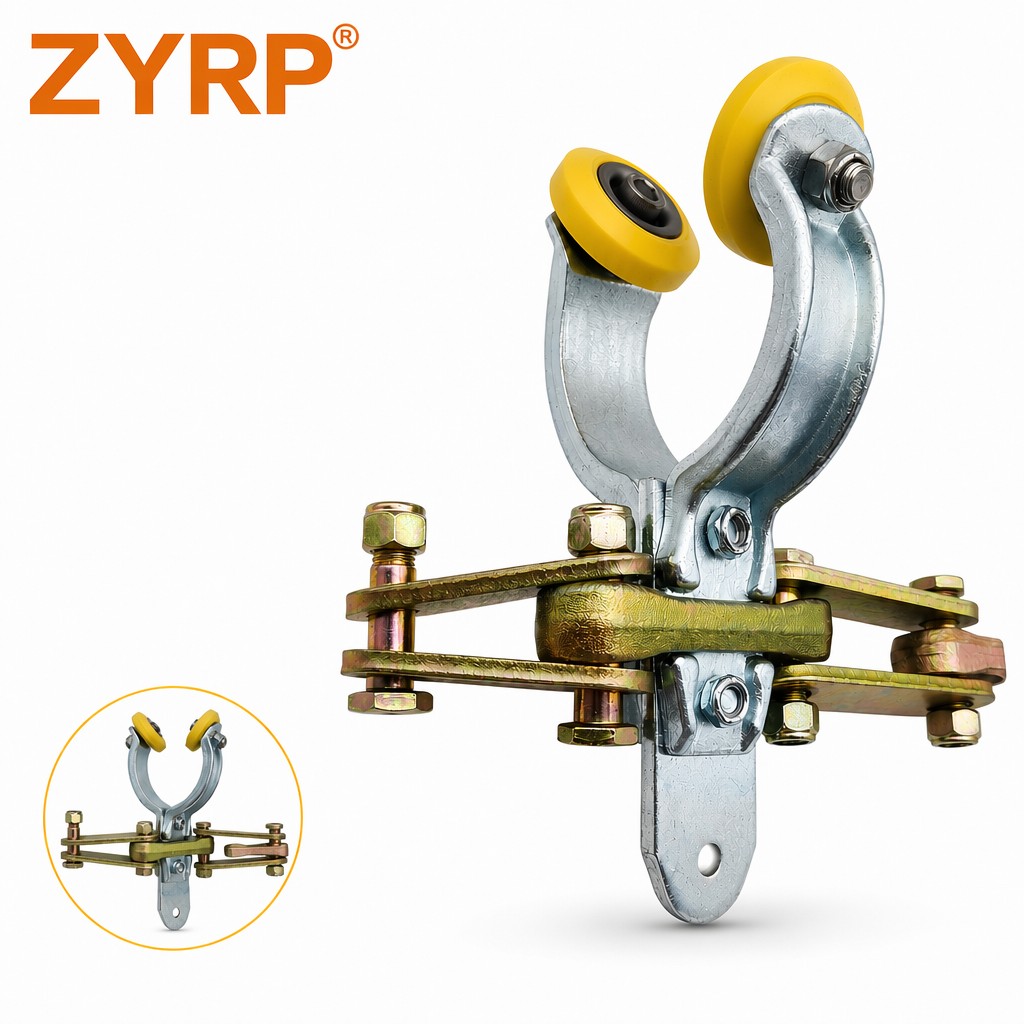
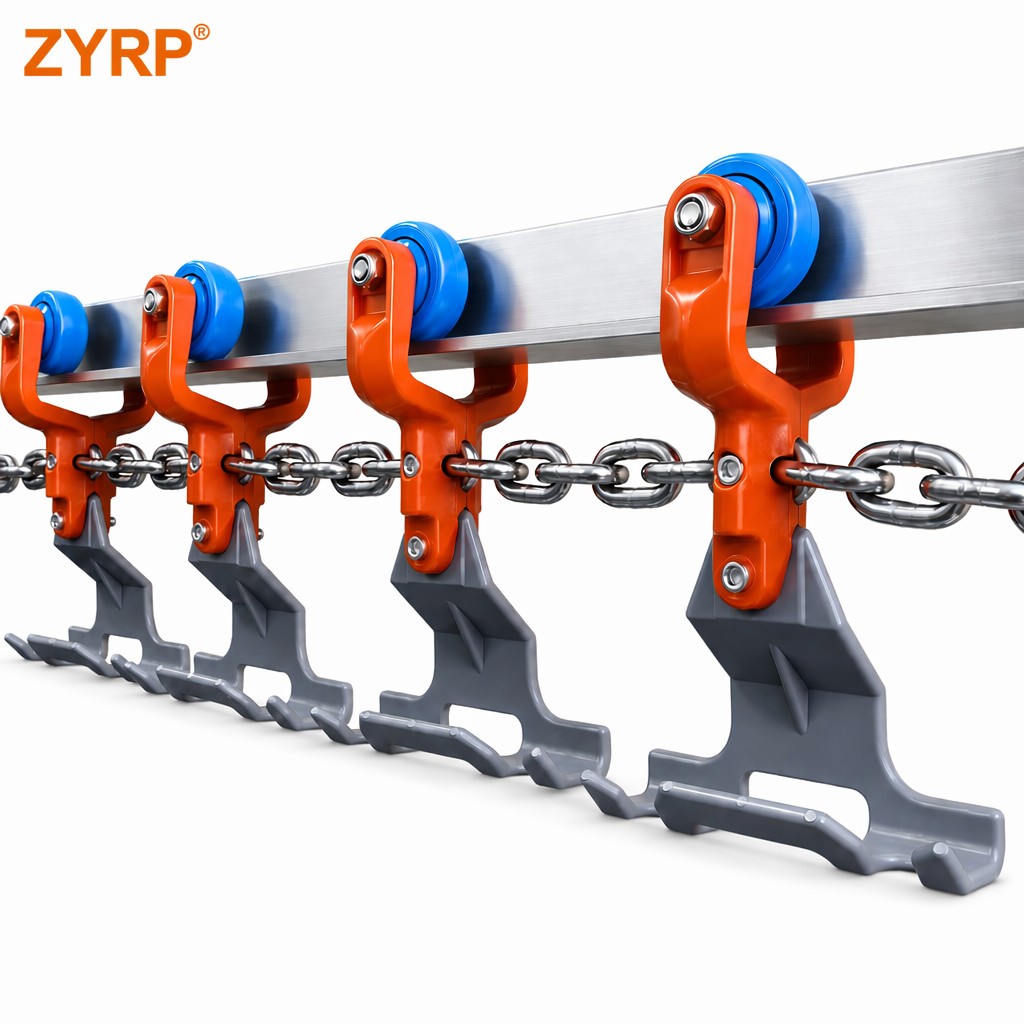
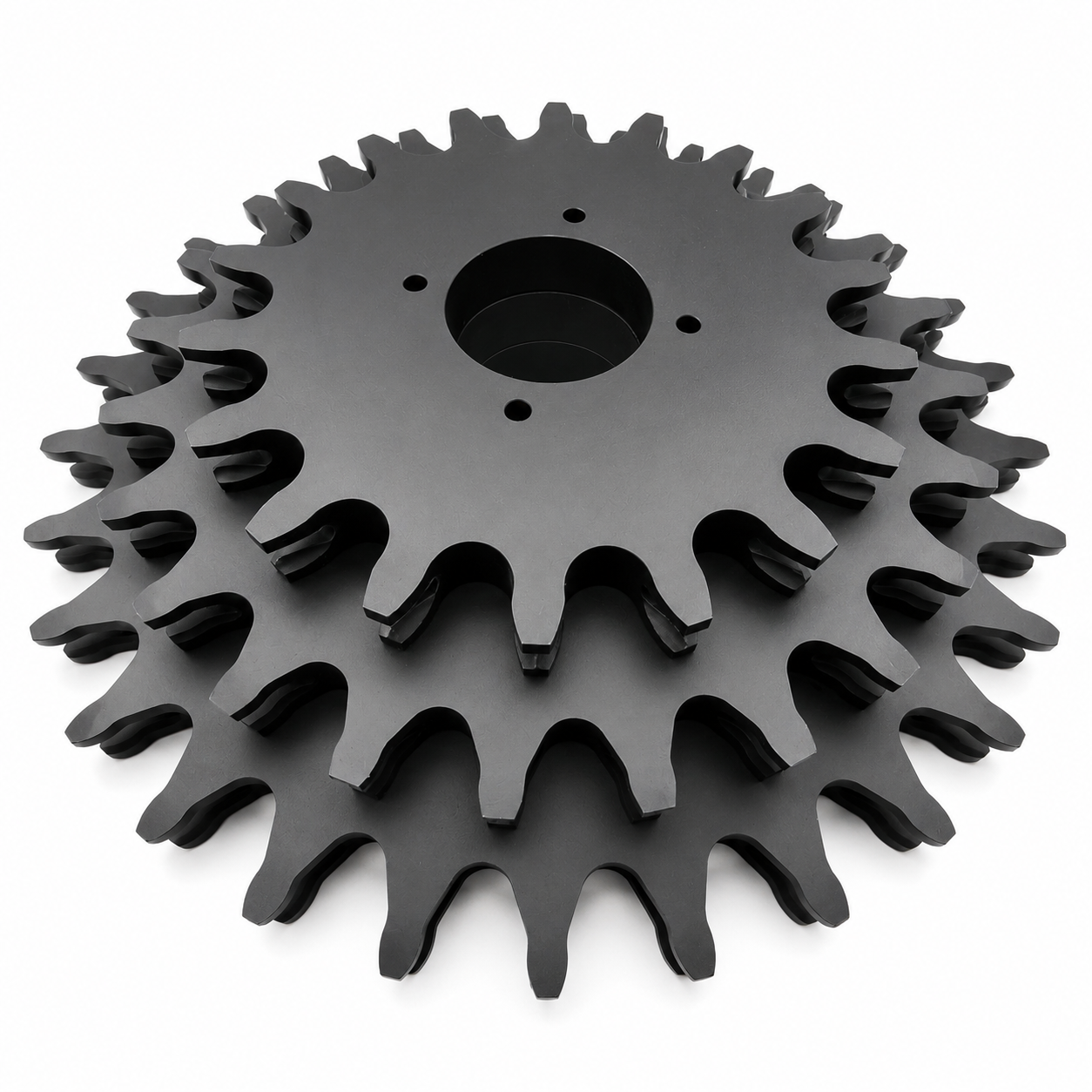
Choosing between steel and nylon for a conveyor trolley is a durability decision shaped by load, environment, cleaning routines, and operating cycle. Neither material lasts longer in every installation: steel handles some mechanical demands well, while nylon can suit systems where corrosion resistance and quieter movement matter. The useful comparison is how each conveyor trolley responds to the actual stresses of the line, not a general claim that one material is always stronger.
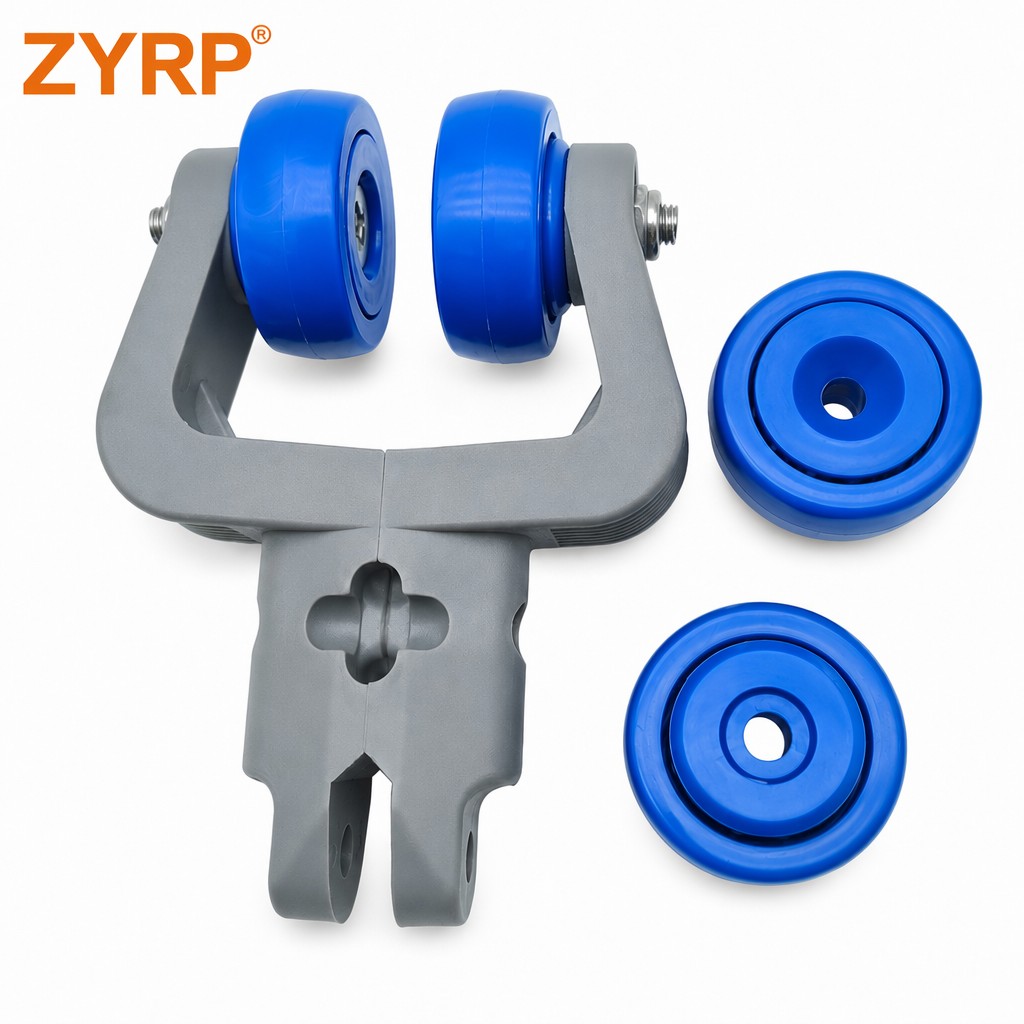
This guide compares steel and nylon conveyor trolley durability in practical terms. It explains the wear mechanisms, operating conditions, inspection points, and selection trade-offs that maintenance and purchasing teams should review before specifying a trolley. For an overhead system, matching material to the track, load, washdown exposure, and service plan can help prevent avoidable wear and unexpected interruptions.
Steel is often considered where the conveyor trolley experiences substantial mechanical stress, frequent impacts, or demanding load conditions. Its stiffness can help the assembly resist deformation, but durability still depends on the design, steel grade, wheel arrangement, and load distribution. A steel conveyor trolley that is overloaded or repeatedly struck may develop bent components, loose joints, or track damage, so material alone does not guarantee a long service life.
Nylon behaves differently under impact and sustained force. It is lighter than steel and can absorb some vibration, but load ratings and operating temperature limits must be checked for the specific component. A nylon conveyor trolley may wear or deform sooner if loads exceed its intended capacity or if it remains under high stress for long periods. Compare the rated working load with the real load, including product variation and handling shocks.
Wear at the wheel and track interface is a major part of conveyor trolley durability. Steel wheels can tolerate demanding contact in suitable systems, yet metal-on-metal contact may create noise and can accelerate wear if alignment, lubrication, or track condition is poor. Nylon wheels may provide quieter travel and reduce direct metal contact, but abrasive dust, rough track surfaces, or embedded debris can still wear the wheel. Inspection should focus on both running surface and track.
When assessing a conveyor trolley, look at the whole contact system rather than the wheel material in isolation. Check whether the load is centered, whether trolleys travel smoothly through curves, and whether the track has burrs or uneven joints. A nylon component can be a sensible option where quieter movement is valued, while steel may fit higher mechanical demands. Either choice can fail early when alignment issues repeatedly concentrate force on one wheel.
Moisture and cleaning chemistry can shift the durability balance. Steel may require protective treatment or a suitable corrosion-resistant specification when exposed to water, detergents, or humid air. Surface damage can expose vulnerable areas, so a steel conveyor trolley needs inspection for rust, coating loss, and corrosion around joints. The correct response depends on the metal specification and the chemicals used, not simply on whether the facility conducts frequent washdowns.
Nylon does not rust, which can be useful in wet or regularly washed areas, but it is not immune to environmental damage. Confirm compatibility with sanitizers, oils, and other process chemicals because exposure can affect particular plastics over time. A conveyor trolley made with nylon parts should also be checked for cracking, swelling, or unusual surface changes. Cleaning methods matter: excessive heat or unsuitable chemicals may shorten component life even when corrosion is not a concern.
Temperature is another important service-life condition. Nylon properties can vary with heat and cold, so verify the component’s specified operating range against ambient conditions, hot cleaning, and nearby process equipment. Steel is less affected by ordinary temperature variation, but thermal expansion, lubrication changes, and condensation can still influence a conveyor trolley and its track. If temperatures fluctuate, evaluate the complete assembly under the actual operating cycle rather than relying on room-temperature assumptions.
Dust, feathers, fibers, grease, and product residue can collect around wheels and axles. Contamination increases friction or obstructs movement, placing extra load on any conveyor trolley material. Nylon may be chosen to limit corrosion concerns, while steel may be selected for mechanical robustness, but neither eliminates the need for cleaning and inspection. Consider how quickly debris builds up, whether it can be removed without dismantling parts, and how often the line can be safely stopped for service.
A practical selection starts with the duty profile: transported load, trolley spacing, line speed, track geometry, daily running hours, and frequency of starts and stops. Record peak loads as well as normal loads, then compare them with component ratings. For a conveyor trolley exposed to impact or high mechanical stress, steel may be appropriate if corrosion is controlled. For wet conditions or noise-sensitive operation, nylon may be worth evaluating within its load and temperature limits.
Track and trolley compatibility must be confirmed before changing materials. Wheel dimensions, bearing arrangements, clearances, and track profile influence travel and load transfer. A conveyor trolley that fits poorly can bind, wobble, or wear unevenly, regardless of whether it is made from steel or nylon. Review supplier specifications, installation tolerances, and the existing system design. Where uncertainty remains, test a representative assembly under normal production conditions before making a wider change.
A useful maintenance plan makes durability observable. Inspect wheel surfaces, axles, fasteners, corrosion, cracks, and movement through curves at a consistent interval. Record where damage occurs and whether failures cluster around a particular track section or operating shift. If a conveyor trolley repeatedly shows one-sided wear, investigate alignment and load balance before replacing it with a different material. Correcting the cause can protect both trolley components and the overhead track.
Replacement decisions should consider total service conditions, not purchase price alone. Include access time, cleaning requirements, spare-part availability, downtime risk, and the labor needed for inspection. A steel conveyor trolley may need attention to protective finishes in a corrosive area, while a nylon version requires checks for heat exposure and plastic wear. Consistent records help teams compare like-for-like service intervals and refine specifications using evidence from their own line.
Nylon avoids rust, so it can be advantageous in wet areas, but chemical and temperature compatibility still matter. Steel can also serve reliably when its specification and protection suit the exposure. Choose a conveyor trolley based on the cleaning process, load, and track conditions, then monitor wear during routine inspections.
Steel is generally stiffer, but strength and service life depend on component design, ratings, and operating conditions. Nylon can be suitable within its rated load and temperature range. Confirm the conveyor trolley specification against peak loads and impacts instead of assuming material names alone determine performance.
Start with wheel wear, free movement, axle condition, corrosion or cracking, and the track surface. Look for uneven wear that signals poor alignment or an unbalanced load. Keeping conveyor trolley inspection records makes recurring problems easier to identify and helps guide a material or maintenance change.
 Hot News
2026-11-23
2026-11-16
2026-11-09
2026-11-02
2026-10-29
2026-10-22
Hebei Zunyan Technology provides high-quality poultry processing spare parts for global meat processors. Our stainless steel & plastic eviscerating shackles, chains, and custom CNC components ensure durability, precision, and fast dispatch. 30+ production lines, ISO-aligned quality, 48h shipping. Request quote today.
1901, Unit C19, Tongrui Business Building, Changjiang Sub-district, Yuhua District, Shijiazhuang City, Hebei Province, China
Copyright © 2026 Hebei Zunyan Technology Co., Ltd. All Rights Reserved Privacy Policy
 EN