When evaluating options for industrial operations, evaluating a stainless steel trolley TCO against cheaper plastic alternatives involves far more than comparing initial purchase price tags. While metal carts represent a higher upfront investment, understanding their complete financial picture through a material handling equipment cost analysis reveals why leading facilities consistently choose them over plastic solutions. The true ROI emerges when you factor in structural durability, routine maintenance overhead, replacement cycles, and long-term production efficiency.
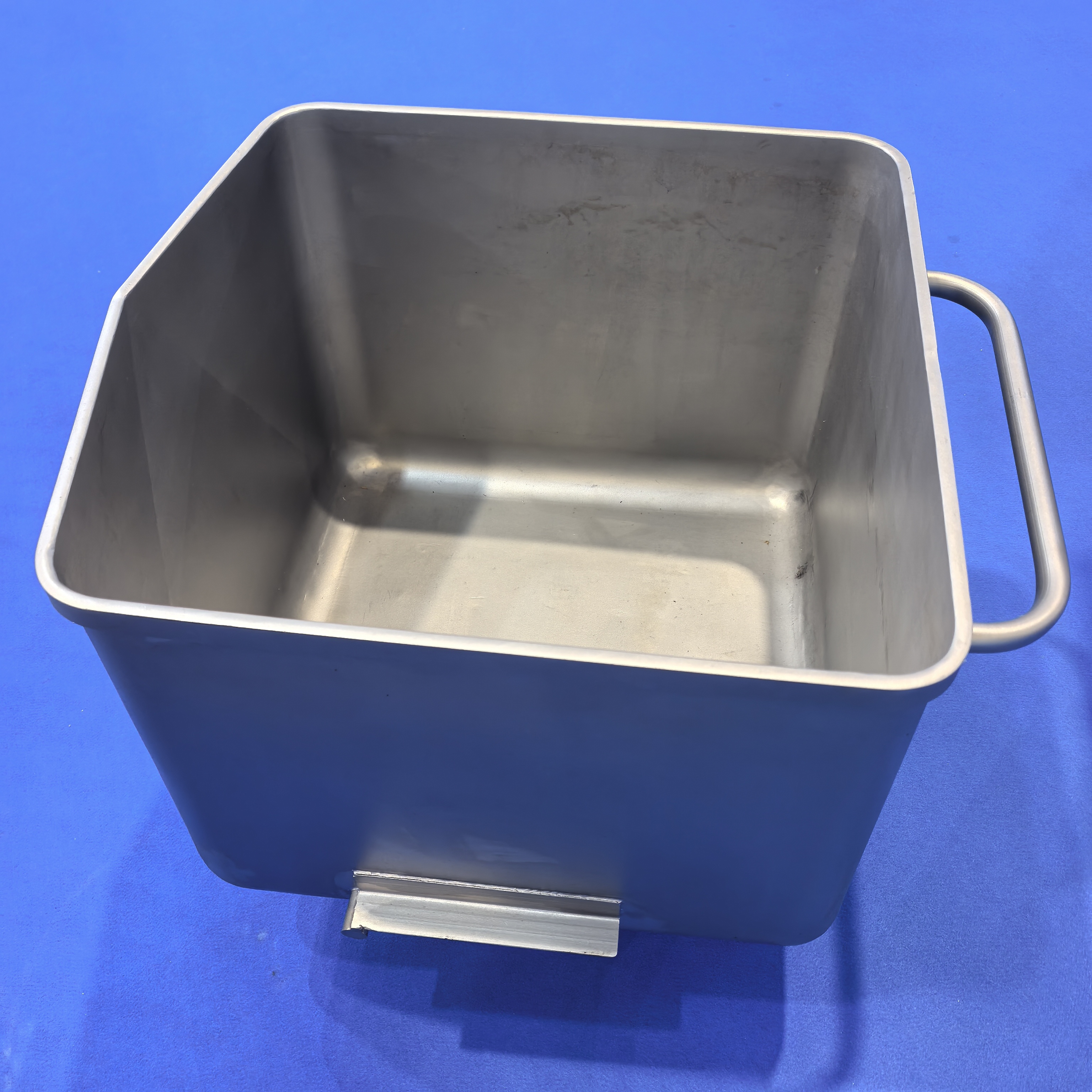
Comparing a plastic trolley vs stainless steel model directly impacts your facility's budget across multiple operating categories. A high-grade metal unit typically costs two to four times more upfront, but this initial premium reflects fundamental differences in metallurgy, construction quality, and load-bearing endurance. Operations that perform a comprehensive industrial trolley lifecycle cost review discover that metal units deliver far superior financial value when calculated across years of active service rather than initial expenditure alone.
Evaluating a stainless steel trolley TCO requires looking far beyond upfront acquisition fees. A realistic material handling equipment cost analysis must account for several primary variables:
Acquisition & Tax Depreciation: Metal carts qualify for longer depreciation schedules, providing financial advantages that short-lived plastic units cannot offer.
Maintenance & Labor Overhead: Structural integrity minimizes repairs, directly reducing your technical labor allocation over time.
Replacement Frequency: High-grade steel units operate reliably for 10 to 15 years, whereas plastic alternatives often require full replacement within 2 to 4 years.
Compliance & Hygiene Certifications: Sanitary facilities require equipment standards that naturally favor non-porous metal construction.
Factoring in these variables fundamentally alters the economic equation when projecting a plastic trolley vs stainless steel purchasing decision over a realistic operational timeline.
To execute an accurate industrial trolley lifecycle cost study, establish a baseline operational window of at least seven years. Within this timeframe, calculate all anticipated expenditures including capital outlay, scheduled service labor, repair parts, emergency downtime losses, and disposal fees.
A complete material handling equipment cost analysis shows that metal units incur predictable maintenance costs that remain stable year after year. Conversely, a plastic trolley vs stainless steel comparison reveals that polymer units experience accelerating maintenance requirements as material degradation advances. Over a multi-decade operational horizon, purchasing three long-lasting metal carts is significantly more economical than continuously re-ordering dozens of short-lived plastic units.
Evaluating plastic trolley vs stainless steel durability highlights major material science differences. Stainless alloys resist heavy corrosion, UV degradation, harsh sanitation chemicals, and high mechanical impact. Polymers degrade through stress cracking, UV brittleness, surface fatigue, and chemical leaching that steadily compromise load capacity.
Understanding your industrial trolley lifecycle cost means accounting for harsh operating environments:
Chemical Exposure: Metal carts withstand aggressive caustic washdowns without structural erosion.
Load Retention: Stainless frames maintain original rated capacities throughout their service lifespan, while polymer frames sag under continuous heavy loading.
Regulatory Compliance: Inspection agencies consistently favor seamless, non-porous metals in food processing and pharmaceutical facilities, lowering audit risks.
Optimizing your overall stainless steel trolley TCO rests heavily on these environmental resistance factors.
Preventive maintenance for metal carts involves simple routines: periodic cleaning, wheel lubrication, and occasional bearing replacement. Conversely, managing a fleet of plastic units requires frequent intervention as structural joints crack, fasteners strip, and wheel mounts deform.
A thorough material handling equipment cost analysis must also evaluate replacement parts availability. Stainless units use standardized wheels, bearings, and fasteners accessible through industrial supply chains at competitive prices. Plastic carts frequently rely on proprietary molded components that become expensive or obsolete over time, accelerating unnecessary equipment turnover and worsening your industrial trolley lifecycle cost.
Equipment downtime carries hidden costs that far exceed component repair invoices. When executing a material handling equipment cost analysis, consider these productivity risks:
Unplanned Outages: Plastic structural failures happen suddenly under load, spilling product and halting production lines.
Service Speed: Metal trolley repairs are straightforward and fast due to standardized components.
Capacity Planning: Predictable performance allows plant managers to optimize workflow routing without downrating equipment load limits over time.
Calculating your stainless steel trolley TCO demonstrates that operational continuity and avoided downtime quickly offset the initial purchase price difference.
Modern corporate mandates increasingly prioritize sustainable capital assets. Comparing a plastic trolley vs stainless steel alternative highlights major end-of-life differences:
Stainless steel is 100% recyclable at end-of-life, turning retired assets into scrap value while supporting corporate sustainability goals. Plastic units generate non-biodegradable waste and incur disposal surcharges.
Factoring sustainability into your industrial trolley lifecycle cost protects your facility from tightening environmental regulations and disposal fees.
Yes, in almost all medium to heavy industrial environments. While plastic is cheaper on day one, a material handling equipment cost analysis shows that stainless steel recovers its purchase premium within 3 to 5 years through reduced maintenance, zero premature replacements, and avoided line stoppages.
Follow a simple preventive routine: monthly visual checks of wheels and fasteners, quarterly bearing lubrication, and annual deep sanitation. This minimal maintenance regime ensures your stainless steel trolley TCO remains as low as possible over a 10- to 15-year service life.
Stainless steel maintains superior structural rigidity and weight distribution under heavy loads. Unlike plastic options that deform or develop stress fractures under continuous heavy usage, metal units maintain their rated weight capacity indefinitely.
 Hot News
2026-08-12
2026-08-12
2026-08-12
2026-08-12
2026-08-12
2026-08-12

Hebei Zunyan Technology provides high-quality poultry processing spare parts for global meat processors. Our stainless steel & plastic eviscerating shackles, chains, and custom CNC components ensure durability, precision, and fast dispatch. 30+ production lines, ISO-aligned quality, 48h shipping. Request quote today.
1901, Unit C19, Tongrui Business Building, Changjiang Sub-district, Yuhua District, Shijiazhuang City, Hebei Province, China
Copyright © 2026 Hebei Zunyan Technology Co., Ltd. All Rights Reserved Privacy Policy
 EN
EN