Ensuring poultry slaughtering equipment compliance is a critical operational requirement for any facility processing poultry for human consumption. Meeting regulatory standards for poultry slaughtering equipment compliance guarantees product safety, worker protection, and continuous plant operations. Understanding the specific regulations governing your machinery helps processors avoid costly USDA violations, maintain market access, and build consumer confidence in their production capability.
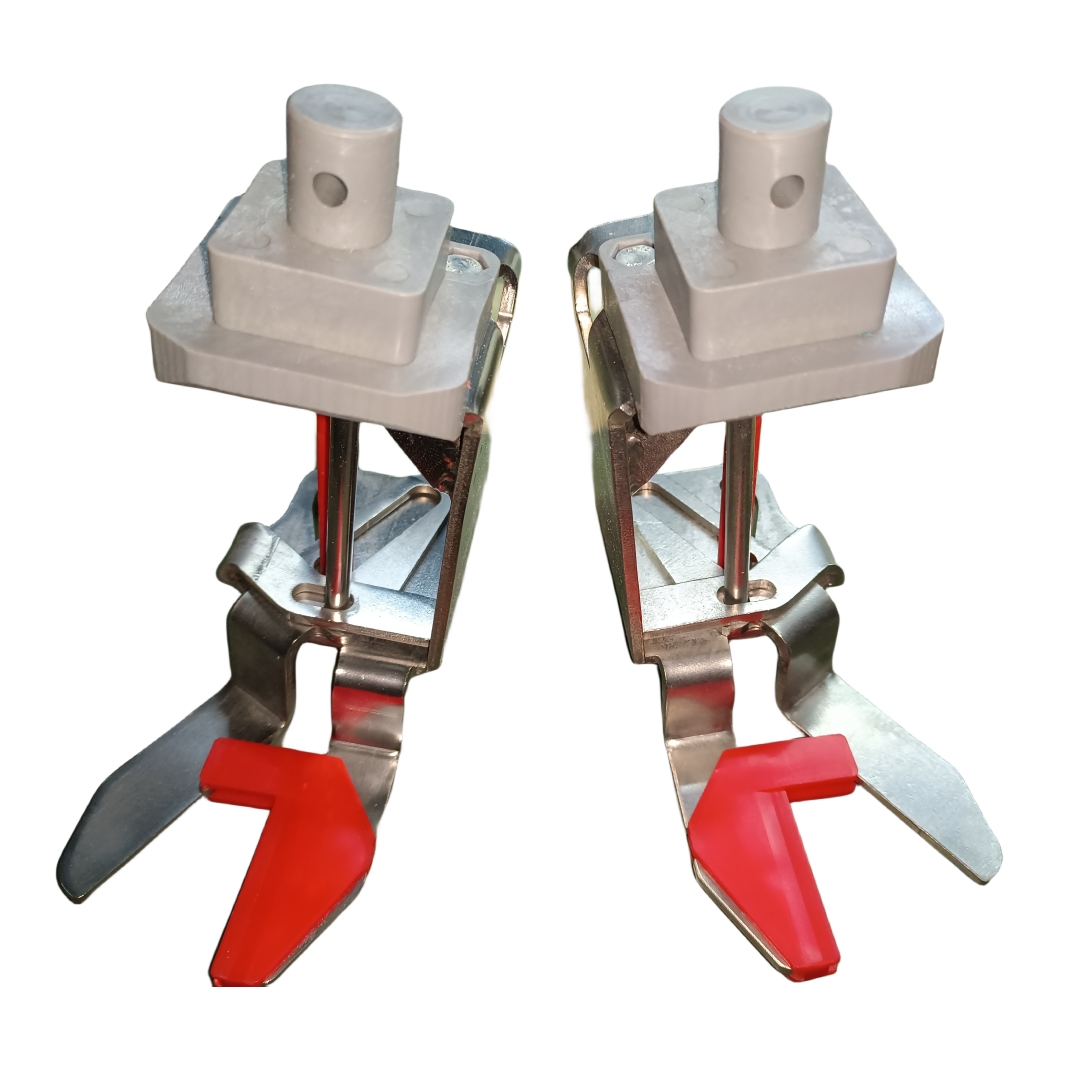
Modern processing depends on specialized machinery designed around strict health protocols. Maintaining complete poultry slaughtering equipment compliance requires adhering to federal, state, and international standards governing everything from animal welfare to poultry processing sanitation and worker ergonomics. Facilities prioritizing poultry slaughtering equipment compliance gain significant competitive advantages, minimize regulatory risks, and streamline facility operations.
The United States Department of Agriculture (USDA) establishes mandatory rules that dictate poultry slaughtering equipment compliance across federally inspected plants. These regulations require that all processing machinery be designed and maintained to prevent food contamination, ensure humane animal handling, and support poultry worker safety equipment standards. Achieving poultry slaughtering equipment compliance is non-negotiable for facilities seeking federal inspection marks and distribution rights.
USDA poultry equipment standards dictate that machinery must be constructed from corrosion-resistant, non-porous materials that withstand continuous chemical washdowns. Equipment specifications require certified food-grade materials and rigorous sanitation design. Processing plants must maintain detailed logs of their maintenance schedules, material certifications, and regulatory audits to satisfy federal inspectors and demonstrate poultry slaughtering equipment compliance.
Beyond federal mandates, state agencies impose additional standards affecting poultry slaughtering equipment compliance. Regional rules may require enhanced protocols for poultry processing sanitation, heightened environmental runoff limits, or specialized safety guards. Processors operating across multiple regions must ensure their machines satisfy the strictest local standards to achieve full poultry slaughtering equipment compliance.
Local health authorities conduct unannounced inspections to verify that machinery operates in accordance with documented protocols. Because state standards vary, strategic machinery selection helps operations maintain multi-state poultry slaughtering equipment compliance without requiring costly ongoing structural modifications.
Achieving poultry slaughtering equipment compliance begins with robust manufacturing materials. Processing machinery must be fabricated from food-grade 304 or 316L stainless steel and approved polymers capable of surviving daily sanitization cycles. The mechanical design must eliminate crevices, dead zones, and hollow tubes where bacterial pathogens like Salmonella or Listeria can harbor.
All contact surfaces must meet smoothness tolerances established under USDA poultry equipment standards. Gaskets, seals, and fasteners must be easily accessible and resistant to degradation from hot water and caustic agents. Regular physical inspections ensure that worn components are replaced quickly to sustain poultry slaughtering equipment compliance.
Maintaining poultry slaughtering equipment compliance requires documented sanitation SOPs that define chemical concentrations, water temperatures, and exposure times. Machinery must be disassembled according to engineering guidelines for thorough cleaning before reassembly. Validating that poultry processing sanitation eliminates pathogens is necessary for audit readiness.
Documentation plays a central role in maintaining poultry slaughtering equipment compliance. Facilities must keep comprehensive digital records showing clean-down times, chemical verification tests, and responsible personnel. Third-party audits validate these records to confirm ongoing adherence to food safety standards.
Maintaining poultry worker safety equipment integration is a core pillar of poultry slaughtering equipment compliance. Machinery must feature integrated emergency cut-offs, fixed guards, and interlocking safety switches to protect operators from moving blades and conveyances. Ergonomic adjustments help reduce repetitive strain injuries, supporting a safer workplace environment.
Proper mechanical maintenance ensures that emergency stop systems and guards function reliably during processing operations. Combining worker safety training with USDA poultry equipment standards ensures that facilities prevent workplace accidents while maintaining high productivity levels.
A structured preventive maintenance program protects poultry slaughtering equipment compliance by preventing mechanical failures that jeopardize food or worker safety. Essential maintenance tasks include:
Routine Inspection: Checking drive belts, bearings, and blade alignments daily for wear.
Lubrication Management: Applying food-grade lubricants to prevent mechanical friction without contaminating product zones.
Safety Switch Verification: Testing emergency stops and safety interlocks prior to every shift.
Audit-Ready Logging: Documenting component replacements to demonstrate ongoing poultry slaughtering equipment compliance.
Poultry slaughtering equipment compliance requires adherence to USDA HACCP frameworks, material traceability certificates, and manufacturer compliance declarations. Third-party verification marks, such as NSF or 3-A Sanitary Standards, help demonstrate full alignment with USDA poultry equipment standards.
Visual checks for poultry slaughtering equipment compliance must occur daily before production begins. Comprehensive mechanical and poultry processing sanitation audits are performed quarterly or semi-annually, alongside unannounced USDA inspector reviews.
Yes, older machinery can often be upgraded with modern safety guards, stainless steel components, and improved spray bars to achieve poultry slaughtering equipment compliance. However, full replacement is sometimes more cost-effective than retrofitting machines built before current USDA poultry equipment standards were established.
 Hot News
2026-08-12
2026-08-12
2026-08-12
2026-08-12
2026-08-12
2026-08-12

Hebei Zunyan Technology provides high-quality poultry processing spare parts for global meat processors. Our stainless steel & plastic eviscerating shackles, chains, and custom CNC components ensure durability, precision, and fast dispatch. 30+ production lines, ISO-aligned quality, 48h shipping. Request quote today.
1901, Unit C19, Tongrui Business Building, Changjiang Sub-district, Yuhua District, Shijiazhuang City, Hebei Province, China
Copyright © 2026 Hebei Zunyan Technology Co., Ltd. All Rights Reserved Privacy Policy
 EN
EN