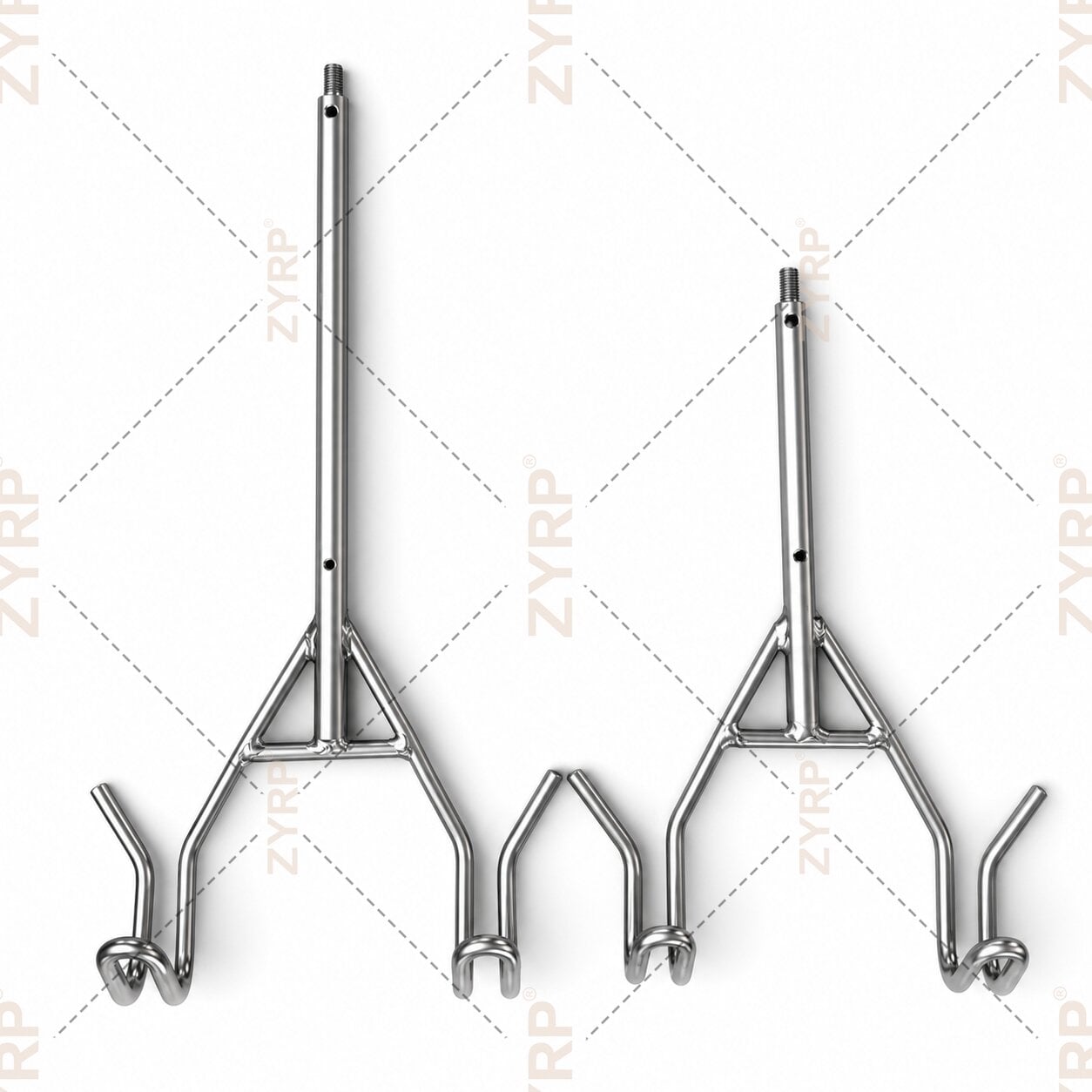
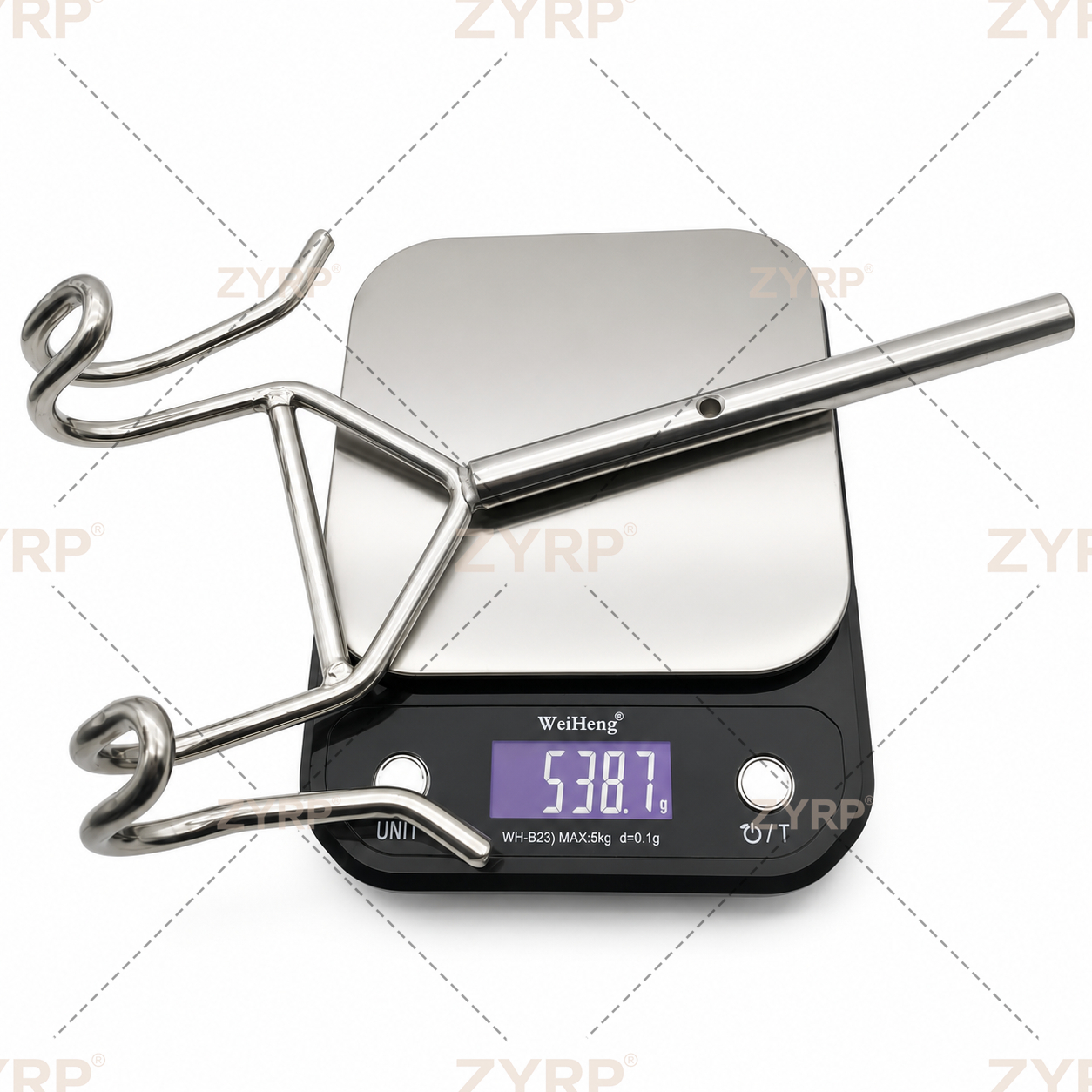
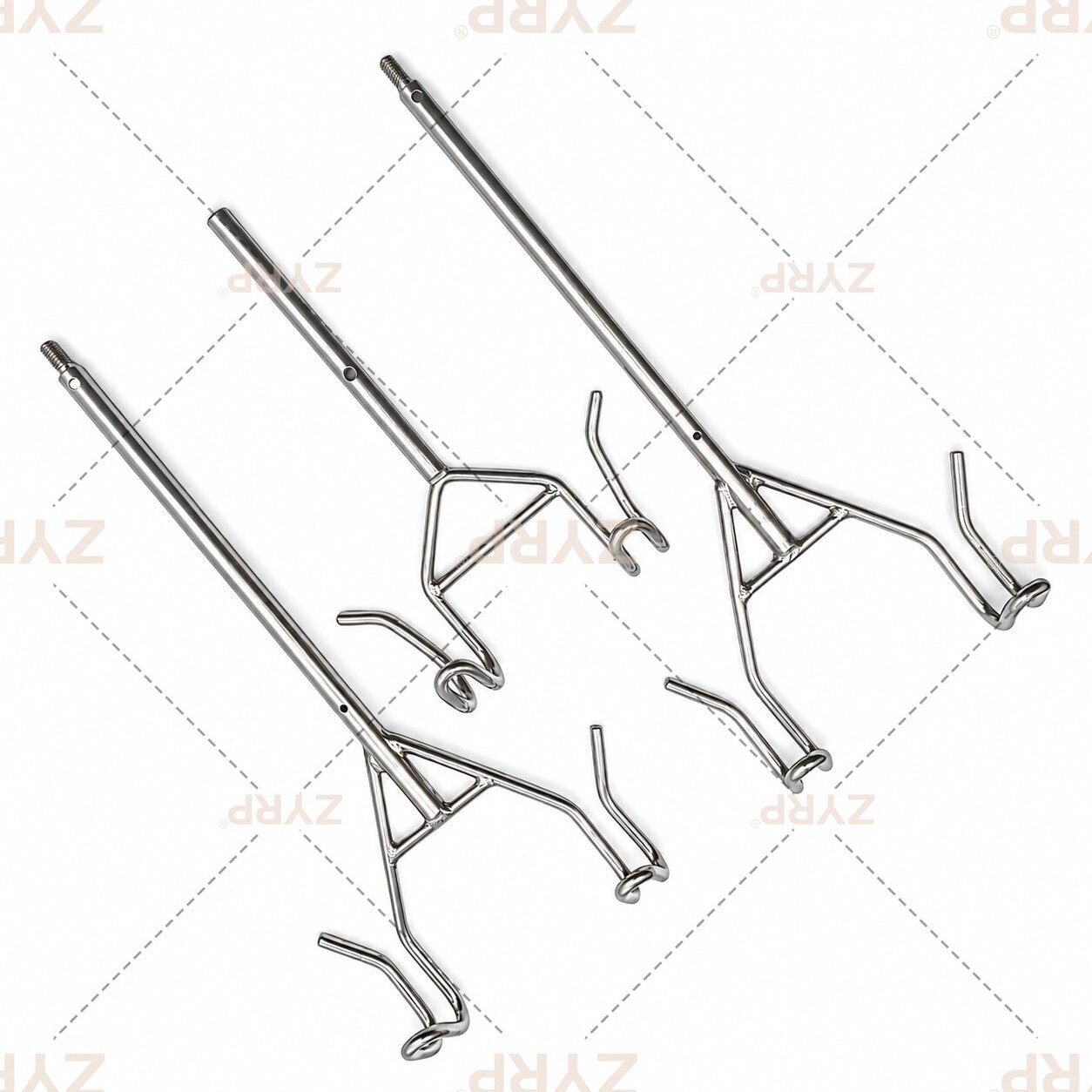
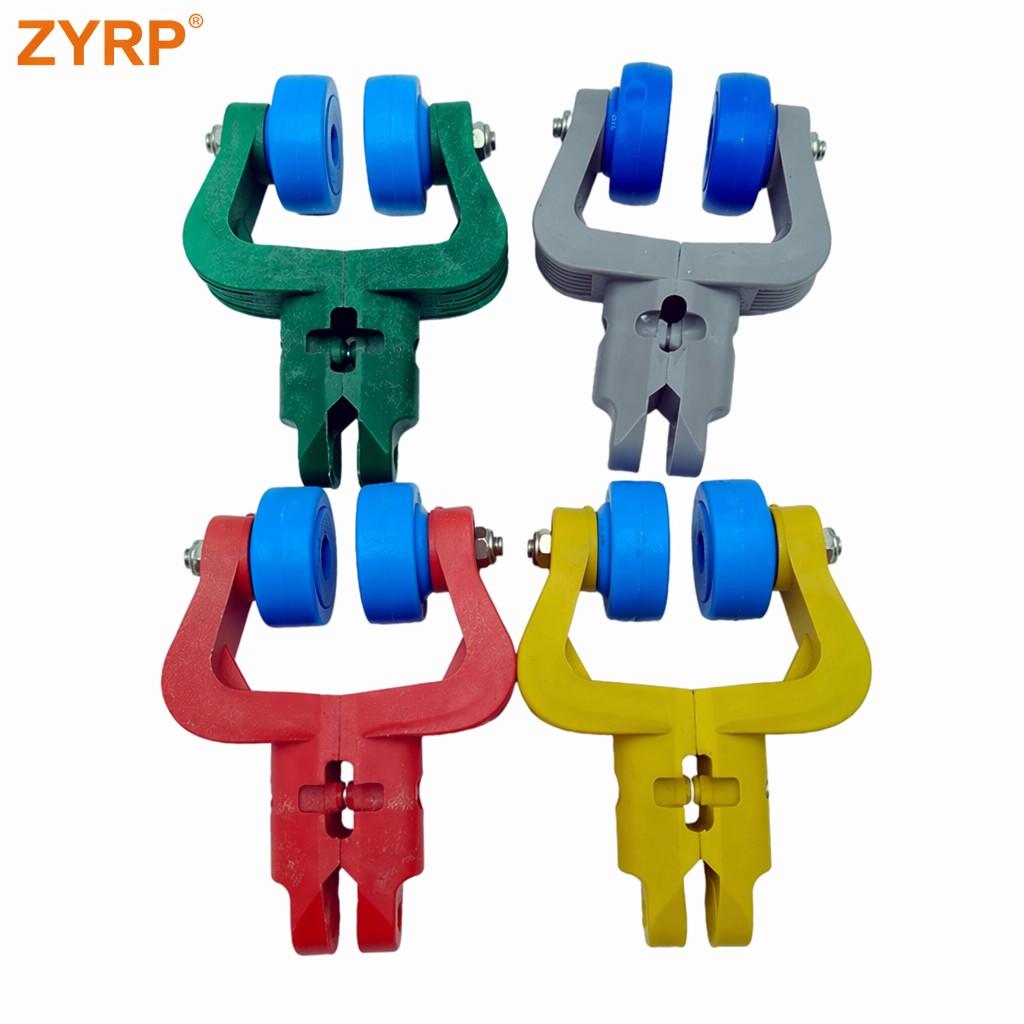
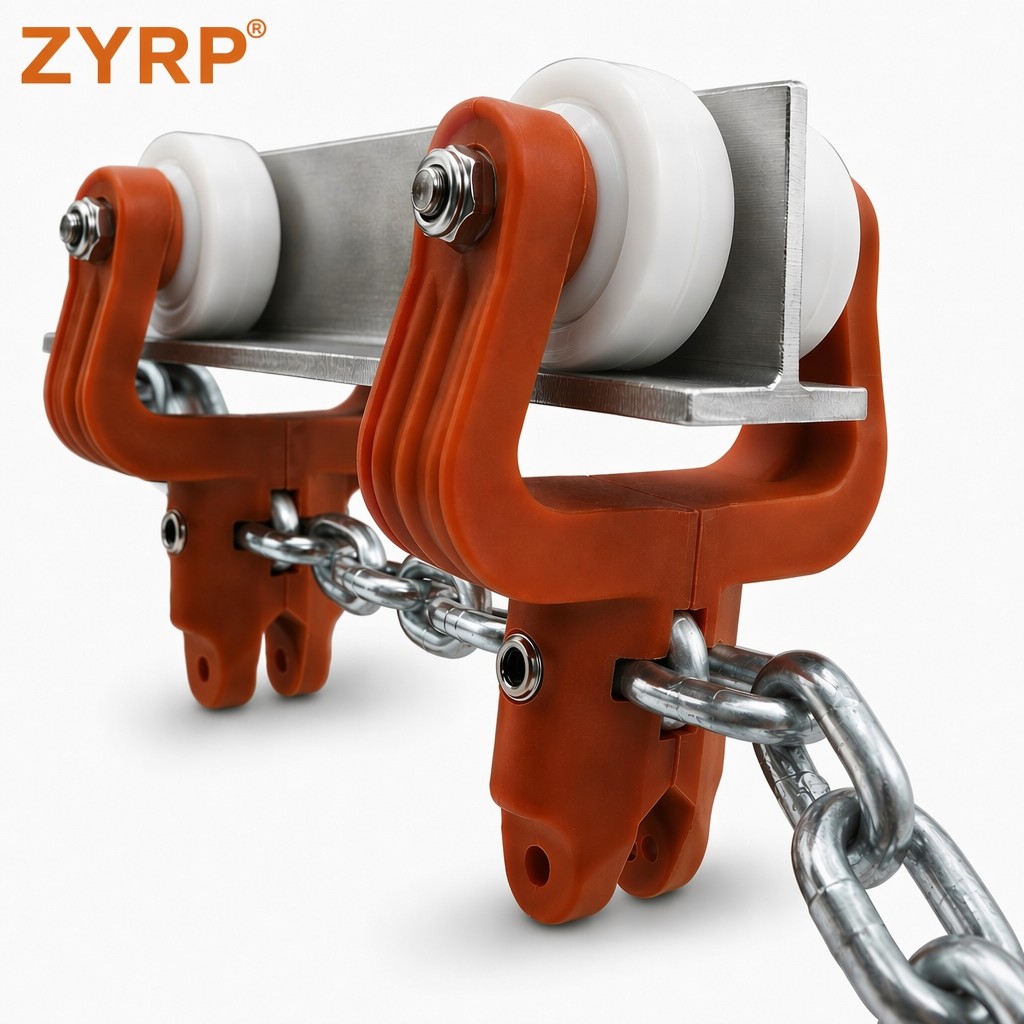
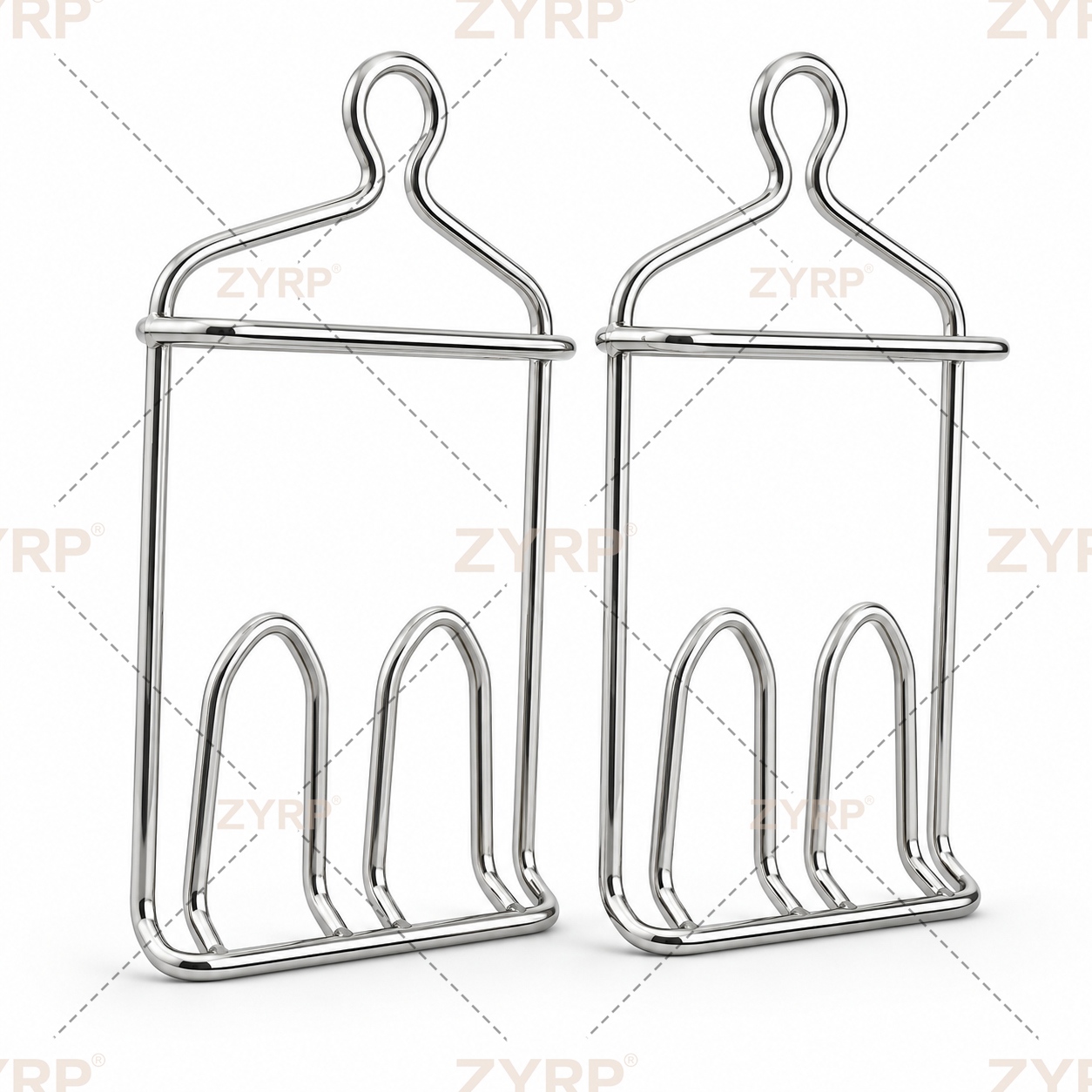
The Poultry Portioning and Deboning Station Shackle Hook is a food grade stainless steel hook designed for the cut-up, portioning and deboning stages of a poultry processing line, where whole birds are transferred off the evisceration conveyor and presented individually to operators or automatic portioning machines. Unlike an eviscerating hook, which only has to suspend a carcass through washing and chilling, a shackle hook at the deboning station must hold the bird in a fixed, repeatable position while a knife, a cone or a portioning blade applies significant cutting force against it. The hook therefore functions as a fixture: it locates the carcass, resists rotation under load, and returns to the same datum every cycle so that every cut falls on the same plane.
This shackle hook is manufactured by Hebei Zunyan Technology Co., Ltd., a supplier of stainless steel poultry processing components and conveyor hardware. All hooks are produced from AISI 304 or 316L stainless steel bar on CNC formers, TIG-welded with full penetration, polished and passivated, and supplied with material certificates on request. Direct technical contact: Jenny, +86 152 3219 2887.
At a modern deboning room running 3,000 to 9,000 birds per hour across several stations, hook geometry and clamping behaviour directly govern yield. A hook that lets the carcass rotate by 10° during a shoulder cut produces an off-spec fillet; a hook whose cradle has spread by 3 mm after a year of service drops the bird onto the table. Both failures are avoidable if the hook is specified as a precision fixture rather than a piece of bent wire.
Material. Standard production uses AISI 304 (EN 1.4301) stainless steel, with 316L (EN 1.4404) available for plants running high-chloride wash water, chlorine dioxide, or heavy peracetic acid sanitation. Both are food grade stainless steel grades listed under FDA 21 CFR 177 and EU Regulation 1935/2004, and 316L additionally satisfies NSF/ANSI 51 for food-zone contact. In deboning rooms, where hooks are handled constantly by operators and washed frequently, 316L is worth the premium in coastal or high-chloride plants.
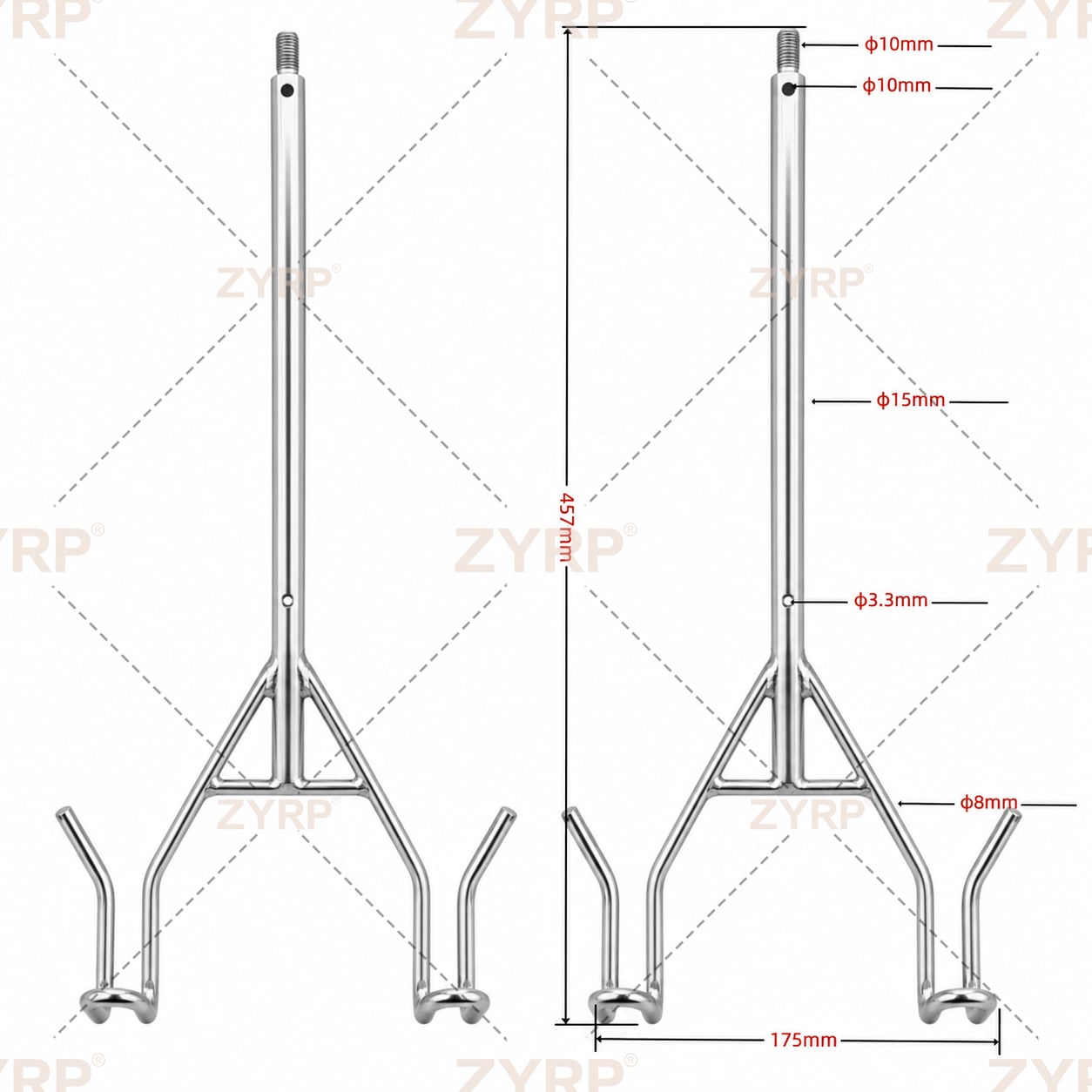
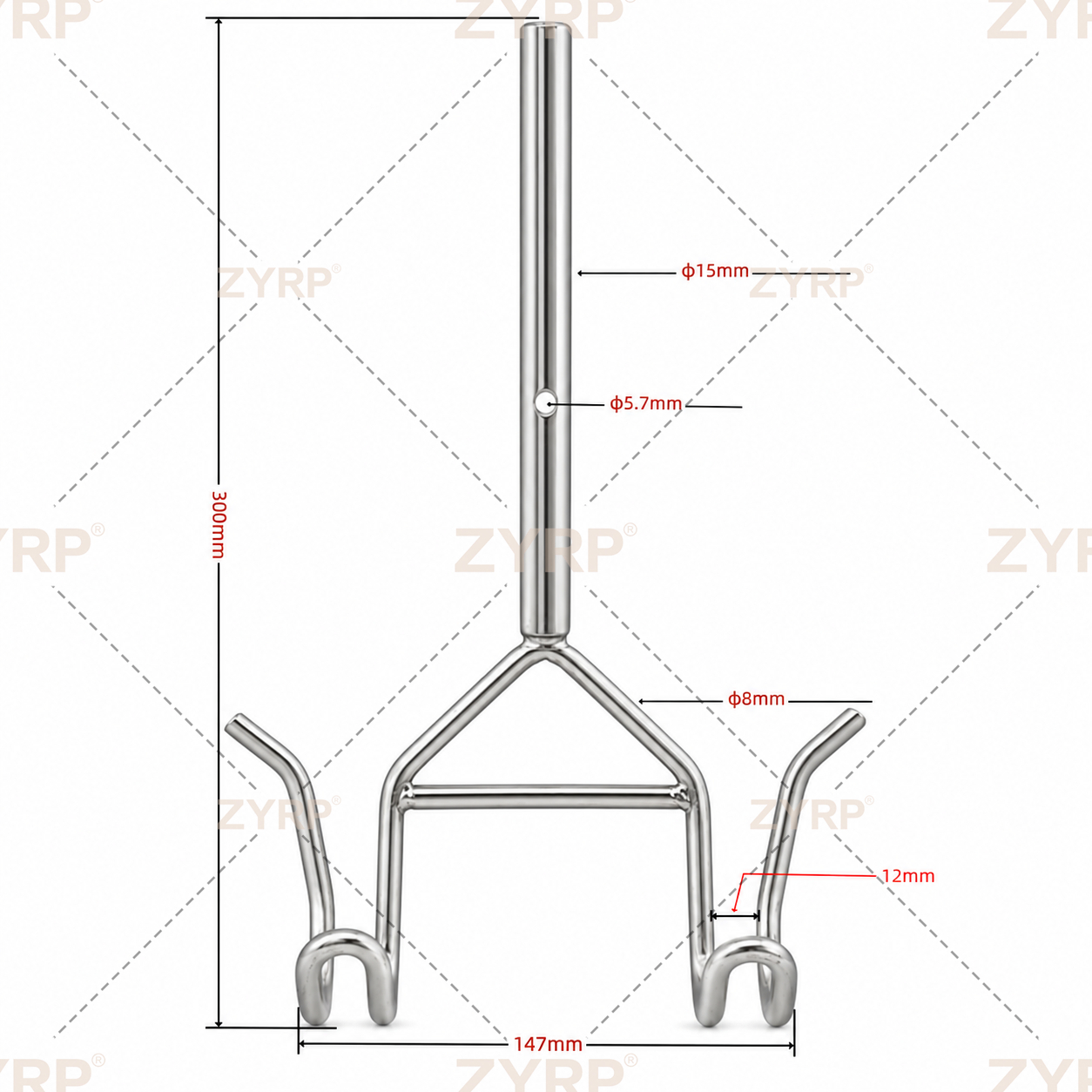
Forming. The hook is CNC cold-formed from solid round bar between 6 mm and 10 mm diameter, then TIG-welded to the shank with full penetration. Weld zones are ground flush and re-passivated so that the food-contact surface is continuous. There are no tubular sections, no rolled sheet edges and no blind holes — a cleanability decision that also improves stiffness.
Geometry. The hock cradle is a radiused U-form matched to species: 26–30 mm for broiler, 34–40 mm for turkey and heavy fowl. For portioning and deboning work the cradle is deliberately deeper and the fork is closed and welded, so the carcass sits at a controlled angle and cannot rotate when the operator applies knife pressure. The shank length is set so that the working height suits the station layout — typically 120 mm to 260 mm, with custom lengths available.
Retention. A stainless spring leg or torsion wire applies a controlled closing force of 15–25 N. This holds a 2.5 kg carcass firmly through a shoulder or leg cut while still allowing one-handed loading at 20–35 birds per minute. The spring is fully captured so it cannot trap tissue and cannot be dislodged by an operator's knife.
Surface finish. Standard mechanical polish achieves Ra ≤ 0.8 μm; electropolishing reaches Ra ≤ 0.4 μm and removes free iron left by machining. In a deboning room the hook is wet, fatty and handled dozens of times per shift, and surface roughness above Ra 0.8 μm measurably increases biofilm retention on food grade stainless steel hook surfaces.
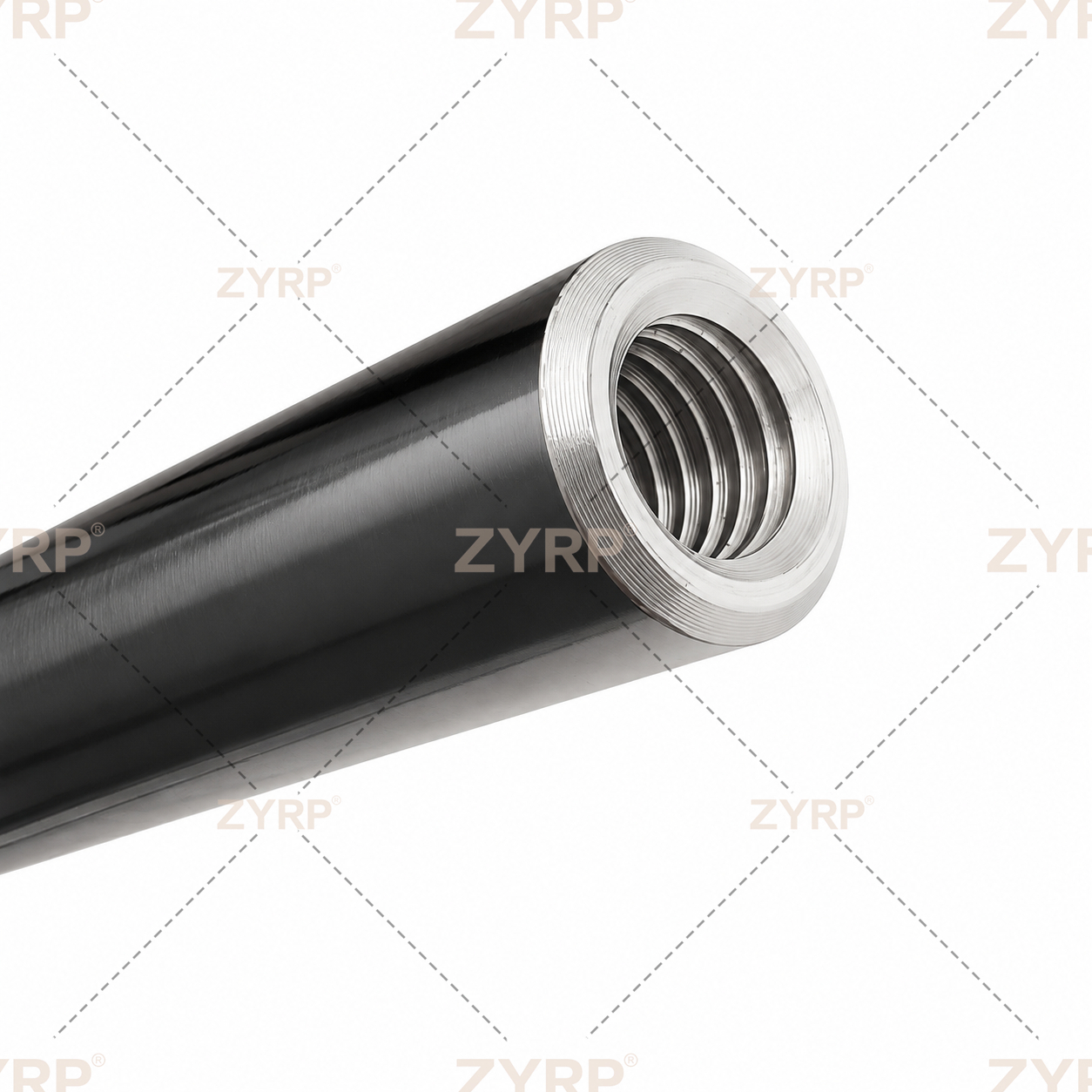
Interfaces. Hooks are supplied with a trolley-mount clevis, a threaded stem (M8/M10), a cone-mount base for deboning cones, or a proprietary carrier fit matched to your conveyor. Pitch — commonly 152 mm, 203 mm or 305 mm — must be specified, because it sets shackle spacing and therefore station timing.
Parameter |
Value |
Material |
AISI 304 / 316L stainless steel |
Bar diameter |
6 mm / 8 mm / 10 mm |
Overall length |
120 mm – 260 mm |
Hock cradle width |
26–30 mm broiler / 34–40 mm turkey |
Working load |
5 kg – 15 kg per hook |
Spring closing force |
15–25 N |
Surface roughness |
Ra ≤ 0.8 μm (std) / ≤ 0.4 μm (EP) |
Hook pitch compatibility |
152 / 203 / 305 mm |
Operating temperature |
−30 °C to +95 °C |
Steriliser compatibility |
82–85 °C immersion |
Weight |
90 g – 180 g per unit |
Certification |
FDA 21 CFR 177, EU 1935/2004, EN 1672-2 |
The portioning and deboning hook works under a different load profile from any other hook on the line. Eviscerating hooks carry a passive load; debris hooks carry intermittent transfer; the shackle hook is actively cut against. Every cut transmits a torque through the carcass into the hook, and if the hook yields, the operator loses the datum and starts compensating by eye — which is exactly where yield disappears.
Three design features protect the datum. First, the fork is closed and welded rather than left open, so the cradle cannot spread under sustained cutting load. Second, the spring leg is formed from spring-tempered stainless wire cycle-rated beyond 200,000 operations without measurable loss of closing force. Third, the shank is hardened at the trolley interface, where repeated metal-on-metal contact otherwise ovalises the mounting eye and introduces swing.
The practical outcomes are consistent cut planes, lower rework on breast and leg portioning, fewer hand-cutting injuries because the bird does not slip, and less downtime for hook replacement. Deboning supervisors who track yield typically find that hook geometry drift — not blade wear — accounts for a large share of unexplained yield loss, which is why this specification concentrates on stiffness and fatigue life rather than ultimate strength.
Deboning rooms are high-risk for cross-contamination: the hook is a direct contact surface that touches every carcass, and the room is wet, warm and full of fine tissue debris. Cleanability is a functional requirement here, not a finish option.
This shackle hook meets the hygiene design principles of EN 1672-2 and supports HACCP plan validation under EU Regulation 853/2004 and USDA FSIS sanitation performance standards. The food-contact zone has no crevices, no blind holes, no exposed threads and no overlapping joints, and the spring is fully captured so it cannot harbour tissue. Drainage is free in every orientation, allowing fast drying between the washer and the station — the interval when residual moisture most strongly predicts biofilm formation.
Recommended cleaning protocol: pre-rinse at 40–45 °C, alkaline detergent at 60–70 °C in a dedicated hook washer, potable rinse, and periodic acid descaling. Hooks should also pass through the in-line steriliser at 82–85 °C. Documented daily inspection should confirm spring tension and cradle width. Replace hooks in matched sets rather than individually, so that station settings and operator technique remain valid across the whole line.
Under two-shift operation, a 304 shackle hook in a broiler deboning room typically delivers 4–6 years of service, and 316L units in high-chloride plants are comparable. Failure modes and mitigations:
Batch records, dimensional inspection reports and EN 10204 3.1 material certificates are retained for traceability, and every hook is gauged at the cradle before packing.
To quote accurately, please confirm: species and average carcass weight, line speed in birds per hour, conveyor type and hook pitch, required cradle width, shank length and working height, stem, clevis or cone-mount interface, stainless grade, surface finish, and annual quantity. Hooks are supplied individually, in station sets sized to your chain length, or as part of a complete poultry slaughter line conveyor system package including shackles, cones, chain, drives, tensioners and steriliser units. Laser marking of plant code, asset number and installation date is available, together with colour-coded bands for species or station segregation.
Supplier: Hebei Zunyan Technology Co., Ltd. — Jenny, +86 152 3219 2887.
304 or 316L? 304 for standard plants on potable-water wash-down. Choose 316L where wash water chloride exceeds 200 mg/L, where chlorine dioxide or peracetic acid is used, or for coastal sites. The premium is recovered in avoided mid-life replacement.
Can hooks be re-bent on site? No. Cold-bending stainless bar leaves residual stress that initiates stress-corrosion cracking, and it destroys the dimensional datum the deboning station depends on. Specify cradle width and shank length at order.
How often should hooks be replaced? Replace as a full set every 4–6 years, or sooner if daily inspection shows spring force below specification or cradle width drift greater than 1 mm.
Can the hook be combined with a deboning cone? Yes. A cone-mount base can be supplied so the same carrier accepts either a hock hook or a deboning cone, which simplifies changeover between portioning and deboning shifts.
Do you supply certificates? Yes: EN 10204 3.1 mill certificates, dimensional reports and spring-force test data accompany every batch.

Hebei Zunyan Technology provides high-quality poultry processing spare parts for global meat processors. Our stainless steel & plastic eviscerating shackles, chains, and custom CNC components ensure durability, precision, and fast dispatch. 30+ production lines, ISO-aligned quality, 48h shipping. Request quote today.
1901, Unit C19, Tongrui Business Building, Changjiang Sub-district, Yuhua District, Shijiazhuang City, Hebei Province, China
Copyright © 2026 Hebei Zunyan Technology Co., Ltd. All Rights Reserved Privacy Policy
 EN