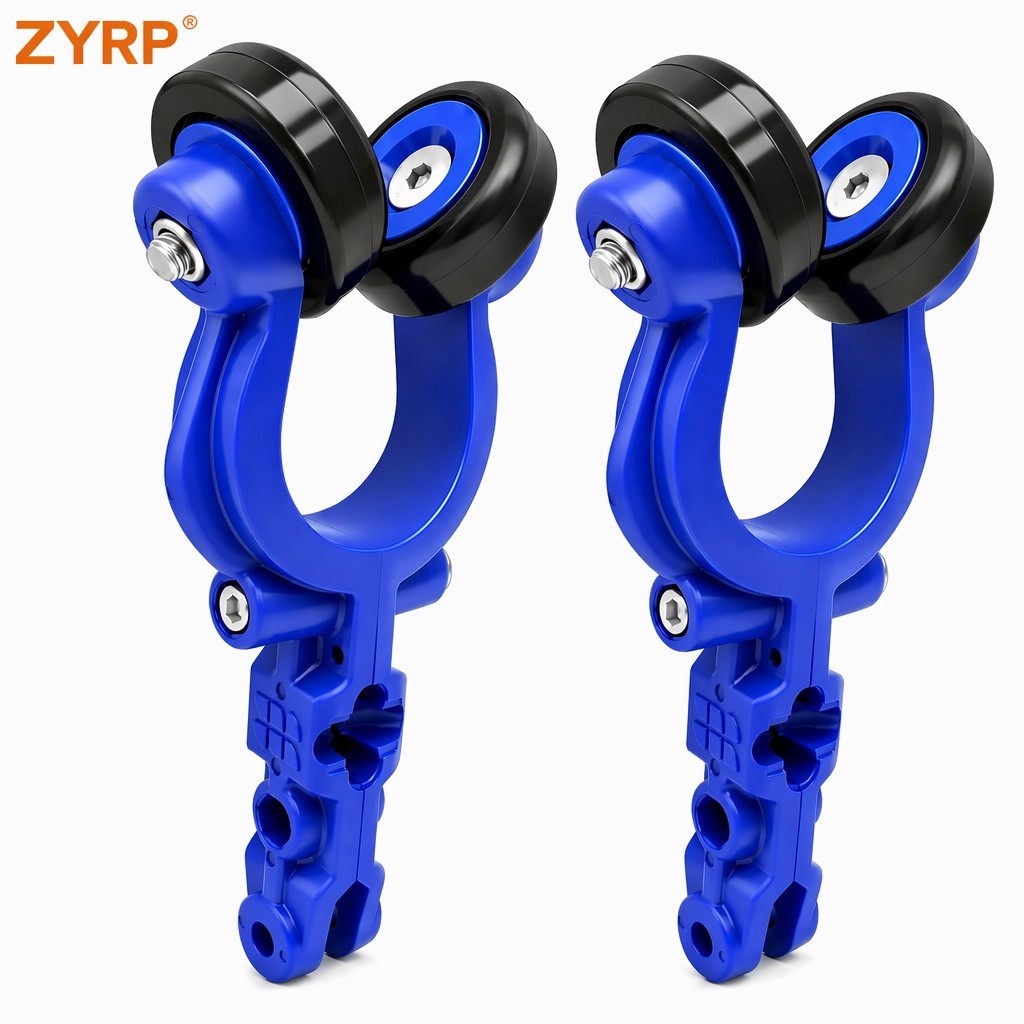
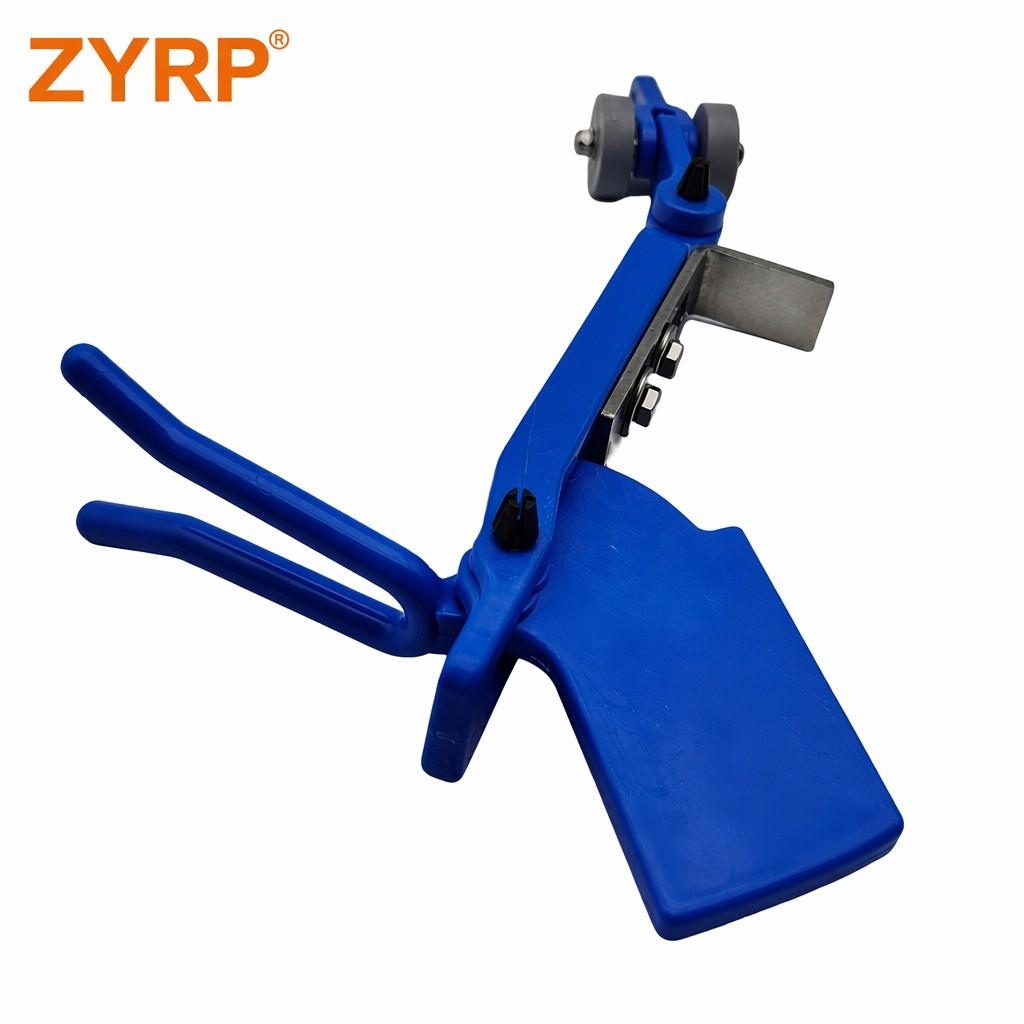
Selecting the right industrial machinery from a qualified plastic trolley OEM is a critical operational decision for modern material handling. Whether operating in food processing, pharmaceutical manufacturing, or high-throughput logistics, the reliability of your material handling hardware directly dictates daily plant efficiency, worker safety, and long-term operating overhead. Partnering with a proven plastic trolley OEM enables facilities to streamline internal logistics, eliminate unexpected downtime, and guarantee performance across continuous production cycles. Understanding the global manufacturing landscape ensures you select suppliers capable of delivering strict durability standards, custom engineering, and long-term technical support.
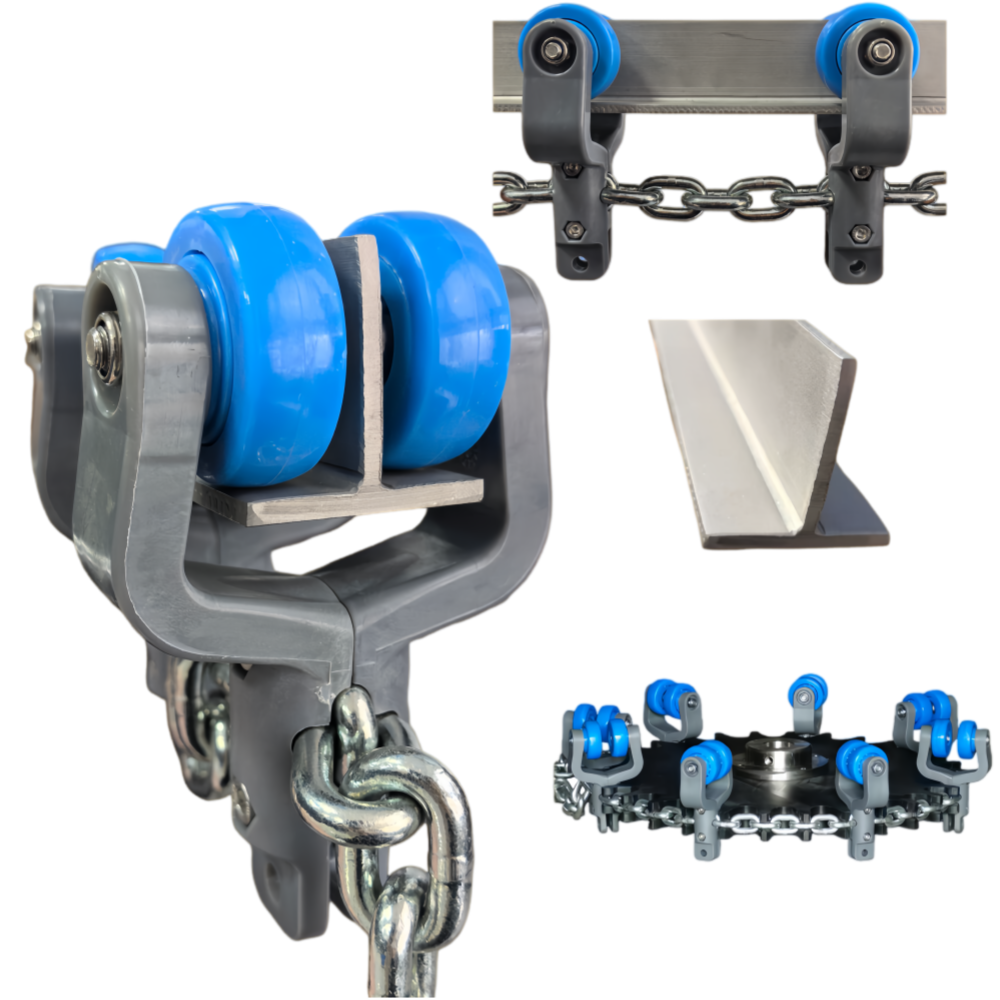
Executing a successful processing equipment sourcing strategy requires evaluating technical specifications, raw polymer purity, static and dynamic load limits, and manufacturer credentials. Direct manufacturing partners vary widely in design philosophy, production quality control, and customer service. By following a structured procurement framework, facility managers can mitigate supply chain risks, maintain regulatory compliance, and secure high-performance equipment aligned with facility budgets.
Units engineered by a professional plastic trolley OEM must incorporate specialized material properties to withstand harsh factory environments. Standard frame construction leverages high-density polyethylene (HDPE), polypropylene (PP), or high-impact engineering composites that naturally resist corrosion, caustic chemical washdowns, and thermal swings. Rated load capacities range from 100 kilograms for light sub-assembly movement up to 500 kilograms for heavy bulk material transport. Furthermore, heavy-duty casters and wheel bearings specified during processing equipment sourcing dictate maneuverability, operational noise reduction, and floor preservation.
Leading suppliers offer standard footprints alongside tailored configurations designed for specific production lines. Deploying a food-grade plastic trolley in meat or poultry plants requires strict adherence to hygiene protocols, precise integration with automated overhead conveyors, and balanced weight distribution. Selecting an experienced plastic trolley OEM guarantees that polymer formulations resist aggressive sanitizing agents and continuous hot-water washdowns without degrading or leaching. High-spec designs frequently include reinforced corner bumpers, integrated drainage channels, and non-porous surfaces that extend service life in high-moisture environments.
Reputable suppliers maintain certified quality management systems, such as ISO 9001, alongside food-contact compliance approvals. During a processing equipment sourcing review, audit the vendor's quality assurance routines, resin lot traceability, and independent stress test validation. A reliable plastic trolley OEM provides full technical datasheets, certified load capacities, and dimensional accuracy guarantees across every production run. These quality controls demonstrate manufacturer accountability and guarantee batch-to-batch consistency.
Distinct plant layouts and automated workflows often require a fully custom plastic trolley design. An established plastic trolley OEM offers engineering support to modify handle ergonomics, shelf heights, deck drainage, and caster locking systems to match your exact floor requirements. Lead times for standard units generally range from two to eight weeks, whereas developing a tailored custom plastic trolley requires additional engineering lead time for prototype testing and mold fabrication. Establishing clear lead time expectations with your supplier aligns procurement schedules with facility expansion milestones.
Before issuing a major purchase order, request complete structural test documentation from your plastic trolley OEM. A heavy-duty food-grade plastic trolley must undergo cycle fatigue testing, static overload verification, and dynamic drop testing that reflect actual plant abuse. The supplier should demonstrate that their frames maintain structural rigidity after thousands of loaded transport cycles. Dynamic stress analysis confirms that wheel mounts, axle welds, and frame handles operate safely without structural deflection or material fatigue.
Processing facilities face strict sanitary oversight, especially across food, beverage, and medical sectors. When conducting processing equipment sourcing, confirm that all polymer formulations meet FDA regulations for direct food contact or satisfy HACCP hygiene guidelines. Environmental compliance also involves verifying material recyclability and resistance to aggressive sanitation chemicals. Working with a compliant plastic trolley OEM simplifies external regulatory audits and protects your facility against contamination liabilities.
The initial purchase price represents only a fraction of equipment lifecycle costs. Structural durability, repair frequency, spare caster availability, and replacement schedules govern long-term ROI. Choosing a certified plastic trolley OEM offering comprehensive warranty coverage and long-term spare parts support reduces total lifecycle expenses. When evaluating vendor quotations, calculate expected maintenance intervals and request reference performance data from comparable processing facilities.
Building a direct relationship with a reliable plastic trolley OEM strengthens your ability to scale operations, resolve unexpected maintenance challenges, and integrate future hardware innovations. A committed manufacturing partner offers volume discounts, priority production slots, and engineering collaboration for future custom plastic trolley builds. Maintaining direct communication channels with your plastic trolley OEM ensures continuous operational efficiency and lowers total material handling costs across your facility.
For food environments, select a food-grade plastic trolley molded from virgin polyethylene or polypropylene meeting FDA CFR 177 standards. The non-porous surface prevents bacterial absorption and tolerates high-temperature sanitation cycles. Verify that your plastic trolley OEM provides NSF or equivalent food safety documentation.
Assess maximum batch weights and select a model with a rated capacity at least 25 percent above peak daily loads. Your plastic trolley OEM should supply both static and dynamic load ratings for proper weight distribution across decks. Testing a custom plastic trolley prototype under live conditions validates loaded maneuverability.
A reputable plastic trolley OEM provides a two-to-five-year structural warranty covering material defects. Your supplier should maintain an active spare parts inventory, provide technical troubleshooting, and offer fast repair turnarounds to protect your processing equipment sourcing investment.
 Hot News
2026-08-12
2026-08-12
2026-08-12
2026-08-12
2026-08-12
2026-08-12
Hebei Zunyan Technology provides high-quality poultry processing spare parts for global meat processors. Our stainless steel & plastic eviscerating shackles, chains, and custom CNC components ensure durability, precision, and fast dispatch. 30+ production lines, ISO-aligned quality, 48h shipping. Request quote today.
1901, Unit C19, Tongrui Business Building, Changjiang Sub-district, Yuhua District, Shijiazhuang City, Hebei Province, China
Copyright © 2026 Hebei Zunyan Technology Co., Ltd. All Rights Reserved Privacy Policy
 EN
EN