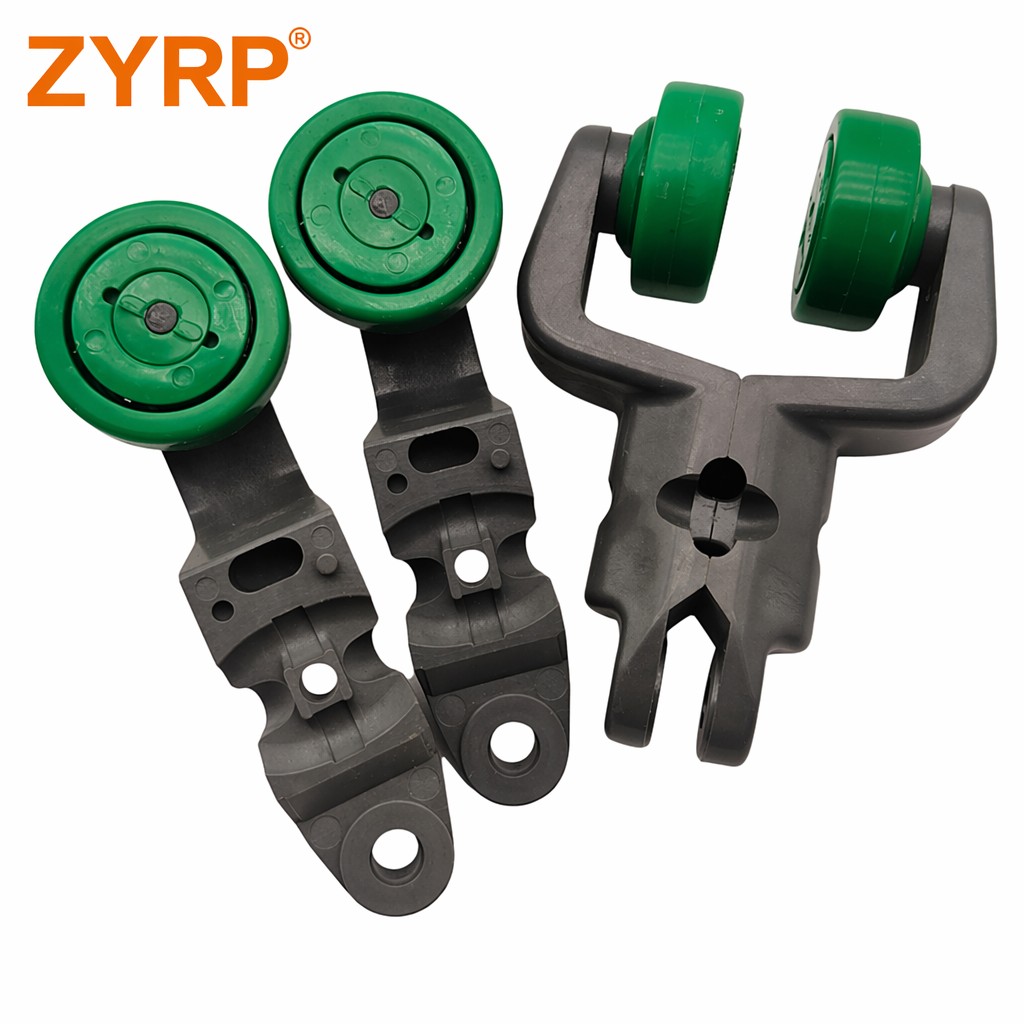
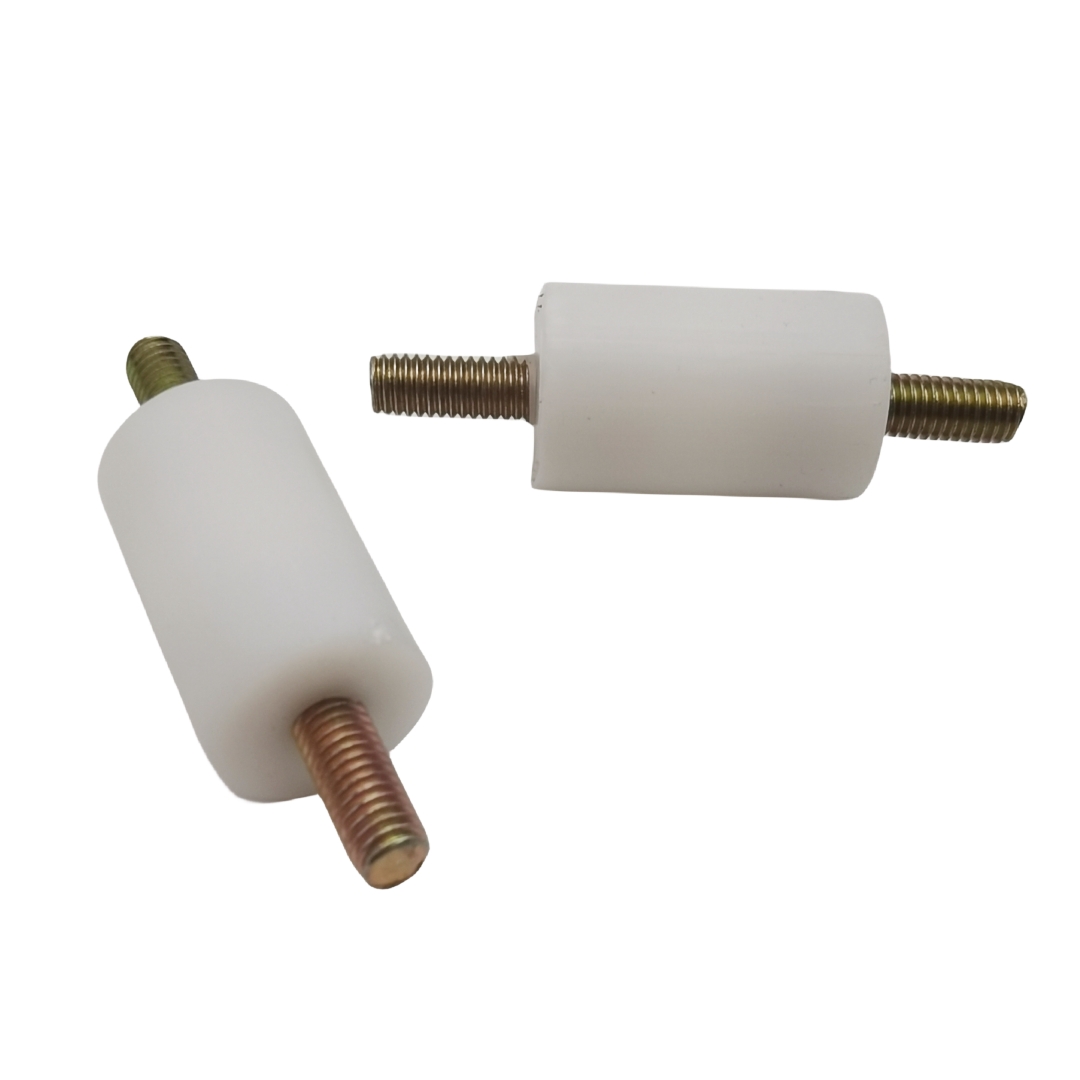
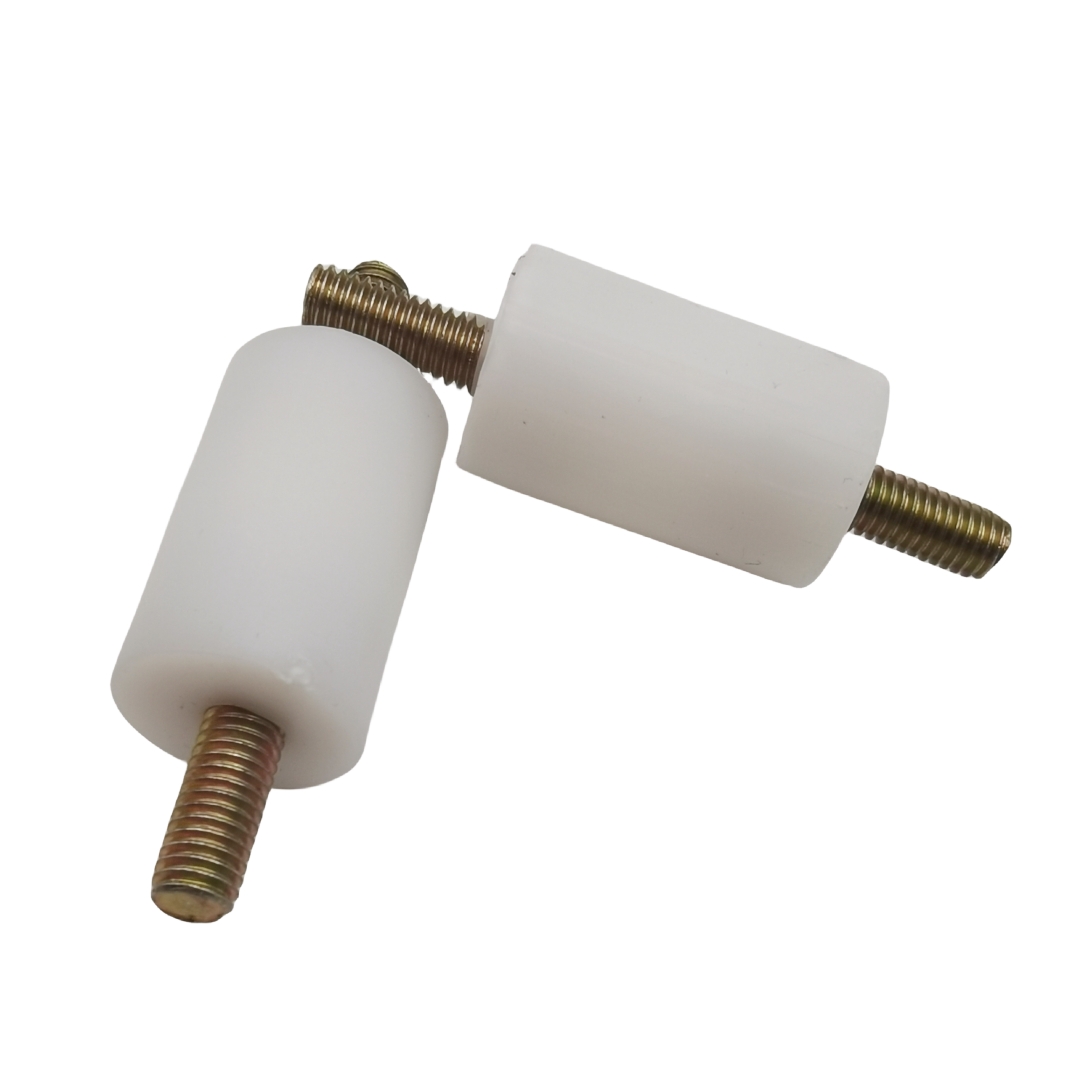
plastic molded components
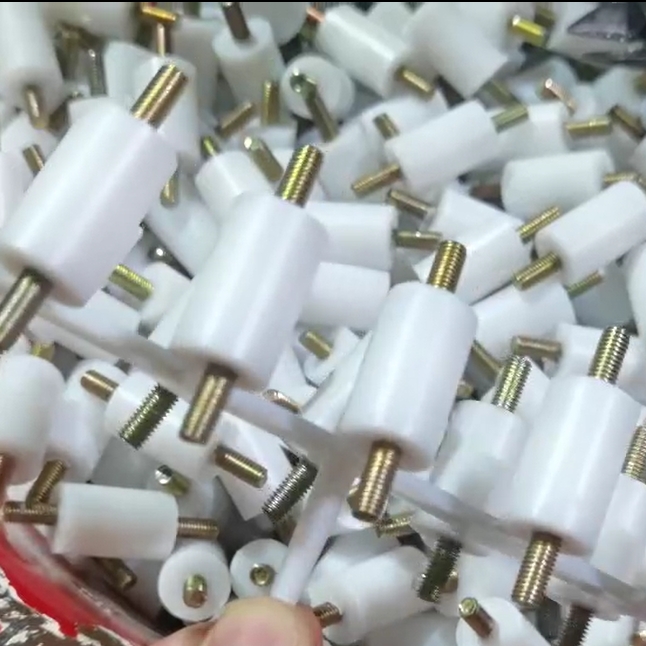
Plastic molded components represent a versatile manufacturing solution that combines precision engineering with cost-effective production. These components are created through injection molding, compression molding, or blow molding techniques, delivering consistent quality across high-volume manufacturing runs. Plastic molded components serve as essential building blocks across numerous industries, from automotive and consumer electronics to medical devices and industrial equipment.
The primary function of plastic molded components is to provide durable, lightweight alternatives to traditional metal or ceramic parts. They offer dimensional accuracy, complex geometry capabilities, and repeatable production consistency. Plastic molded components integrate seamlessly into assembly lines, reducing overall product weight while maintaining structural integrity.
Technologically, plastic molded components leverage advanced material science, utilizing thermoplastics, thermosets, and elastomers to meet specific performance requirements. Modern plastic molded components incorporate reinforced fibers, additives for flame resistance, UV stability, and chemical resistance. Computer-aided design and precision tooling ensure that plastic molded components meet tight tolerances and functional specifications.
Applications for plastic molded components span diverse sectors. In automotive manufacturing, they reduce vehicle weight, improving fuel efficiency. Consumer electronics rely on plastic molded components for housings, connectors, and mechanical structures. Medical industries depend on biocompatible plastic molded components for device casings and sterile components. Industrial applications utilize plastic molded components for fluid handling, vibration damping, and protective barriers. The versatility of plastic molded components makes them indispensable in modern manufacturing ecosystems.

 EN